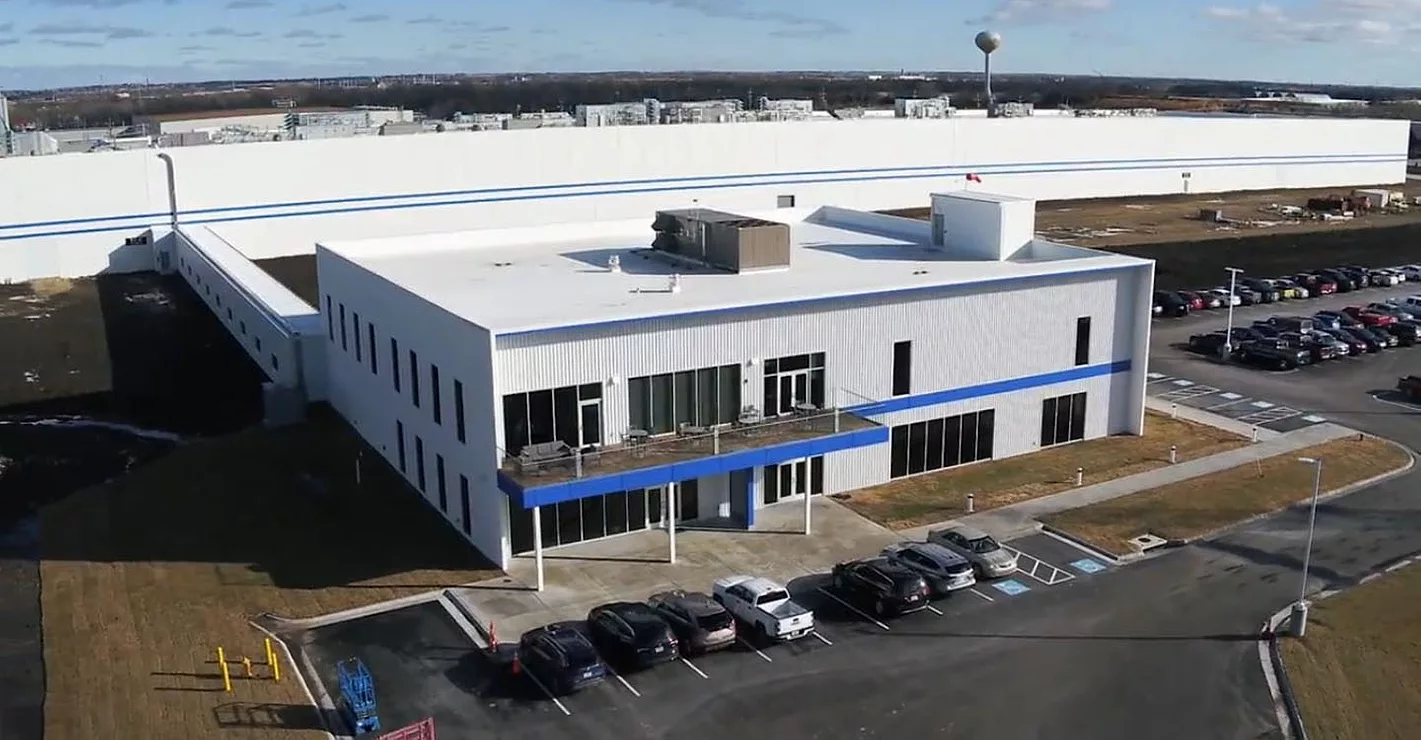
Plant of the Year embraces best practices, technological innovation
Respect for the integrity of the process-how livestock is handled, how workers are treated, which plant practices are deployed-is part of the company's operating ethic. The latter two principals were key considerations when the 66-year-old firm planned a $26 million plant expansion and upgrade project.
"Best practices, not faddish trends, drive plant innovation at this Pennsylvania poultry processor," said Joyce Fassl, Food Engineering's editor in chief, as she presented the award to Scott Sechler, CEO and owner of Bell & Evans.
Production yield took a backseat to product improvement as Bell & Evans implemented changes to raise value to a higher level. The centerpiece of the project is a multi-phase air-chill system to replace conventional immersion chilling. Sechler began planning this project two decades ago. He visited operations with air-chill systems throughout Europe, learning the technology's potential and limitations and how it could be improved.
Sechler's latest project is to eliminate the use of chlorine, an initiative that requires altering staff mindsets that view chemical sanitation as a requirement. Ozonated water and steam cleaning are among the alternative tools being deployed.
Looking for a reprint of this article?
From high-res PDFs to custom plaques, order your copy today!