Is HACCP for packaging in your future?

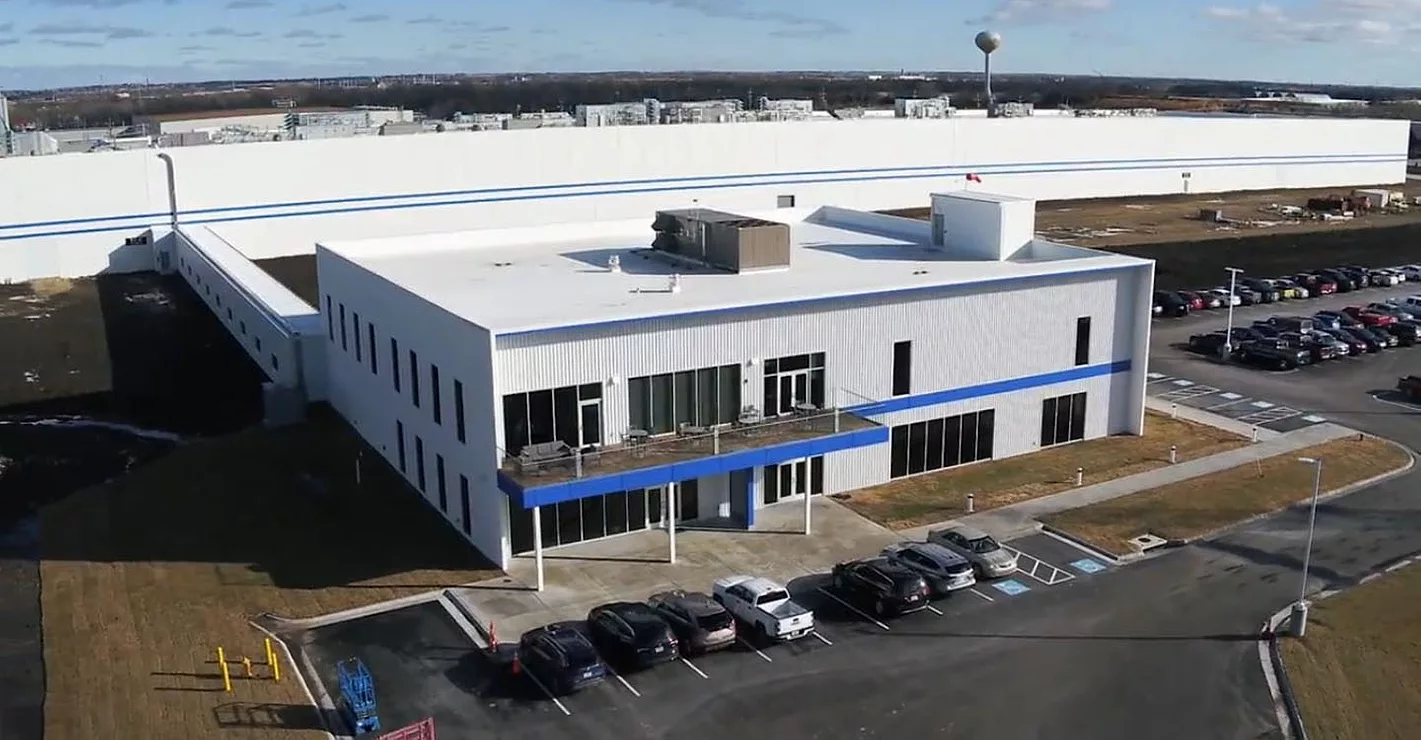
HACCP guidelines for packaging are becoming increasingly important throughout the US and Canada. Shown here is a Kerry Foods plant in Ste-Claire, Quebec. Source: Tetra Pak.
According to Larry Dworkin, PAC government relations director, PACsecure provides an educational program in Canada through consulting organizations to bring packers up to speed on HACCP procedures for packaging.
In the US, the Food Safety Alliance for Packaging (FSAP) consists of food processors such as Kraft, General Mills, Kellogg, Campbell Soup, Nestlé and Sara Lee, as well as PAC and other trade associations, packaging product and equipment suppliers and third-party training organizations. FSAP’s purpose is to create food safety awareness and provide HACCP training through third-party trainers.
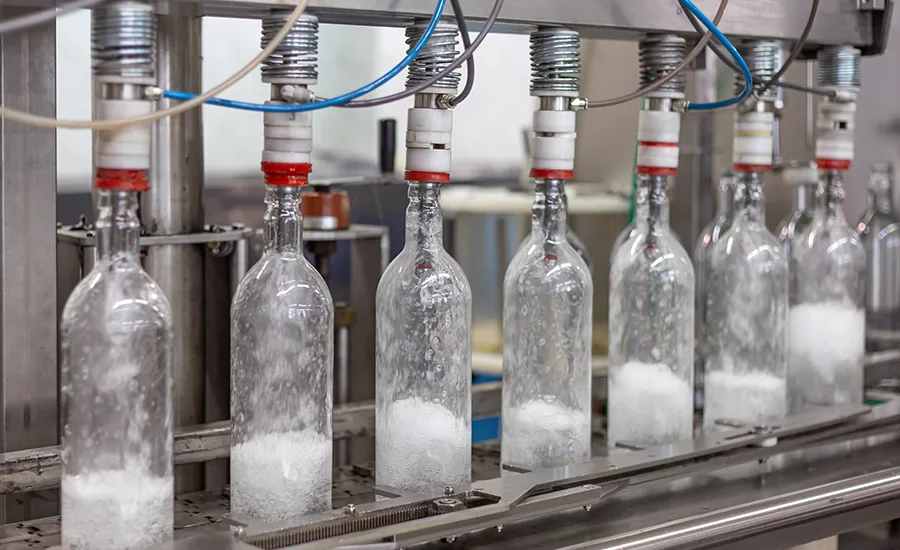
According to FSAP Chairman Wynn Wiksell, besides the packaging categories noted in the PACsecure model, HACCP-based models will also include cut and stack labels, composite cans and potentially others in 2009. HACCP models for packaging define three risk areas: chemical (e.g., undeclared allergen or mixed-copy labels), microbiological (leaking containers, microbiological contamination) and physical (glass/metal/foreign materials). These HACCP models provide packaging suppliers and packagers with tools to control these risks.
HACCP-based principles are a basic part of food safety in plant processing areas, and can be readily applied to food packaging. Recent FDA recalls are mostly due to allergens and mixing but also include food with foreign materials (plastic pieces, glass and metal chards) and contaminated food with bulging and leaking containers.
“Food safety is not a competitive advantage,” says Wiksell. “If you supply packaging equipment or materials to the food industry, you are no longer a part of the packaging industry; you are a part of the food industry.”
For more information on FSAP, visit www.foodsafetyallianceforpackaging.com.
Looking for a reprint of this article?
From high-res PDFs to custom plaques, order your copy today!