Citrus with appeal
Operation converts 100% of orange and other citrus peels to useful products.
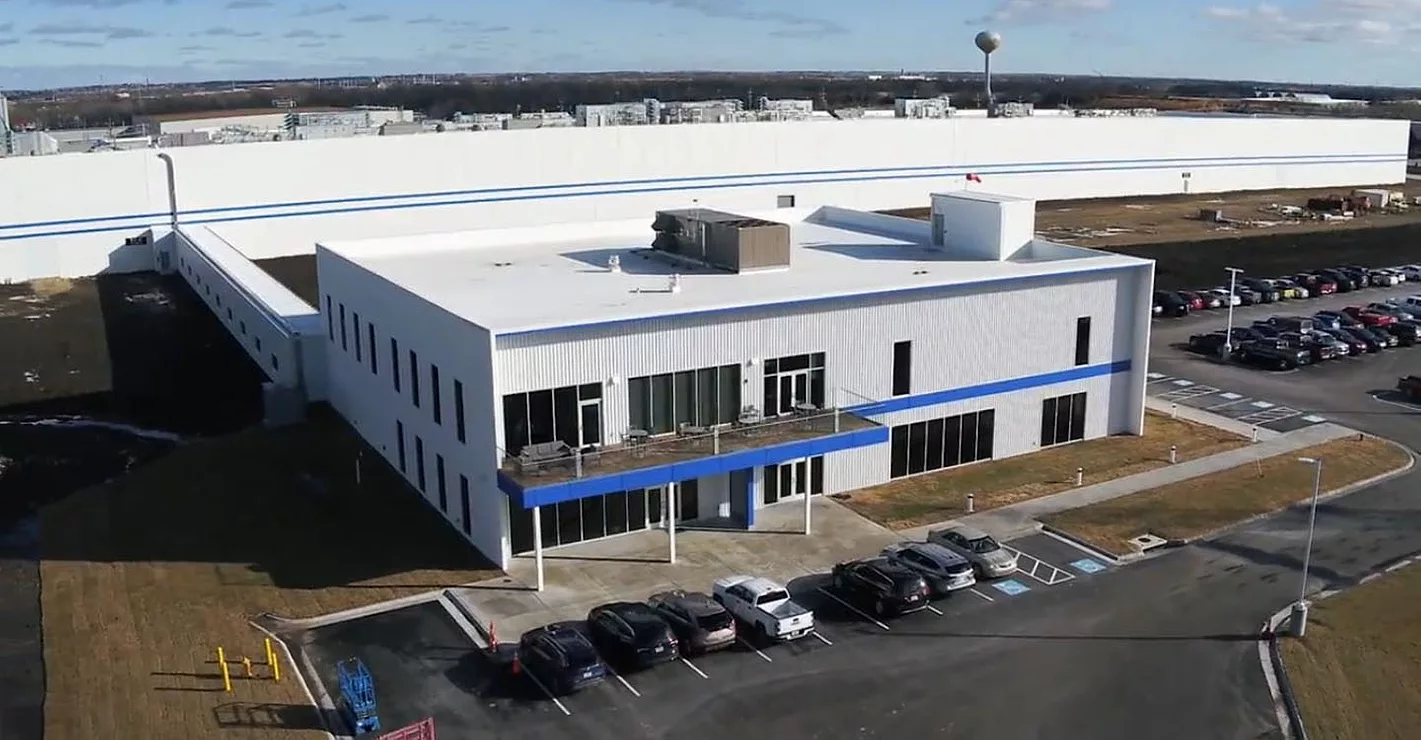
 Natural Citrus Products Corp. (NCPC) installed a 16,000 sq.-ft. citrus peel processing facility in a leased site in LaBelle, FL, in conjunction with one of Florida’s oldest citrus process companies, DUDA Products Inc. Once considered at best feed for livestock, orange and other citrus peel wastes are finding new applications in food and other products, thanks to unique processes NCPC employs to convert the peels into oils, sugars, fibers, flours, absorbents and other products. Not only is there no waste, but there are no process waste streams such as air, water or solid pollutants.
According to NCPC President Robert Jones, “Our patent-pending process converts citrus peel into multiple food use products and additives such as food grade cold press oil, d-limonene, citrus peel sugar (molasses), citrus peel water, a high-fiber/high-antioxidant/high-pectin citrus peel mass (pectin pomace) and seeds.” The dried-peel mass, having nearly all the sugars and oils removed, is used to add nutritional/functional food use to baked goods including gluten-free bread, sauces, smoothies, analog meat products, nutraceutical applications and many others.
Without using any chemicals, NCPC deseeds the juice-extracted peel and removes the oil and sugar by a patented thermal/mechanical process. The peel oil/sugar/water emulsion is separated into oils, sugar concentrate and evaporative water by a standard TASTE (thermally accelerated short term evaporation) evaporator, while the spent peel mass is dried by a CPM Wolverine-Proctor Jetzone fluid-bed dryer and then milled into “flour-sized” particulates for many uses.
Wolverine-Proctor dryers are no strangers to Jones. “I happened to be one of the fortunate engineers at Post Cereals [in 1976] in Battle Creek, MI, who installed the first fluid-bed cereal dryer, which is now the industry standard,” says Jones. “I knew that a fluid bed dryer would be the answer to dry and create a high-quality, functional food product for human use from the processed citrus peel system I developed, and the Jetzone dryer has proven to be that equipment,” he adds.
Jones began by installing a stainless steel, steam-coil-fired fluidized dryer and is converting it into a propane-fired dryer to increase output and decrease operational costs. He has two large dryer bodies and has installed one so far to get the drying curves established and acquire performance criteria. The results have been outstanding. Jones says, “There has never been citrus peel dried by fluid-bed technology; the efficiency, product control and end-product use from fluid-bed drying are far superior to any other technologies being used in the citrus industry today.”
When asked what obstacles he had to overcome in the process, Jones replied, “The obstacles were many, of course. The main hurdles were how to ‘de-sugar and de-oil’ the peel mass without the use of chemicals and get the resultant ‘peel cake’ product low enough in moisture and density so the Jetzone could fluidize the processed peel cake and dry it at high speed, which it does very well.”
For more information: Terry Midden, CPM Wolverine Proctor, 336-248-5181, middent@cpmwolverineproctor.com.
Top left: Citrus peel enters NCPC from DUDA. Top right: Press cake emerges from de-seeding, de-oiling and de-sugaring on its way to drying. Bottom left: Final dried product emerges from the Wolverine Proctor Jetzone dryer and will be ground to desired consistency. Bottom right: CitraFiber is stored and shipped in 1,300-lb super sacks. Source: NCPC.
According to NCPC President Robert Jones, “Our patent-pending process converts citrus peel into multiple food use products and additives such as food grade cold press oil, d-limonene, citrus peel sugar (molasses), citrus peel water, a high-fiber/high-antioxidant/high-pectin citrus peel mass (pectin pomace) and seeds.” The dried-peel mass, having nearly all the sugars and oils removed, is used to add nutritional/functional food use to baked goods including gluten-free bread, sauces, smoothies, analog meat products, nutraceutical applications and many others.
Without using any chemicals, NCPC deseeds the juice-extracted peel and removes the oil and sugar by a patented thermal/mechanical process. The peel oil/sugar/water emulsion is separated into oils, sugar concentrate and evaporative water by a standard TASTE (thermally accelerated short term evaporation) evaporator, while the spent peel mass is dried by a CPM Wolverine-Proctor Jetzone fluid-bed dryer and then milled into “flour-sized” particulates for many uses.
Wolverine-Proctor dryers are no strangers to Jones. “I happened to be one of the fortunate engineers at Post Cereals [in 1976] in Battle Creek, MI, who installed the first fluid-bed cereal dryer, which is now the industry standard,” says Jones. “I knew that a fluid bed dryer would be the answer to dry and create a high-quality, functional food product for human use from the processed citrus peel system I developed, and the Jetzone dryer has proven to be that equipment,” he adds.
Jones began by installing a stainless steel, steam-coil-fired fluidized dryer and is converting it into a propane-fired dryer to increase output and decrease operational costs. He has two large dryer bodies and has installed one so far to get the drying curves established and acquire performance criteria. The results have been outstanding. Jones says, “There has never been citrus peel dried by fluid-bed technology; the efficiency, product control and end-product use from fluid-bed drying are far superior to any other technologies being used in the citrus industry today.”
When asked what obstacles he had to overcome in the process, Jones replied, “The obstacles were many, of course. The main hurdles were how to ‘de-sugar and de-oil’ the peel mass without the use of chemicals and get the resultant ‘peel cake’ product low enough in moisture and density so the Jetzone could fluidize the processed peel cake and dry it at high speed, which it does very well.”
For more information: Terry Midden, CPM Wolverine Proctor, 336-248-5181, middent@cpmwolverineproctor.com.
Looking for a reprint of this article?
From high-res PDFs to custom plaques, order your copy today!