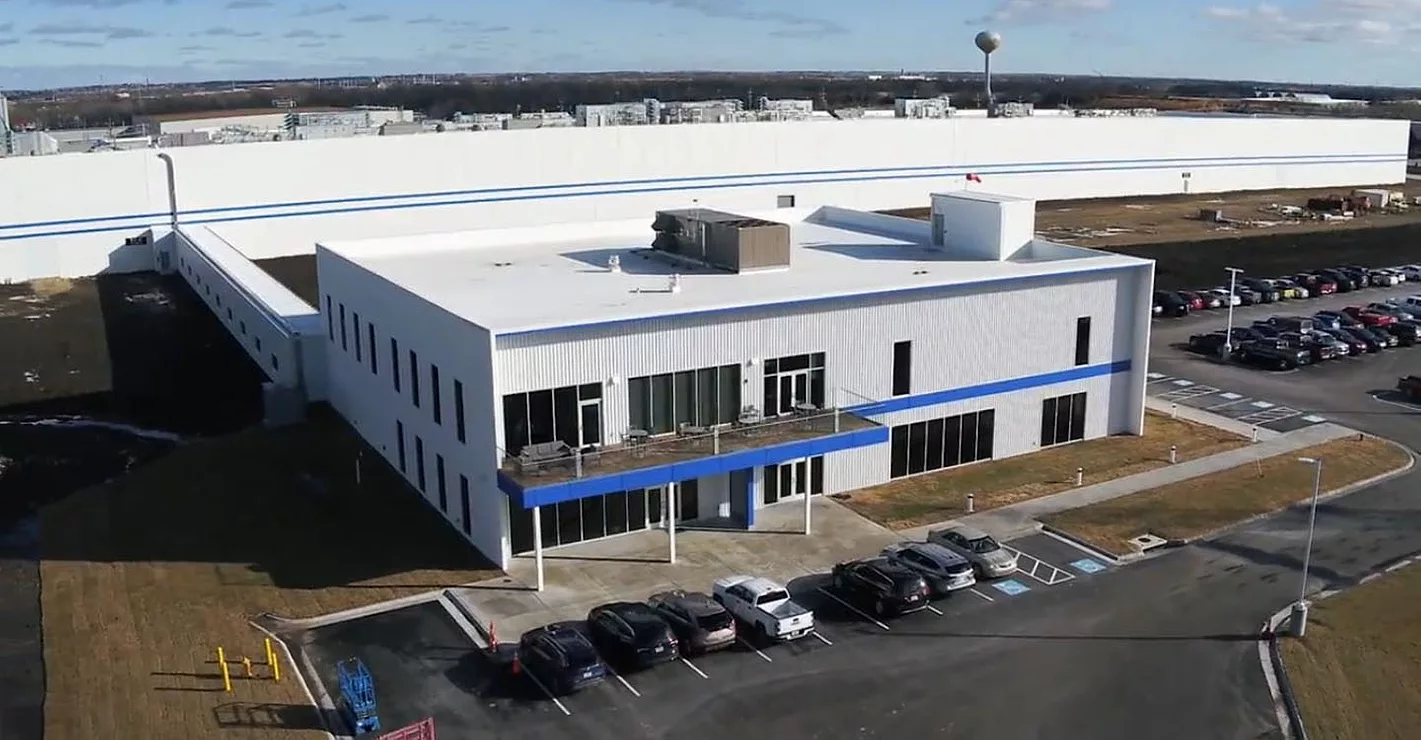
New plant changes earth-friendly packaging dynamics
The polylactide (PLA)-producing plant, owned jointly by Dow Chemical and grain giant Cargill, came on line last month. The $360 million project is expected to output 300 million pounds of NatureWorks PLA next year. By comparison, the partnership's Savage, Minn., production facility maxed out at 12 million pounds, a level that left PLA in the novelty category.
The quantum capacity increase will lower prices enough to make the polymer a mainstream product, predicts James Hobbs, Cargill Dow's commercial director for packaging. PLA will be priced at the high end of the resin spectrum, so the company is promoting the green-marketing advantage directly to food companies and other packagers, rather than sell through converters.
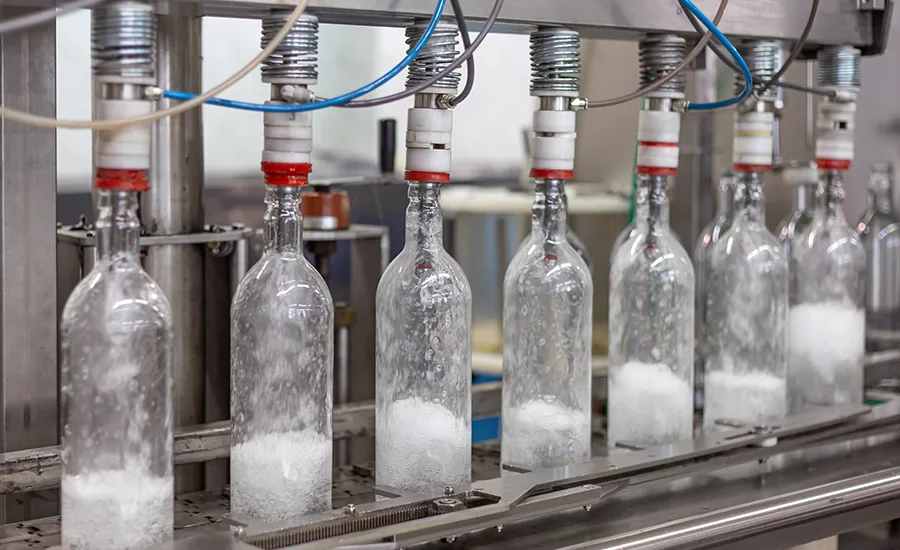
PLA does not perform well with high temperatures, and its moisture- and oxygen-barrier properties are limited. On the other hand, it creates films and rigid containers with exceptional clarity and gloss, and its stiffness and dead-fold characteristics make it attractive to food manufacturers. "All of the organics and a lot of the mainstream guys are interested in this," Hobbs says.
A European maker of hard candy is using PLA for food packaging, and Sony mini-disks are the first of 61 Japanese products approved to carry Japan's GreenPla symbol on packaging made from NatureWorks.
For more information, Product 202
Looking for a reprint of this article?
From high-res PDFs to custom plaques, order your copy today!