TECH FLASH
Beef processor victim of mass media’s power
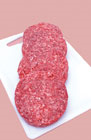 For several days—and often consecutive nights of reporting—various media outlets reported on the seeming negatives of boneless lean beef trimmings (BLBT) as produced by Beef Products Incorporated (BPI). Most of the reporting centered around the term, “pink slime,” which was given to BLBT by Gerald Zirnstein, a former USDA FSIS microbiologist.
According to AMI President J. Patrick Boyle, “Boneless lean beef trimmings (BLBT) is a safe, wholesome and nutritious form of beef that is made by separating lean beef from fat. To make the product, beef companies use beef trimmings, the small cuts of beef that remain when larger cuts are trimmed down. These trimmings are USDA inspected, wholesome cuts of beef that contain both fat and lean and are nearly impossible to separate using a knife. When these trimmings are processed, the process separates the fat away, and the end result is nutritious, lean beef. It’s a process similar to separating cream from milk.”
According to a description of BPI’s process from its 2008 website, “selected trimmings are transported by conveyor to a material accumulator, which feeds into a de-sinewing device. Here, virtually all non-functional protein is removed, including cartilage, sinew, connective tissue or bone chips.” According to the 2008 document, the trim is then tempered (heated slightly) to facilitate the separation of lean from fat by centrifugal force. Resultant meat product is typically 94 percent lean. After the centrifuge step, the resultant protein is treated with a pH enhancement process that forms ammonium hydroxide in the finished product. Ammonium hydroxide was approved by USDA and FDA a couple of decades ago and is used in several foods including baked goods, cheeses, gelatins and puddings. The ammonium hydroxide process is said to eliminate E. coli O157:H7 and significantly reduce other pathogens such as Listeria and Salmonella.
While most of the popular news has been dedicated to oversimplification and scare tactics, BPI’s intention to produce an E. coli-free product is noteworthy. Nancy Donley, whose child, Alex, died at age six in 1993 from hemolytic uremic syndrome (HUS) caused by eating E. coli O157:H7-contaminated ground beef, sees the media campaign as a threat to innovation. “I am very concerned that mis-categorization campaigns such as this ‘pink slime’ campaign will cause well-intentioned companies such as BPI to cease innovations for developing better food safety technologies and strategies. Why try to do something better only to get set up as a target?” Nancy Donley is STOP Foodborne Illness president and spokeswoman.
On March 26, AMI’s Boyle provided an update to this ongoing story. “Today, a three-week war waged on a beef product called lean finely textured beef [aka BLBT] came to a painful head as hundreds of people lost their jobs when one of the primary processors shuttered three plants.”
According to Eldon Roth, BPI founder, in more than 30 years of production, BPI has never had a foodborne illness associated with its BLBT product.
Looking for a reprint of this article?
From high-res PDFs to custom plaques, order your copy today!