Cracking the Corn for Ethanol
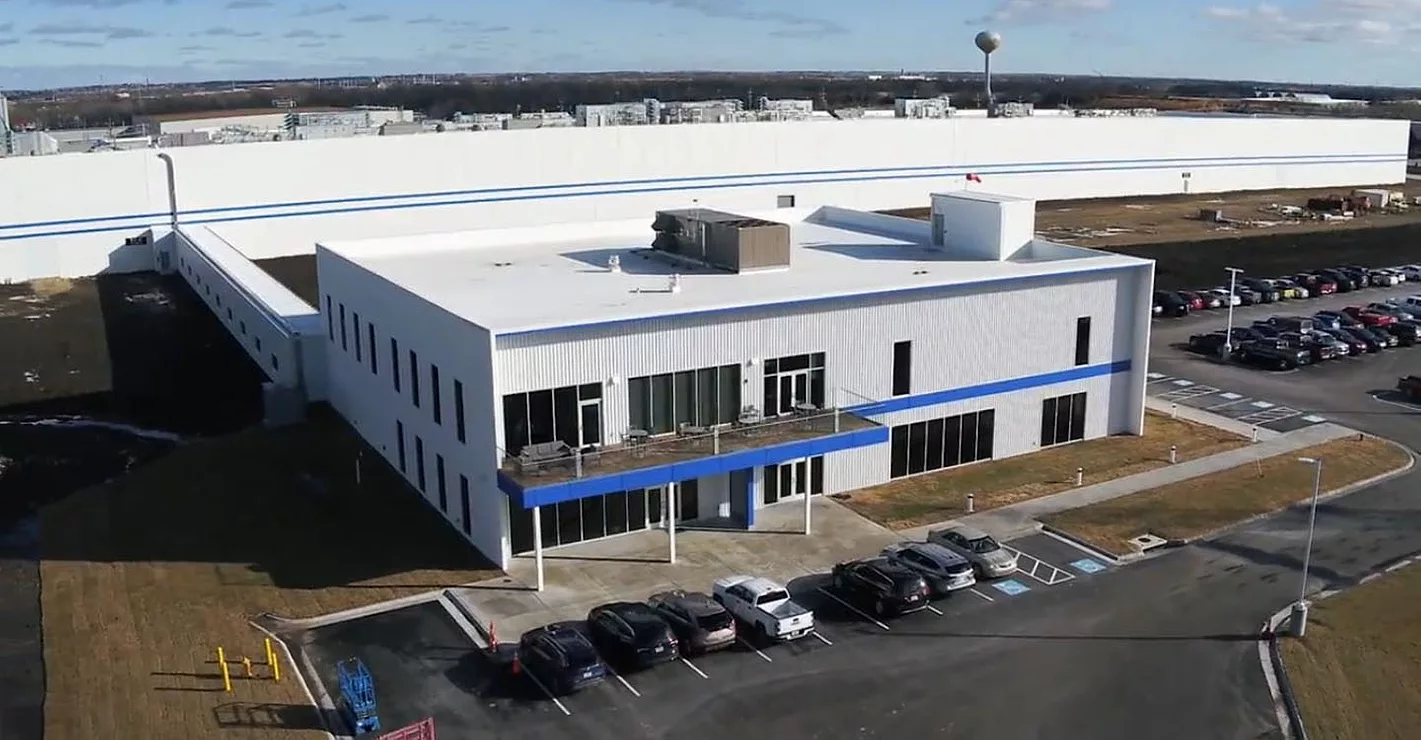
According to Bill Becker, CEO of LifeLine Foods (a cooperative of about 700 independent grain producers in Iowa, Kansas, Missouri and Nebraska), LifeLine’s dry fractionation process separates the parts of the corn kernel, based on application, unlike several plants employing older technology that simply uses the entire kernel for ethanol production. LifeLine, a food ingredient processor for more than six years, began operation of its St. Joseph, MO ethanol plant in October 2007.
“In this particular business model,” says Becker, “we’re trying to take into account the maximum utilization of the kernel. The hard endosperm [outer, darker yellow portion] is used for our food customers and accounts for about 50-55% of the kernel. The softer endosperm [softer starches], which used to be sold as a low-value product, is now converted to ethanol. We separate the bran [outer coating], and it is used for gasification to heat an environmentally friendly burner to create steam, which helps generate energy to run the plant and produce ethanol.” Becker has seen natural gas requirements shrink by 50% with this technology, and expects that in the future this model may be self-sustaining.
Becker says a bushel of corn produces from 2.65 to 2.8 gallons of ethanol. In addition, under current technology, an acre of corn will also produce about half the oil an acre of soybeans does. What is exciting to Becker is the research currently going on with LifeLine’s onsite partner, ICM (which owns a 49% share of LifeLine), and various seed production companies that shows new biotechnologies may increase corn oil output even more. Harvesting about half of the corn stalk at the time of grain harvest will provide a source of cellulosic ethanol, adding even more ethanol output per acre of corn.
Are we short on corn? Becker says the ethanol industry created a demand for about 900 million more bushels of corn last year, and agriculture responded by producing 3 billion more bushels. This is why the USDA is currently predicting a major increase in corn supplies and carryover to next year.
Looking for a reprint of this article?
From high-res PDFs to custom plaques, order your copy today!