Field Reports: Juice maker squeezes more out of its inventory

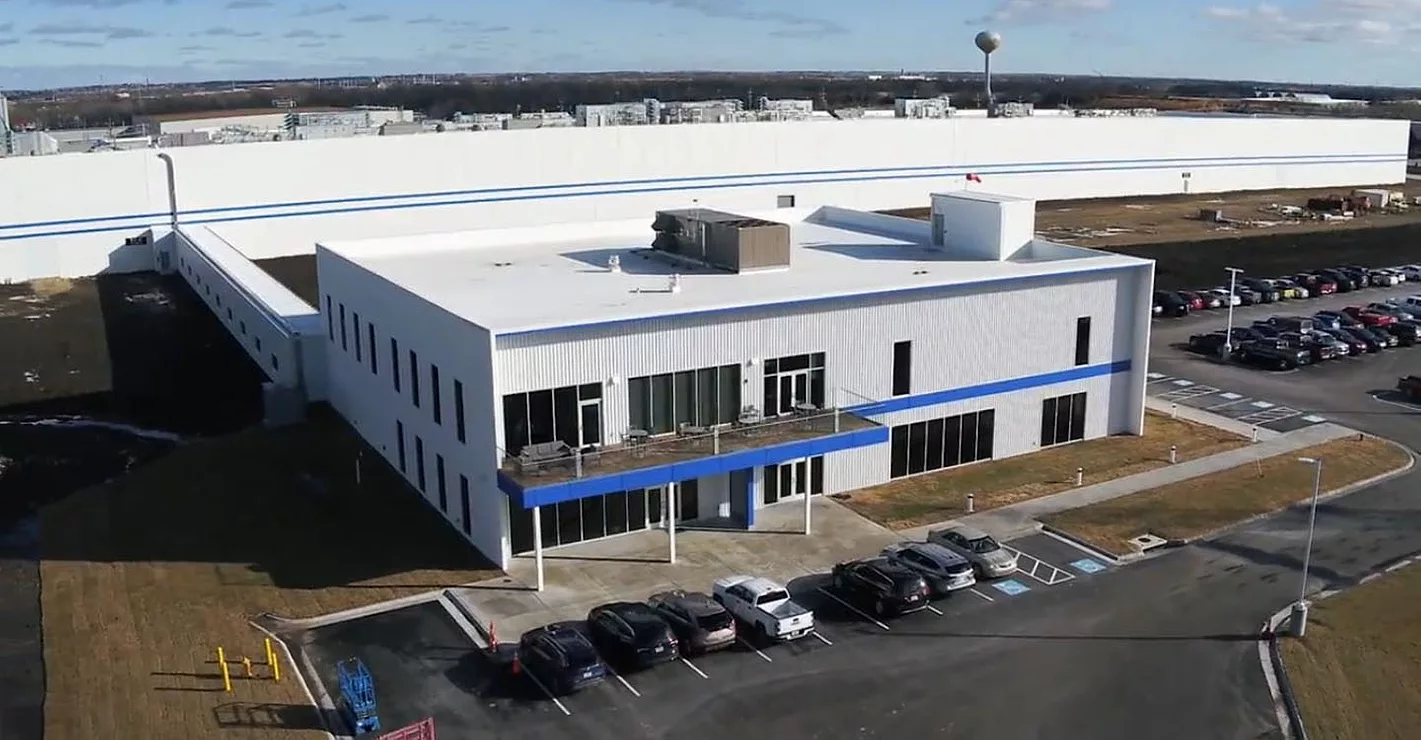
TROPICANA, A $2 BILLION BUSINESS UNIT OF PepsiCo, is the third biggest-selling brand in grocery stores today, accounting for about 25% of all orange juice sold in the US. Headquartered in Bradenton, FL, Tropicana maintains several company-owned manufacturing facilities and distribution centers, a regional center operated by a third party, and a number of co-pack locations across the U.S. These facilities can process more than 50 million oranges a day.
Getting the forecast right means hitting targets and keeping customers happy. Getting it wrong can be expensive and embarrassing. If shortages occur, Tropicana is forced to ship by truck, increasing the cost of each case by 50 cents.
Tropicana developed weekly forecasts for about 1,500 line items. With highly perishable product and sales volume that varied by day, Tropicana analysts couldn’t simply forecast on a weekly basis, and then divide evenly. “We needed to look at it on a daily basis,” says Bob Burroughs, manager of electronic data interchange and customer replenishment planning. “For example, we had to know that 30% should go on Thursday, 40% on Friday.”
Tropicana wanted to work with individual customers to both improve forecast accuracy and provide meaningful information to the customers. Because the juice processor was driving customer-specific replenishment plans, Burroughs says that Tropicana analysts had to learn the ins and outs of each individual customer. Burroughs says that the analysts became “almost an employee” of their customers. “We took the time to do that. Everybody’s different; you really had to understand how your customers operated.”
A key to improving forecast accuracy was Tropicana’s ability to improve exception management. After establishing its objectives and evaluating alternatives, Tropicana selected Prescient Systems’ Demand Planning Solution.
The solution let Tropicana’s planners do their work based on user-defined exceptions: when the actuals come in and planners spot anomalies, they can still manage their forecasts.
For individual customers, Tropicana wanted reports offering an unprecedented level of forecast detail. “You could report in many different ways,” says Burroughs, “either by cases or by dollar value.”
“In addition to better forecasts and fewer product dumps, the results include reduced inventory, maintenance of high customer service levels, greater stability in manufacturing schedules, and reduced transportation costs, said Rosanne Megrath, Tropicana’s director of customer logistics.
Tropicana measured its results for individual key customers and in total. For Tropicana, significant improvements included:
- Average absolute weekly forecast error rates dropped from 40-45% to 18-23%
- Inventory turn increased by 27%
- Weekly inventory was reduced by 20%
- Service level increased 3%
- Lead time reduced 35%
- Product dumps were reduced from tens of millions to hundreds of thousands.
For more information:
Kelly Vizzini, (610) 719-1600, kvizzini@prescientsystems.com. Write in 400
Looking for a reprint of this article?
From high-res PDFs to custom plaques, order your copy today!