No winter recess for costly recalls in 2010
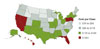
Typical medical costs from a case of foodborne illness range from $78 in Montana to $162 in New Jersey. Source: Produce Safety Project/The Pew Charitable Trusts.
A new study authored by former FDA economist Robert L. Scharff estimates the total economic impact of foodborne illness in the US to be $152 billion annually. The Produce Safety Project (PSP), an initiative of The Pew Charitable Trusts at Georgetown University, published the report, Health-Related Costs from Foodborne Illness in the United States.
The report ranks states according to their total quality of life costs related to foodborne illness and medical costs per case, which averages $1,850 per person nationwide. CDC estimates that 76 million new cases of food-related illness, resulting in 5,000 deaths and 325,000 hospitalizations, occur annually in the US.
While the costs in the study reflect medical costs and losses to quality of life, they do not reflect the business cost of the recalls themselves: lost product, lawsuits, customer disloyalty and brand and company losses. Whether processors are more careless, detection is getting better or dissemination of information is faster, outbreaks and recalls did not take a winter recess.
Basic Food Flavors Inc. of Las Vegas, NV, recalled its flavor enhancer, hydrolyzed vegetable protein (HVP), because it may be contaminated with Salmonella Tennessee. The contamination was reported through FDA’s new Reportable Food Registry. As of March 8, no one has reported being sick from foods containing HVP - although several dozen products that use HVP as in ingredient in Canada and the US have been recalled. As of March 6, the count in the US totaled 94 products.
In January, CDC reported people in 15 states were infected with E. coliO157:H7, which was traced to beef products from National Steak and Poultry. The infections were reported over a period beginning October 1, 2009 through January 4. Additional E. coli recalls between January and March of this year include Huntington Meat Packaging, Montebello, CA, recalling 864,000 lb of beef products; West Missouri Beef LLC, Rockville, MO, 14,000 lbs and Randolph Packaging, Asheboro, NC, 96,000 lb.
For more information on the PSP study, visit www.MakeOurFoodSafe.org.
Looking for a reprint of this article?
From high-res PDFs to custom plaques, order your copy today!