If you don't measure it, you can't control it

The goal of the directive was for pharma to consistently get batches right, with less FDA oversight, less reliance on post-production quality inspection and less testing. While the right dose with the right efficacy is important, pharma has derived another major benefit from the directive-control.
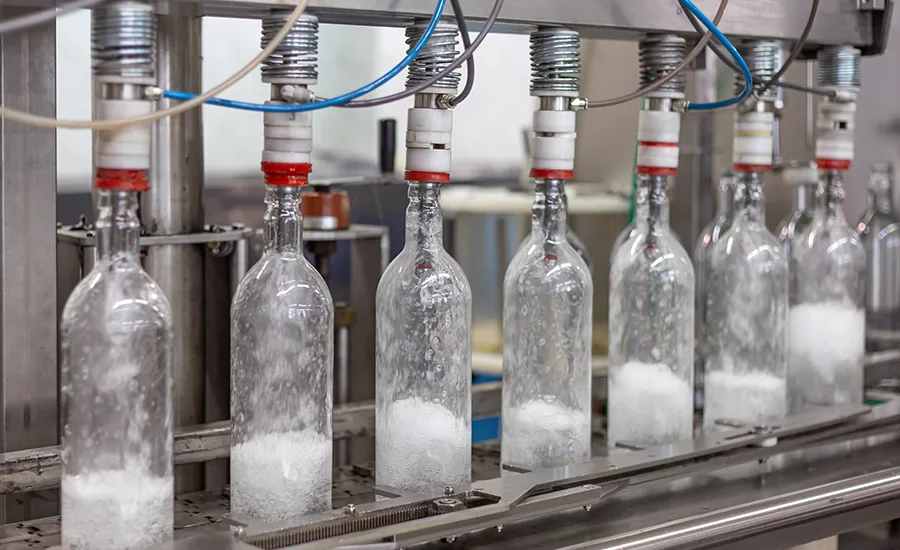
PAT can also be successfully applied to a number of food and beverage processes, even packaging, says Fred Discenzo, manager, diagnostics & sensors at Rockwell Automation Advanced Technology Laboratory. These include any fermentation process-cheese, beer, wine, yogurt-and others like tomato production, pizza sauce and ketchup. Major food and beverage processors are already using PAT to produce more on-spec product with less waste, scrap and energy consumption-at relatively low costs.
While sophisticated electrochemical sensors are becoming available to evaluate the chemistry of a food product, less-sophisticated devices with the right software algorithms can go a long way into implementing PAT in a process, says Discenzo. Some food processors are using common sensors that measure temperature, level and moisture to obtain much of the data for software algorithms to get processes under control, running at peak efficiency.
Fred Discenzo can be reached at fmdiscenzo@ra.rockwell.com or 440-646-7325.
Looking for a reprint of this article?
From high-res PDFs to custom plaques, order your copy today!