Food Safety

Governors urged to block sale of untreated Gulf Coast oysters
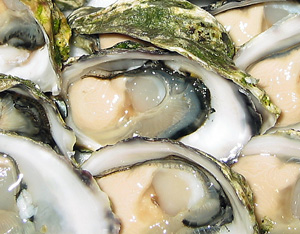
Oysters often are contaminated Vibrio vulnificus bacteria

The Center for Science in the Public Interest (CSPI) has called upon the nation’s governors to ban the sale of untreated oysters from the Gulf Coast since they often are contaminated with the deadly Vibrio vulnificus bacteria. For people with conditions that compromise the immune system, Vibrio vulnificus kills half the people it infects-approximately 15 deaths a year for many years.

In 2003, California banned the sale of untreated Gulf Coast oysters harvested in summer months and saw the number of Vibrio-related deaths plummet from about six per year to zero in the five years since, according to CSPI. Retailers such as Legal Sea Foods and Costco only sell Gulf Coast oysters that have been processed with cold pasteurization, hydrostatic pressure or another technology that can kill Vibrio vulnificus without affecting taste. Those and similar processes cost only pennies per oyster.

“Letting untreated Gulf Coast oysters reach consumers this summer will needlessly sentence several of them to death,” said CSPI Staff Attorney Sarah Klein. “Unfortunately the Food and Drug Administration has abdicated its responsibility to ensure shellfish safety and instead lets the industry police itself with minimal oversight. That’s proven to be a deadly mistake.”

According to CSPI, for the past eight years the FDA has relied on the Interstate Shellfish Sanitation Conference to monitor food safety in shellfish. The group includes representatives of FDA and other government agencies, and representatives of the shellfish industry. It does not require that processors kill Vibrio vulnificus during the dangerous summer months. Under the ISSC framework, more than 125 people have died from contaminated oysters and another 125 people suffered serious illnesses, claims CSPI. Despite the failure of the ISSC to control Vibrio, FDA is poised to grant a three-year extension while the industry tries other techniques-such as changing refrigeration temperatures-rather than making effective changes, according to CSPI.

Did you enjoy this article? Click here to subscribe to Food Engineering Magazine.

You must login or register in order to post a comment.

Multimedia

Videos

Image Galleries

Food Automation & Manufacturing Conference and Expo 2013

Images from Food Automation & Manufacturing Conference and Expo in Naples, Florida, April 14-17, 2013.

Podcasts

Burns & McDonnell Global Reporting Initiative (GRI)-certified corporate sustainability reporting (CSR) specialists discuss:

  • What is a CSR?
  • What is the GRI and the Food Processing Sector Supplement?
  • Why are companies producing CSRs?
  • What are latest CSR trends?
More Podcasts

Plant sanitation

What is the largest barrier to modernizing plant sanitation in your operation?
View Results Poll Archive

THE MAGAZINE

Food Engineering Magazine

fe may 2013 cover

2013 May

Check out Food Engineering’s May 2013 issue, featuring stories on Food Packaging, Lift Trucks and Food Safety.
Table Of Contents Subscribe

THE FOOD ENGINEERING STORE

Food-Authentication-Flyer-(.gif
Food Authentication Using Bioorganic Molecules

This text provides critical tools and data needed to augment routine food analysis and enhance food safety by aiding in the detection of counterfeit, and potentially deleterious, foods.

More Products

Clear Seas Research

Clear Seas ResearchWith access to over one million professionals and more than 60 industry-specific publications,Clear Seas Research offers relevant insights from those who know your industry best. Let us customize a market research solution that exceeds your marketing goals.

Food Master

Food MasterFood Master 2013 is now available!

Where the buying process begins in the food and beverage manufacturing market. 

Visit www.foodmaster.com to learn more.

STAY CONNECTED

facebook_40.pngtwitter_40px.pngyoutube_40px.pnglinkedin_40px.png