No need to settle for metal

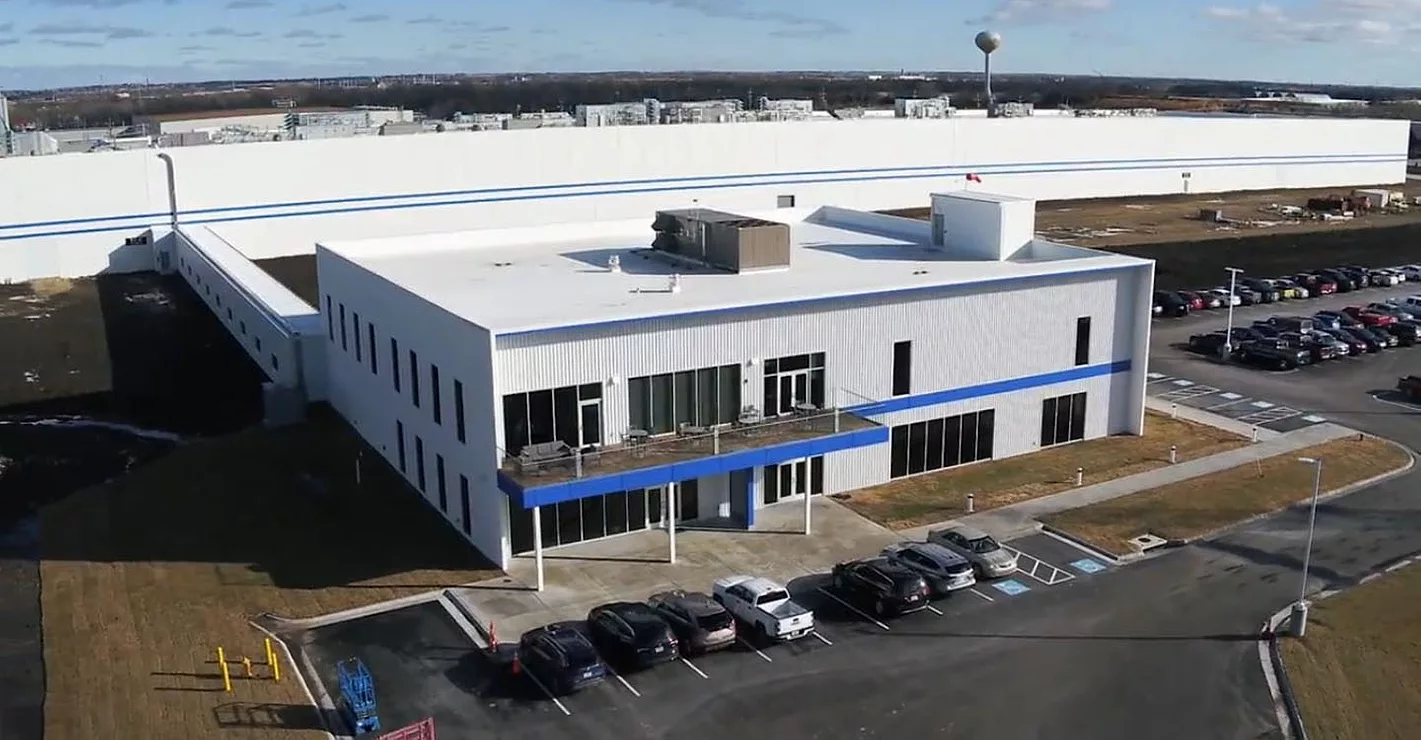
One such manufacturer, St. Louis-based Astaris is a joint venture between FMC Corp. and Solutia Inc. The company's Lawrence, KS plant produces ingredients for the dairy, cereal, baking, pasta, meat, poultry and seafood industries.
Recently, an ambitious packaging initiative moved the plant to address one of the most challenging, potentially costly and dangerous hazards to powdered food ingredients manufacturers and their customers-tramp metal.
The Astaris Lawrence plant packages many of its powders in 50-pound bags of varying thicknesses. Detecting metal fragments located near the center of such large packs of powders had been exceptionally difficult.
"We were looking to improve our metal-detection capability," explains Brian Salois, plant electrical engineer. "We checked to see if the technology had improved while we were monitoring the concerns of our customers."
"While effective HACCP planning demands that magnets and sifters be placed effectively within the processing system so that metal doesn't reach your product, sensitive metal detection of the final packaged product is the all-important final check-off for safety," continues Barbara Heidolph, the company's marketing development manager for its food business.
Astaris researched the options and installed Fortress Technology's new Phantom large bag metal detector as a test unit. "We found one of the biggest developments in metal detection technology has been the improvement in sensitivity," says Salois. "With Fortress, we were also able to get a performance guarantee based on detecting metal of specific size-2.0 millimeter pieces of stainless steel."
Generally, metal detection sensitivity is inversely related to the size of the detection eye's aperture-although the Phantom breaks that rule. The Astaris-Lawrence plant uses two Phantom systems, the 26-in. by 10-in. and 26-in. by 12-in. models. Both systems have 2.0-mm detection capability. "But they can adjust to detect metal fragments as small as 1.5 mm," says Salois. In fact, Fortress Technology says the ability to detect 2.0 millimeter 316 stainless steel fragments has become the unofficial industry standard.
The Phantom units feature an easy user interface that requires minimal operator training, according to the company. With a wide range of powders of varying electrical conductivity and magnetic permeability, the detector's automatic phase adjustment feature has also been useful to Astaris.
In recent audits, the Astaris-Lawrence plant exceeded the guidelines of the American Institute of Baking (AIB) and National Food Processors Association (NFPA). Further, the Phantoms have simplified operations for plant employees. "Operators without question like this machine. The metal detector, with its self-calibration capability, adjusts the phase for each product and displays the strength of the signal and the strength of the background. Prior units simply showed a color bar," says Salois, who also notes a near absence in false rejects with the units. "Operators can also adjust the sensitivity so that they are getting as accurate a reading as possible."
For more information:
Steve Mason, Fortress Technology, Inc.
888-220-8737 x 334
smason@fortresstechnology.com
Looking for a reprint of this article?
From high-res PDFs to custom plaques, order your copy today!