Food Engineering
  Home
  Subscribe
  eNewsletter
  Contact Us
  Subscription Customer Service
  Online
  Calendar
  e-Learning Center
  Webinars
  White Papers
  Automation News
  Food Safety News
  Current Issue
  Cover Story
  Features
  Manufacturing News
  Dry Processing
  Food Packaging
  Technology Sourcebook
  Resources
  Digital Edition Archive
  Archives
  Classified Ads
  Food Master
  Industry Links
  Replacement Parts Directory
  Special Reports
  Market Research
  Conferences & Events
  Food Automation & Manufacturing Conference
  Process Technology Xchange
  Food Safety & Security Summit
  FE Info
  Media Kit
  Reprints
  Related Publications
Search in: EditorialProductsCompanies
Governors urged to block sale of untreated Gulf Coast oysters
August 3, 2009

ARTICLE TOOLS
EmailEmailPrintPrintReprintsReprintsshareShare


Oysters often are contaminated Vibrio vulnificus bacteria

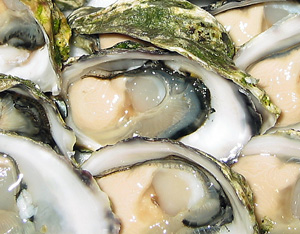
The Center for Science in the Public Interest (CSPI) has called upon the nation’s governors to ban the sale of untreated oysters from the Gulf Coast since they often are contaminated with the deadly Vibrio vulnificus bacteria. For people with conditions that compromise the immune system, Vibrio vulnificus kills half the people it infects—approximately 15 deaths a year for many years.

In 2003, California banned the sale of untreated Gulf Coast oysters harvested in summer months and saw the number of Vibrio-related deaths plummet from about six per year to zero in the five years since, according to CSPI. Retailers such as Legal Sea Foods and Costco only sell Gulf Coast oysters that have been processed with cold pasteurization, hydrostatic pressure or another technology that can kill Vibrio vulnificus without affecting taste. Those and similar processes cost only pennies per oyster.

“Letting untreated Gulf Coast oysters reach consumers this summer will needlessly sentence several of them to death,” said CSPI Staff Attorney Sarah Klein. “Unfortunately the Food and Drug Administration has abdicated its responsibility to ensure shellfish safety and instead lets the industry police itself with minimal oversight. That’s proven to be a deadly mistake.”

According to CSPI, for the past eight years the FDA has relied on the Interstate Shellfish Sanitation Conference to monitor food safety in shellfish. The group includes representatives of FDA and other government agencies, and representatives of the shellfish industry. It does not require that processors kill Vibrio vulnificus during the dangerous summer months. Under the ISSC framework, more than 125 people have died from contaminated oysters and another 125 people suffered serious illnesses, claims CSPI. Despite the failure of the ISSC to control Vibrio, FDA is poised to grant a three-year extension while the industry tries other techniques—such as changing refrigeration temperatures—rather than making effective changes, according to CSPI.


|PrintEmail

Did you enjoy this article? Click here to subscribe to the magazine.
BNP Media