Field Reports: Heat is on for salsa maker
“With the Contherm, we bring the salsa to temperature rapidly and then cool it quickly instead of it sitting in kettles for hours,” says Brent. “We get the added benefits of fresher flavor, crispier texture, and better brighter color. The Contherm also saves energy and labor since the staff isn’t waiting for the kettles to heat up.”
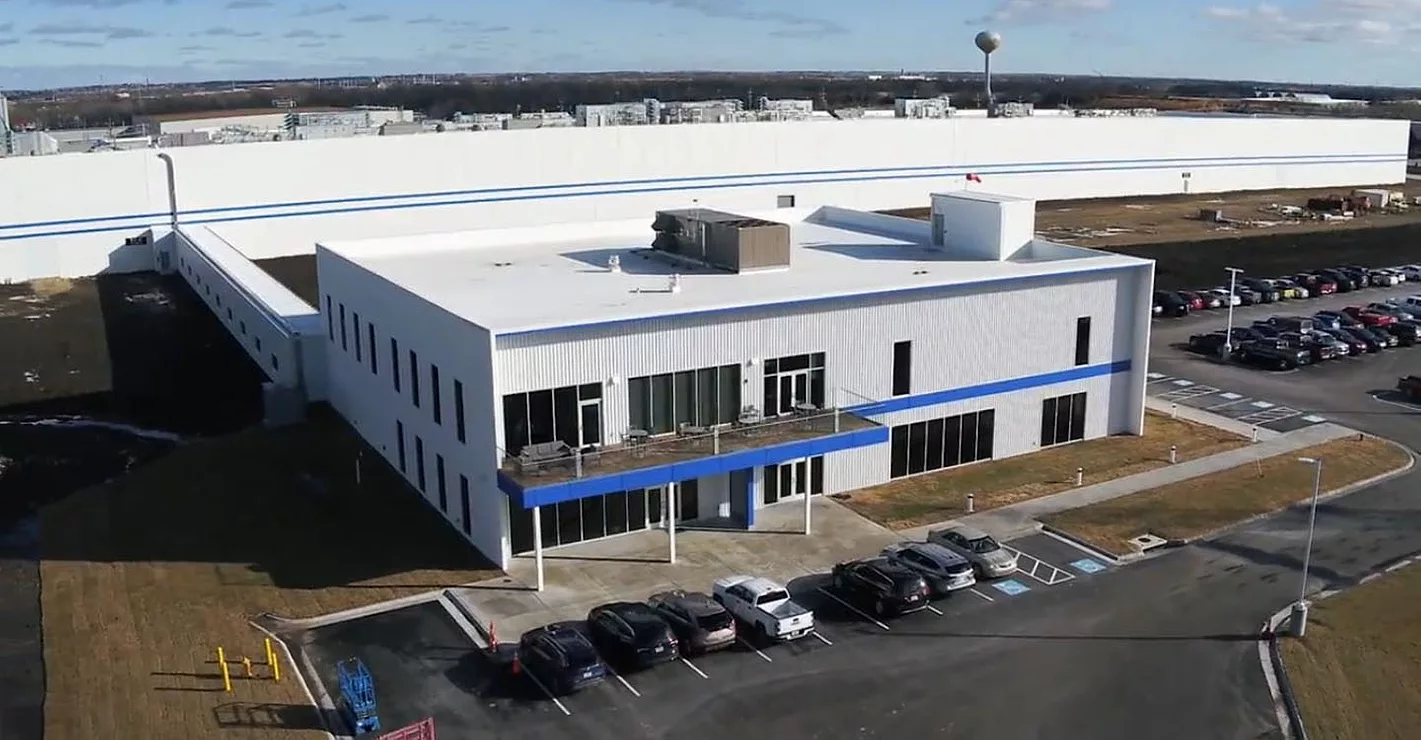
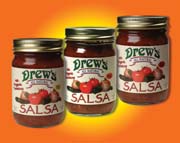
Drew’s All Natural plant in Chester, VT, produces and distributes three varieties of salsa made with all-natural ingredients. After blending the ingredients and before bottling in jars, the salsa batches need to be heated from ambient temperature to 190˚F. Previously the retention time in the kettle was over an hour while the product was heated during slow agitation. “With the heat exchanger system, we can actually focus on running and packaging the product,” Brent says.
In Drew’s new batch augmentation Contherm system, the salsa is quickly brought to temperature. It is continuously recirculated in a closed loop from the kettle to the heat exchanger and back to the kettle. When the salsa reaches the right temperature, it is discharged to filling through a three-way valve. Gentle product treatment results from features such as a tangential head. Tapered rotor shoulders minimize product degradation. While in the heat exchanger, the salsa has less exposure to shear and particulate damage since it is held in this critical elevated temperature range for a shorter time period. As a result, the onions and peppers are crispy and the tomatoes are a brighter red.
The closed-loop system offers the advantages of a continuous process including consistent product quality as a result of exacting temperature control. It also offers the cost savings over a more traditional batch system by requiring less overall capital equipment.
“We could have purchased a different solution but the ease of cleaning and maintenance convinced us,” Brent says. “The Contherm is easy to take apart and clean on a daily basis.”
Drew’s All Natural was founded by Andrew Starkweather, former head chef at the Deerfield Inn in Deerfield, MA. Every Christmas Starkweather bottled his soy-ginger vinaigrette and gave it as Christmas presents. It became so popular among his friends that he decided to start a business. Drew’s opened its first production facility in 1995. In 1999 Drew’s built a new plant that increased production by 800 percent. In addition to private label bottling, Drew’s All Natural today manufactures 11 varieties of dressing and three varieties of salsa.
For more information:
Jeff Logan, 978-463-6340,
jeff.logan@alfalaval.com
Looking for a reprint of this article?
From high-res PDFs to custom plaques, order your copy today!