Tech Flash Vol 6, No. 7 -- Food Engineering's E-Newsletter
FDA issues ‘Import Alert' for labeling violations
The US Food & Drug Administration (FDA) on March 9 issued Import Alert #99-20, “Detention Without Physical Examination (DWPE) of Imported Food Products Due to Nutritional Labeling Education Act (NLEA) Violations.” FDA enforces all laws and regulations related to front-of-package labeling and nutritional facts panels; the rules apply to both imported and domestic products.
According to Benjamin England, founder of FDAImports.com LLC, despite the NLEA being issued in 1994, “… the new Import Alert makes it clear FDA is substantially increasing its enforcement of food manufacturers and importers, under this statute. FDA will stop importers from selling products with illegal claims on their labels.”
Several manufacturers have already been placed on Import Alert #99-20 because of labeling violations. In order for a product or manufacturer to be placed on IA 99-20-which automatically detains the product at the US Customs port of entry even without physically examining it-the product need only “appear” to violate the NLEA.
According to the alert, when FDA discovers a product or manufacturer has violated NLEA, it can issue a release “with comment,” which instructs the importer that the violation must be remedied on future shipments.
“In our experience, FDA often just refuses the product,” England says, resulting in expensive delays and shipping charges for the importer. IA 99-20 indicates that if the importer violates NLEA after the first offense, FDA will place the importer on the import alert, which will cause the importer’s products to be detained without physical examination and refused entry into the United States.
Under the 2009 Fiscal Year budget, FDA’s appropriation increased 20%, with a significant portion of that budget being devoted to food safety, including domestic enforcement and enforcement upon importers at ports of entry. Although products put on DWPE under IA 99-20 may be perfectly up to standard according to the FDA regulations, FDA may never know it. When the FDA finds a labeling violation, further examination of the product is not necessary.
Senate committee awaits action on school lunch and breakfast programs
The Senate Agriculture Committee has unanimously approved the Healthy, Hunger-Free Kids Act of 2010 and sent it to the full Senate for action. The legislation reauthorizes childhood nutrition programs, spending $4.5 billion over the next 10 years.
The measure calls for new efforts to enroll more children in the National School Lunch and Breakfast programs, which currently have 30 million and 10 million children participating respectively. It would also set national nutrition standards for food sold on school property and includes a provision to create national school nutrition standards for foods sold on school campuses throughout the school day.
The Grocery Manufacturers Association (GMA) said it supports the measure, but wants to make sure USDA takes the lead in setting any nutrition standards.
“We believe that Congress should give USDA clear authority to set science-based standards for foods sold in schools during the school day,” said Scott Faber, GMA vice president of federal affairs. “The school environment is a special environment, and USDA should be given the power to establish nutrition standards for competitive foods.”
Agriculture Secretary Tom Vilsack praised the bill, but noted that the Obama administration called for spending even more on school nutritional programs.
Comments on proposed food safety laws sought
The Food Safety and Inspection Service (FSIS), a division of USDA, is seeking comment on proposed measures to increase food safety. The proposed rule would implement a provision of the 2008 Farm Bill and is a priority for the Food Safety Working Group.
The rule would require that regulated establishments promptly notify FSIS if any unsafe, unwholesome or misbranded meat or poultry product has entered commerce; prepare and maintain current procedures for the recall of meat and poultry products produced and shipped by the establishment; and document each reassessment of the establishment’s process control plans or Hazard Analysis and Critical Control Point plans.
Parties wishing to comment on the proposed regulations must do so on or before May 24, 2010, through the Federal eRulemaking Portal at www.regulations.gov, or by mail to: Docket Clerk, US Department of Agriculture, Food Safety and Inspection Service, Room 2-2127, George Washington Carver Center, 5601 Sunnyside Avenue, Mailstop 5474, Beltsville, MD 20705-5474.
All submissions received through the Federal eRulemaking Portal or by mail must reference the Food Safety and Inspection Service and include the docket number “FSIS-2008-0025.”
No winter recess for costly recalls in 2010
A new study authored by former FDA economist Robert L. Scharff estimates the total economic impact of foodborne illness in the US to be $152 billion annually. The Produce Safety Project (PSP), an initiative of The Pew Charitable Trusts at Georgetown University, published the report, Health-Related Costs from Foodborne Illness in the United States.
The report ranks states according to their total quality of life costs related to foodborne illness and medical costs per case, which averages $1,850 per person nationwide. CDC estimates that 76 million new cases of food-related illness, resulting in 5,000 deaths and 325,000 hospitalizations, occur annually in the US.
While the costs in the study reflect medical costs and losses to quality of life, they do not reflect the business cost of the recalls themselves: lost product, lawsuits, customer disloyalty and brand and company losses. Whether processors are more careless, detection is getting better or dissemination of information is faster, outbreaks and recalls did not take a winter recess.
Basic Food Flavors Inc. of Las Vegas, NV, recalled its flavor enhancer, hydrolyzed vegetable protein (HVP), because it may be contaminated with Salmonella Tennessee. The contamination was reported through FDA’s new Reportable Food Registry. As of March 8, no one has reported being sick from foods containing HVP - although several dozen products that use HVP as in ingredient in Canada and the US have been recalled. As of March 6, the count in the US totaled 94 products.
In January, CDC reported people in 15 states were infected with E. coliO157:H7, which was traced to beef products from National Steak and Poultry. The infections were reported over a period beginning October 1, 2009 through January 4. Additional E. coli recalls between January and March of this year include Huntington Meat Packaging, Montebello, CA, recalling 864,000 lbs of beef products; West Missouri Beef LLC, Rockville, MO, 14,000 lbs and Randolph Packaging, Asheboro, NC, 96,000 lbs.
For more information on the PSP study, visit www.makeourfoodsafe.org.
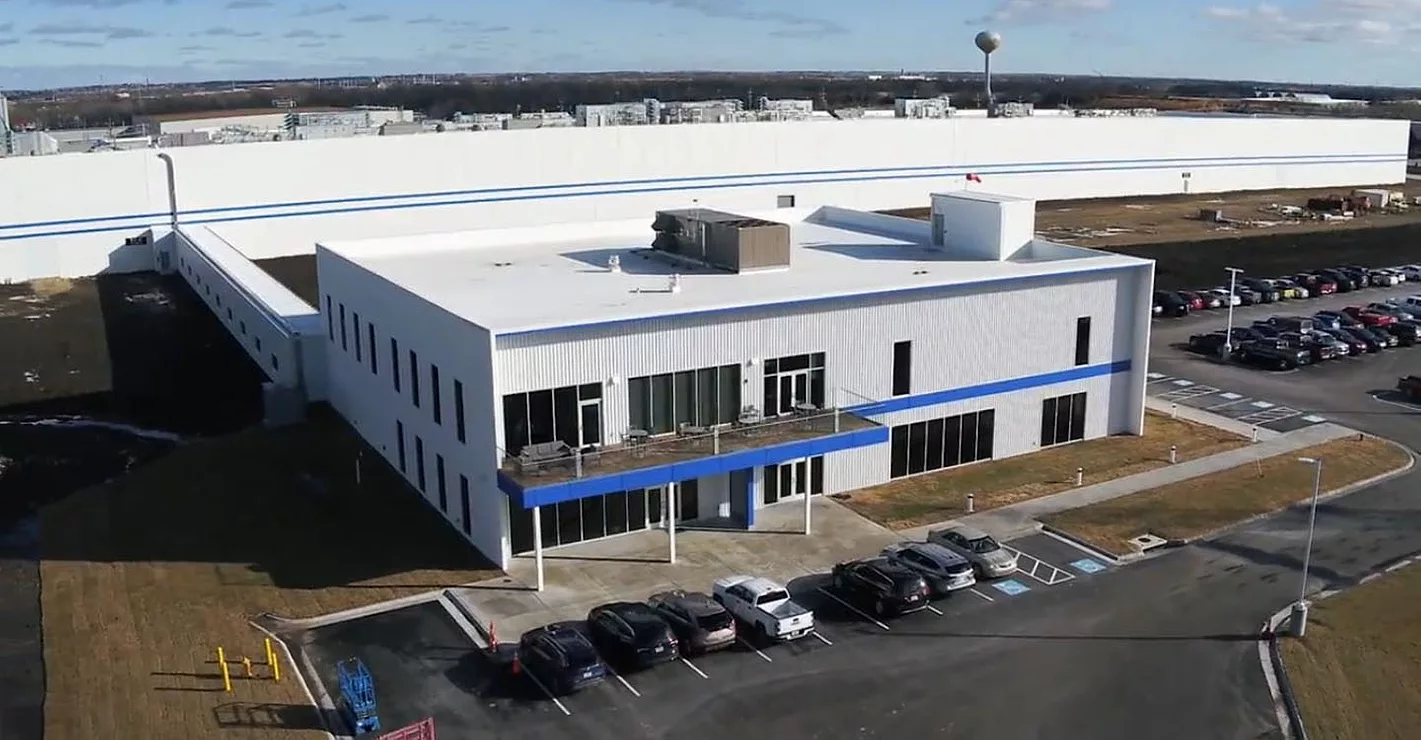
Plant of the Year: Keystone Foods Puts Its Best Food Forward
Emerging from 40 years in the background, Keystone Foods is asserting its capabilities as a contract manufacturer at its brand new Gadsden, AL, facility.
Tech Update: Pumping Systems
Processors are looking for efficient, CIP-able pumping systems at reasonable costs to perform more challenging tasks.
Food Safety: In preventive maintenance, little things mean a lot
Ignoring small parts such as gaskets, valves, clamps or connections can cause headaches.
Engineering R&D: Engineered bacteria killers
As understanding of how nature adapts to the evolution of harmful microorganisms deepens, molecular biology is delivering new food safety tools, including bactericidal proteins.
People, Plants and Industry News
Bob Crossken has been named as the national sales manager for Newton, KS-headquartered Bunting Magnetics Co. Crossken has served in a variety of roles including sales engineer, regional sales manager and senior district sales manager, since joining the company in 1964.
Jill Rulon, senior vice president of the California Grocers Association resigned after a 13-year tenure.
Graham Packaging Co. signed a share purchase agreement to acquire China Roots Packaging PTE Ltd., a plastic container manufacturing company located in Guangzhou, China. The transaction is expected to close during the second quarter.
An investor group led by the Ontario Teachers’ Pension Plan acquired Exal Group of Youngstown, OH, a specialty manufacturer of aluminum containers.
Cutrale Citrus Juices USA will build a new storage and export terminal on 2.7 acres along Berth 205 at Hookers Point port in Tampa, FL. The facility will support exports of not-from-concentrate juice and is expected to be served by ten ships a year. The port will spend $1.8 million on dock improvements, and Cutrale is expected to spend $25 to $30 million. The project should be completed in 2011.
Chicago Cold Storage and the Port of Quincy started a new expedited, refrigerated intermodal “Cold Train” container rail and distribution service between Quincy, WA, and Chicago, IL. The four-day, door-to-door service will be available up to six days a week, depending on market demands.
Click here for other industry news.
Looking for a reprint of this article?
From high-res PDFs to custom plaques, order your copy today!