Food Engineering logo
search
cart
facebook twitter linkedin youtube
  • Sign In
  • Create Account
  • Sign Out
  • My Account
Food Engineering logo
  • NEWS
    • Latest Headlines
    • Manufacturing News
    • People & Industry News
    • Plant Openings
    • Recalls
    • Regulatory Watch
    • Supplier News
  • PRODUCTS
    • New Plant Products
    • New Retail Products
  • TOPICS
    • Alternative Protein
    • Automation
    • Cannabis
    • Cleaning | Sanitation
    • Fabulous Food Plants
    • Food Safety
    • Maintenance Strategies
    • OEE
    • Packaging
    • Sustainability
    • More
  • EXCLUSIVES
    • Plant Construction Survey
    • Plant of the Year
    • Sustainable Plant of the Year
    • State of Food Manufacturing
    • Top 100 Food & Beverage Companies
  • MEDIA
    • Podcasts
    • Videos
    • Webinars
    • White Papers
  • FOOD MASTER
  • EVENTS
    • Food Automation & Manufacturing Symposium and Expo
    • Industry Events
  • RESOURCES
    • Newsletter
    • Custom Content & Marketing Services
    • FE Store
    • Government Links
    • Industry Associations
    • Market Research
    • Classified Ads
  • EMAGAZINE
    • eMagazine
    • Archive Issue
    • Advertise
  • SIGN UP!
Maintenance Strategies

Exploring the Role Food-Grade Lubricants Play in Food and Beverage Manufacturing
By John Sander
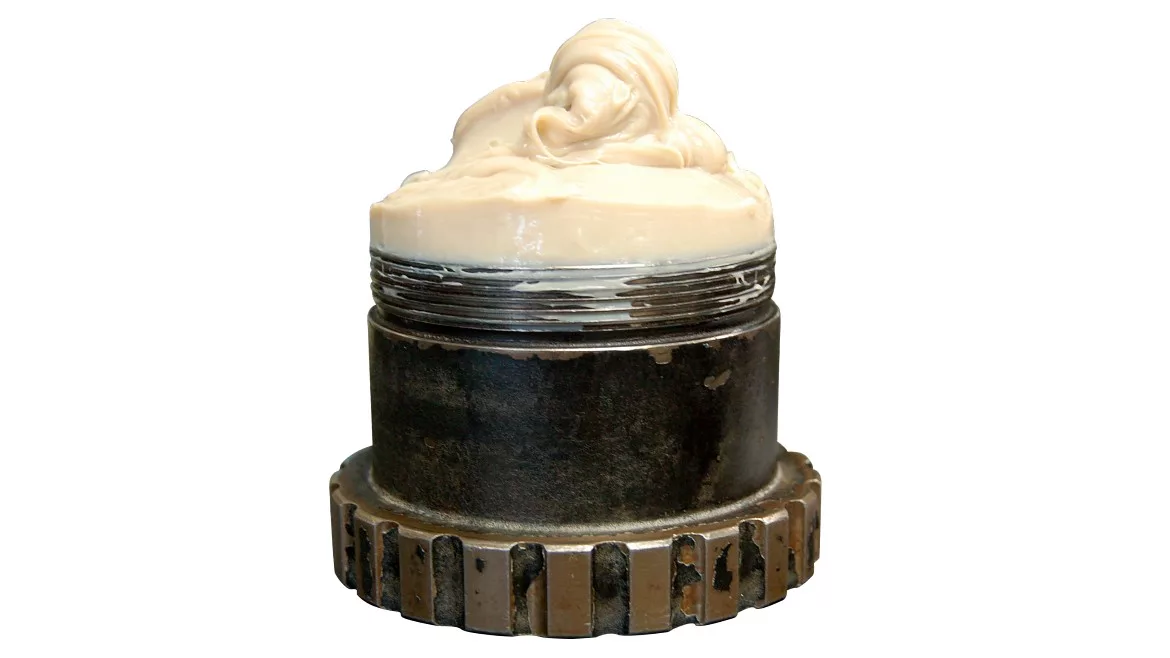
Lubricant

Image courtesy of Lubrication Engineers.

March 24, 2025

In the fast-paced world of food and beverage manufacturing, the importance of proper lubrication often goes unnoticed. However, the right lubricants play a crucial role in maintaining safety, efficiency and regulatory compliance. 

Food-grade lubricants, specifically designed for use in food processing and handling equipment, are essential components in preventing contamination and ensuring smooth operations.


Understanding Food-Grade Lubricants

Food-grade lubricants are not edible substances like cooking oils or salad dressings. Instead, they are specially formulated lubricants safe for use in food processing equipment. These lubricants must meet strict safety standards, as they may potentially come into contact with food products during the manufacturing process.

The U.S. Food and Drug Administration has established guidelines for lubricants used in food processing and handling applications. According to these regulations, food is considered contaminated and must be discarded if it contains an amount of lubricant exceeding 10 parts per million.


Types of Food-Grade Lubricants

Lubricants used in the food and beverage industry fall under two primary classifications.

  1. NSF H1 Lubricants: These are designed for the possibility of incidental food contact and are used in equipment where there’s a possibility of the lubricant coming into contact with food products. NSF H1 lubricants must comply with FDA regulations and are approved by the National Sanitation Foundation.
  2. USDA H2 Lubricants: These are used in equipment that indirectly supports food and beverage processing and handling, such as forklifts. While not intended for the possibility of incidental food contact, they must still meet specific safety requirements.


Choosing the Right Food-Grade Lubricants

Food-grade lubricants are critical for several reasons:

  1. Contamination Prevention: They eliminate the risk of product contamination in case of leaks or incidental contact, safeguarding food integrity.
  2. Regulatory Compliance: Using appropriate food-grade lubricants helps manufacturers meet strict industry regulations and standards.
  3. Cost Savings: By preventing contamination, these lubricants can help avoid costly product recalls. According to NSF, more than half of all product recalls between 2008 and 2017 were due to biotoxins and chemical contamination, with a single recall potentially costing a manufacturer around $10 million.
  4. Equipment Protection: Food-grade lubricants are formulated to protect machinery from wear and tear, extending equipment life and reducing maintenance costs.

Selecting the appropriate food-grade lubricant depends on the specific application and equipment. Factors to consider include:

  • Risk of food contact
  • Operating conditions (temperature, load, speed)
  • Equipment type (conveyors, pumps, mixers, etc.)
  • Compliance requirements (NSF H1, USDA H2, Kosher, Halal)

Food-grade lubricants are an essential component of safe and efficient food and beverage manufacturing. By understanding their importance and choosing the right products, manufacturers can protect their operations, comply with regulations, and maintain the integrity of their products.

KEYWORDS: equipment maintenance lubricants maintenance

Share This Story

Looking for a reprint of this article?
From high-res PDFs to custom plaques, order your copy today!

John sander lubrication engineers 428x639

John Sander is vice president of research and development for Lubrication Engineers.

Recommended Content

JOIN TODAY
to unlock your recommendations.

Already have an account? Sign In

  • 2025 Top 100 Food and Beverage Companies

    FOOD ENGINEERING’s 2025 Top 100 Food and Beverage Companies

    While sales were largely down under dynamic economic and...
    Top 100 Food & Beverage Companies
    By: Alyse Thompson-Richards
  • Bottling machine

    How Optical and X-Ray Inspection Supports Bottling Safety and Quality

    By transitioning from legacy single-technology systems to...
    Food Safety
    By: Dan McKee
  • Bread baking in oven

    The State of Food Manufacturing in 2025

    Food and beverage manufacturers are investing in...
    Manufacturing News
    By: Alyse Thompson-Richards
Manage My Account
  • eMagazine
  • Newsletter
  • Online Registration
  • Manage My Preferences
  • Customer Service

More Videos

Popular Stories

The Campbell's Company logo

Campbell’s Terminates Exec Over Alleged Disparaging Comments

Frito-Lay logo

PepsiCo to Close Two Florida Facilities

alternative protein products

Alternative Protein in 2025: Key Trends and Technologies

State of Maufacturing 2025

Events

June 17, 2025

Refrigerated & Frozen Foods’ State of the Cold Chain

On Demand Kelley Rodriguez, Editor in Chief of Refrigerated & Frozen Foods, will be joined in this 60-minute webinar by industry experts to help unpack the latest research.

July 23, 2025

Decarbonizing Process Heat: What You Should Know and Next Steps

On Demand Driven by climate goals, business risk, client interest, and resilience considerations, food and beverage companies are increasingly turning their attention to decarbonizing their production processes.

View All Submit An Event

Products

Recent Advances in Ready-to-Eat Food Technology

Recent Advances in Ready-to-Eat Food Technology

See More Products

CHECK OUT OUR NEW ESSENTIAL TOPICS

Alternative ProteinAutomationCleaning/SanitationFabulous Food Plants

Food SafetyMaintenance StrategiesOEE

PackagingSustainability

Related Articles

  • Distribution trucks in a parking lot.

    From Chaos to Coordination: The Role of AI in Food Logistics

    See More
  • Reliance on digital technologies poses a security risk

    Cybersecurity in Food and Beverage Manufacturing: Protecting the Heart of Operations

    See More
  • Precision Fermentation Bioreactor

    Bioreactors Play a Key Role in Precision Fermentation

    See More

Related Products

See More Products
  • small-occ.jpg

    Occupational Health and Safety in the Food and Beverage Industry

  • Cleaning-in-Place: Dairy, Food and Beverage Operations, 3rd Edition

  • food crime.jpg

    Food Crime: An Introduction to Deviance in the Food Industry

See More Products
×

Elevate your expertise in food engineering with unparalleled insights and connections.

Get the latest industry updates tailored your way.

JOIN TODAY!
  • RESOURCES
    • Advertise
    • Contact Us
    • Food Master
    • Store
    • Want More
  • SIGN UP TODAY
    • Create Account
    • eMagazine
    • Newsletter
    • Customer Service
    • Manage Preferences
  • SERVICES
    • Marketing Services
    • Reprints
    • Market Research
    • List Rental
    • Survey/Respondent Access
  • STAY CONNECTED
    • LinkedIn
    • Facebook
    • YouTube
    • X (Twitter)
  • PRIVACY
    • PRIVACY POLICY
    • TERMS & CONDITIONS
    • DO NOT SELL MY PERSONAL INFORMATION
    • PRIVACY REQUEST
    • ACCESSIBILITY

Copyright ©2025. All Rights Reserved BNP Media.

Design, CMS, Hosting & Web Development :: ePublishing