Food Engineering logo
search
cart
facebook twitter linkedin youtube
  • Sign In
  • Create Account
  • Sign Out
  • My Account
Food Engineering logo
  • NEWS
    • Latest Headlines
    • Manufacturing News
    • People & Industry News
    • Plant Openings
    • Recalls
    • Regulatory Watch
    • Supplier News
  • PRODUCTS
    • New Plant Products
    • New Retail Products
  • TOPICS
    • Alternative Protein
    • Automation
    • Cannabis
    • Cleaning | Sanitation
    • Cross-Functional Food Innovation
    • Fabulous Food Plants
    • Food Safety
    • Maintenance Strategies
    • OEE
    • Packaging
    • Sustainability
    • More
  • EXCLUSIVES
    • Plant Construction Survey
    • Plant of the Year
    • Sustainable Plant of the Year
    • State of Food Manufacturing
    • Top 100 Food & Beverage Companies
  • MEDIA
    • Podcasts
    • Videos
    • Webinars
    • White Papers
  • FOOD MASTER
  • EVENTS
    • Food Automation & Manufacturing Symposium and Expo
    • Industry Events
  • RESOURCES
    • Newsletter
    • Custom Content & Marketing Services
    • FE Store
    • Government Links
    • Industry Associations
    • Market Research
    • Sponsor Insights
    • Classified Ads
  • EMAGAZINE
    • eMagazine
    • Archive Issue
    • Advertise
  • SIGN UP!
Food Safety

Food Safety

Is IoT the future of food safety?

Some industry watchers say 2019 should be the year that IoT improves food safety.
By Sam Cece
Wireless Ambient Light Sensor

Wireless Ambient Light Sensor

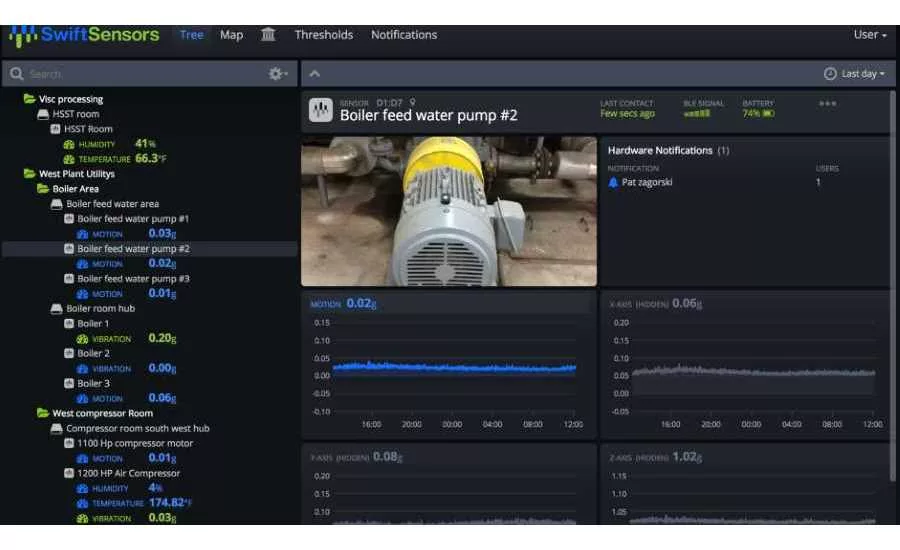
Dashboard view of a vibration sensor

Dashboard view of a vibration sensor in a food manufacturing plant
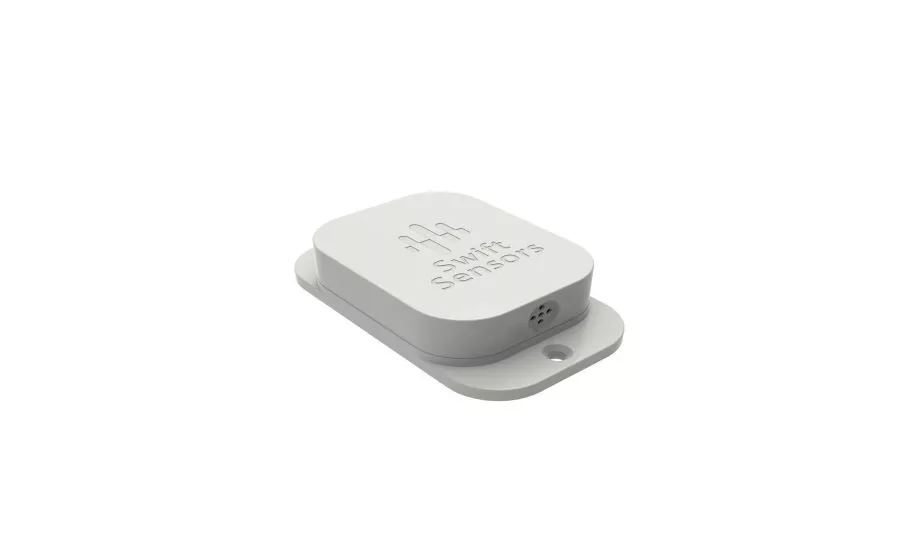
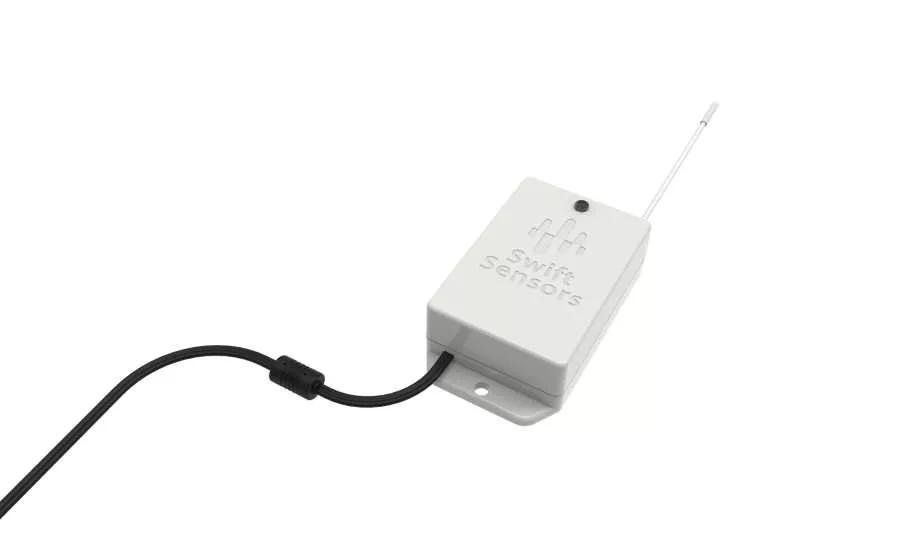
Wireless Temperature and Humidity Sensor
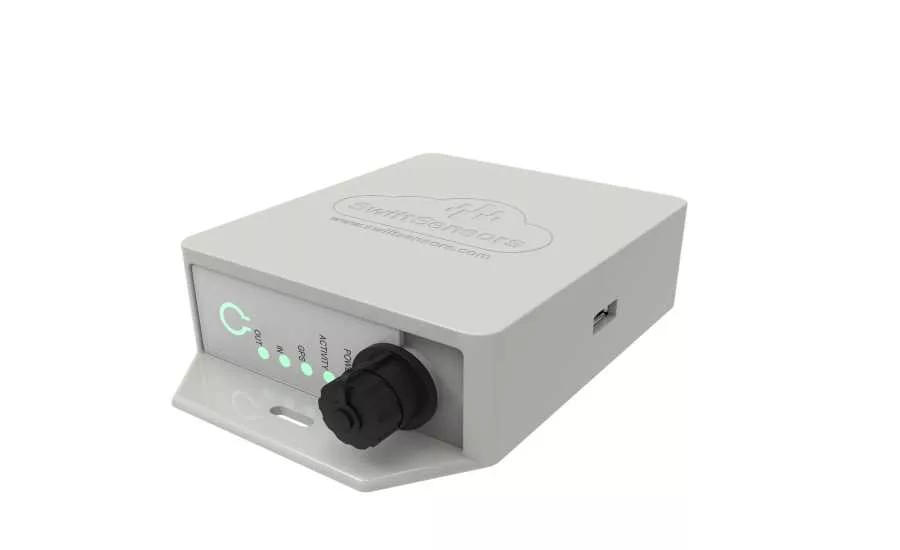
Universal Bridge
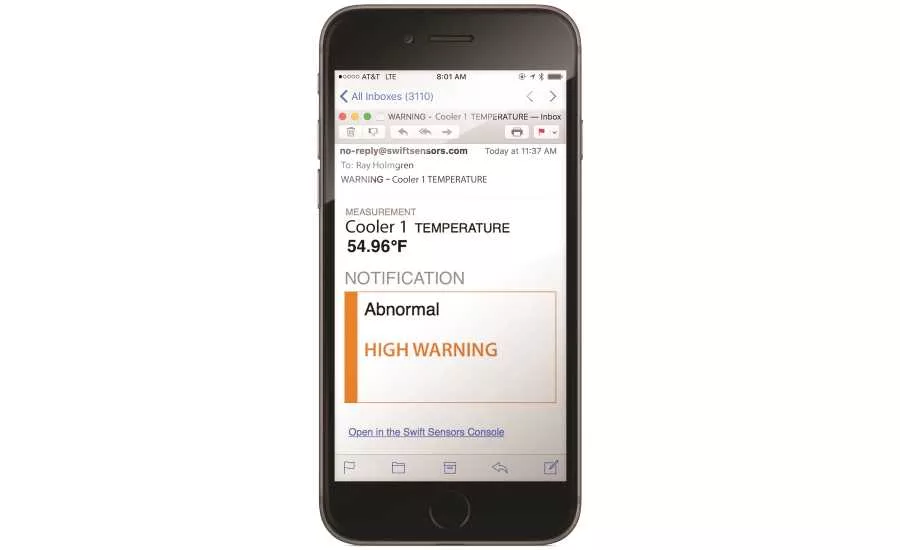
Email Notification of a temperature out of range
Wireless Ambient Light Sensor
Dashboard view of a vibration sensor
Wireless Temperature and Humidity Sensor
Universal Bridge
Email Notification of a temperature out of range
April 3, 2019

With foodborne illnesses on the rise and the average direct cost of a food recall now at $10 million, some industry watchers say 2019 should be the year the Internet of Things improves food safety. These predictions are based on the growing availability of wireless temperature sensors as well as geolocation devices and pathogen detection scanners. Industrial IoT technology gives food manufacturers and the food service industry real-time data to identify problems, reduce waste and prevent expensive, brand-damaging outbreaks and recalls.


Bringing cold chain monitoring into the 21st century

Maintaining a safe temperature range for perishable food from farm to fork remains a technical and logistical challenge, and it’s not the only one food producers and handlers contend with. Other areas for potential improvement in food safety are recordkeeping, the scope of monitoring, real-time visibility into systems, human error and cost management. Accurate data, available to managers as the readings are taken, can help with all of these tasks. IoT applications like RFID sensors connected to GPS networks have already begun to improve tracking of food as it moves through the supply chain, boosting efficiency, reducing shrinkage, and better predicting shelf life.

Documenting cold chain temperature maintenance is a major responsibility for food production plants and warehouses. When recordkeeping relies on after-the-fact manual data entry, the resulting documents can be error-prone and hard to access quickly. They certainly don’t provide real-time data. Wired monitoring systems are an improvement over manual readings and data entry, but they often don’t deliver real-time data, because the reports they generate depend on the timing of server updates. Wireless temperature monitoring devices eliminate the need for manual recordkeeping, improve the accuracy of temperature management records, and deliver data as it’s collected. RFID in transit and IoT sensors in plants and warehouses can provide accurate and current data for information management systems that help investigators trace sources of contamination after an outbreak.


Stopping illness outbreaks and recalls before they begin

There is also the potential to prevent food contamination with IoT technology. For instance, there is a tool for food handlers that detects traces of pathogens on employees’ hands after washing. The employees get immediate feedback from the device about whether they need to wash their hands again. Managers receive data they can analyze to identify times and days when employee handwashing is less thorough and take steps to correct the problem.

Comprehensive monitoring of every area of a factory or warehouse can also help protect against pathogens by ensuring the proper temperature for food in every part of the facility. Wireless temperature sensors install quickly and will often fit in areas that wired systems can’t reach. Expanded coverage makes it easier to detect areas where the temperature is out of bounds.

Because wireless sensors and other IoT devices report their data in real time to the cloud, managers can monitor what’s happening as it happens. This insight can allow them to confidently pull compromised product. Shrinkage is wasteful and costly, but recalls are far more expensive and damaging. In addition to the direct costs, recalled brands can face slower sales, damaged trust among customers, and lawsuits.

IoT networks’ data also provides in-the-moment backup for employees. Even the most conscientious humans can make mistakes, because of distraction, fatigue, or other reasons. Instant alerts for out-of-range temperatures, dirty hands, and other red flags can prompt employees to address problems they might have otherwise missed.


Improving operational efficiency

IoT sensor data can enable predictive maintenance and indicate when equipment is nearing the end of its useful life so it can be switched out before it fails and compromises product quality. Are there processes that need improvement to ensure cold chain continuity, such as better sorting of products with different temperature requirements or faster loading times to avoid product warmups? With up-to-the-moment data and a wide network of sensors, it’s possible to track product temperatures from the time they enter a plant to the moment they leave. Delivery of temperature readings directly from sensors to the cloud also frees employees from data entry so they can focus on other safety- and production-related tasks.

Industrial IoT sensors and wireless, cloud-based technology can protect the food supply and public health while helping food producers and handlers run more efficiently. Food recalls have serious consequences for everyone involved, from sickened consumers to manufacturers who may spend years paying fines and repairing public trust. With IoT technology to help trace food shipments, monitor safe temperatures and prevent contamination, the future of food safety looks healthier.

KEYWORDS: data acquisition Industrial Internet of Things (IIoT) sensors supply chain management track and trace

Share This Story

Looking for a reprint of this article?
From high-res PDFs to custom plaques, order your copy today!
founder, president, CEO, Swift Sensors

Recommended Content

JOIN TODAY
to unlock your recommendations.

Already have an account? Sign In

  • FE Top100 Food & Beverage Companies hero, gold lettering with black background.

    FOOD ENGINEERING’s 2026 Top 100 Food and Beverage Companies

    See where the world’s leading food and beverage companies...
    Manufacturing News
    By: Alyse Thompson-Richards
  • CJ Schwan’s Salina facility.

    Recipe for Growth: How CJ Schwan’s Powers Pizza Production with People and Automation

    Blending advanced automation with purposeful design, this...
    Cross-Functional Food Innovation
    By: Alyse Thompson-Richards
  • Paris Baguette rendering

    FOOD ENGINEERING’s 49th Annual Plant Construction Survey

    Food and beverage manufacturers continue to invest in...
    Plant Construction Survey
    By: Alyse Thompson-Richards
Manage My Account
  • eMagazine
  • Newsletter
  • Online Registration
  • Manage My Preferences
  • Customer Service

More Videos

Sponsored Content

Sponsored Content is a special paid section where industry companies provide high quality, objective, non-commercial content around topics of interest to the Food Engineering audience. All Sponsored Content is supplied by the advertising company and any opinions expressed in this article are those of the author and not necessarily reflect the views of Food Engineering or its parent company, BNP Media. Interested in participating in our Sponsored Content section? Contact your local rep!

close
  • Illustration of businessman standing in the middle of a large scale, balancing between two green dollar signs at each end, one larger than the other. Blue background with very small white clouds.
    Sponsored by3-A Sanitary Standards, Inc.

    6 Questions: Before You Buy Food Processing Equipment

  • Construction crews use aerial lifts to install insulated wall panels inside an industrial facility.
    Sponsored byBurns & McDonnell

    Food Manufacturing’s Growth Calls for Integrated Project Delivery

  • Close-up of a group of freshly baked stuffed empanadas being transferred onto a conveyor belt.
    Sponsored byDorner

    Smarter Line Design Improves Food Manufacturing Efficiency and Throughput

Popular Stories

FE Top100 Food & Beverage Companies hero, gold lettering with black background.

FOOD ENGINEERING’s 2026 Top 100 Food and Beverage Companies

Maple Leaf Foods photo

Maple Leaf Foods to Consolidate Plant Protein Production

Illustration of businessman standing in the middle of a large scale, balancing between two green dollar signs at each end, one larger than the other. Blue background with very small white clouds.

6 Questions: Before You Buy Food Processing Equipment

Graphic with text on the left: ‘Food Engineering 2026 Top 100 - Explore leaders.’ Right side: images of juice bottles and chicken on a conveyor. Bottom text 'View Rankings'.


Promo for the 2027 Plant of the Year Award

Events

October 15, 2026

Exploring FOOD ENGINEERING’s 2026 State of Food Manufacturing

The webinar will examine how these trends are impacting every stage of the manufacturing process, from research and development through production, distribution and fulfillment.

January 1, 2030

Webinar Sponsorship Information

For webinar sponsorship information, visit www.bnpevents.com/webinars or email webinars@bnpmedia.com.

View All Submit An Event

Products

Recent Advances in Ready-to-Eat Food Technology

Recent Advances in Ready-to-Eat Food Technology

See More Products

September 23 FE Editorial Webinar


CHECK OUT OUR NEW ESSENTIAL TOPICS

Alternative ProteinAutomationCleaning/SanitationFabulous Food Plants

Food SafetyMaintenance StrategiesOEE

PackagingSustainability

Related Articles

  • The future of food safety is in the cloud

    See More
  • PepsiCo Diet Pepsi

    Pepsi understands that the future of food is sweeter with less sugar

    See More
  • Food and AgTech trends

    Food and AgTech trends that are shaping the future of food

    See More

Related Products

See More Products
  • The 10 Principles of Food Industry Sustainability

See More Products
×

Elevate your expertise in food engineering with unparalleled insights and connections.

Get the latest industry updates tailored your way.

JOIN TODAY!
  • RESOURCES
    • Advertise
    • Contact Us
    • Food Master
    • Store
    • Want More
  • SIGN UP TODAY
    • Create Account
    • eMagazine
    • Newsletter
    • Customer Service
    • Manage Preferences
  • SERVICES
    • Marketing Services
    • Reprints
    • Market Research
    • List Rental
    • Survey/Respondent Access
  • STAY CONNECTED
    • LinkedIn
    • Facebook
    • YouTube
    • X (Twitter)
  • PRIVACY
    • PRIVACY POLICY
    • TERMS & CONDITIONS
    • DO NOT SELL MY PERSONAL INFORMATION
    • PRIVACY REQUEST
    • ACCESSIBILITY

Copyright ©2026. All Rights Reserved BNP Media, Inc. and BNP Media II, LLC.

Design, CMS, Hosting & Web Development :: ePublishing