Food Engineering logo
search
cart
facebook twitter linkedin youtube
  • Sign In
  • Create Account
  • Sign Out
  • My Account
Food Engineering logo
  • NEWS
    • Latest Headlines
    • Manufacturing News
    • People & Industry News
    • Plant Openings
    • Recalls
    • Regulatory Watch
    • Supplier News
  • PRODUCTS
    • New Plant Products
    • New Retail Products
  • TOPICS
    • Alternative Protein
    • Automation
    • Cannabis
    • Cleaning | Sanitation
    • Fabulous Food Plants
    • Food Safety
    • Maintenance Strategies
    • OEE
    • Packaging
    • Sustainability
    • More
  • EXCLUSIVES
    • Plant Construction Survey
    • Plant of the Year
    • Sustainable Plant of the Year
    • State of Food Manufacturing
    • Top 100 Food & Beverage Companies
  • MEDIA
    • Podcasts
    • Videos
    • Webinars
    • White Papers
  • FOOD MASTER
  • EVENTS
    • Food Automation & Manufacturing Symposium and Expo
    • Industry Events
  • RESOURCES
    • Newsletter
    • Custom Content & Marketing Services
    • FE Store
    • Government Links
    • Industry Associations
    • Market Research
    • Classified Ads
  • EMAGAZINE
    • eMagazine
    • Archive Issue
    • Advertise
  • SIGN UP!
PackagingSustainability

Packaging

Recycling Assistance

Standardized label helps consumers recycle packaging

By Hallie Forcinio
June 6, 2013

Nearly all packages will carry a How2Recycle Label by 2016 if the developer of the labeling system achieves its goal. The label, developed by the Sustainable Packaging Coalition (SPC), a project of GreenBlue, Charlottesville, VA, also will boost package recycling rates and divert waste from landfills. The voluntary labeling system provides explicit instructions to help consumers recycle and identifies nonrecyclable packaging components.

Several food processors, including Kellogg Co. and General Mills, have adopted the label. Results from early adopters indicate the label is understood byStandardized label assists in recycling consumers, prompts action, elicits positive impressions of products and companies and meets FTC green labeling requirements. In addition, the label helps food processors understand the specific recyclability of their packaging.
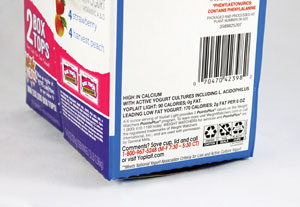
“This long-term SPC project is poised to make a significant impact,” says GreenBlue Senior Manager Anne Bedarf who, with GreenBlue Project Associate Danielle Peacock, has led the development of the How2Recycle Label. “With the revision of the FTC’s Green Guides, attention again has turned to accurate and transparent recyclability messaging, and the SPC’s How2Recycle Label is quickly becoming the industry standard. We designed the business model with a tiered structure to encourage participation by businesses of all sizes, and we look forward to working with a diverse group of forward-thinking companies and stakeholders as we enter the next phase.”

General Mills began using the label on its Yoplait yogurt packaging in July 2012. The How2Recyle Label on its eight-count fridge pack, for example, provides recycling instructions for the paperboard carton, plus the plastic cup and its foil seal.

At Kellogg, How2Recyle Labels began appearing on Kashi and Kellogg brand products in April 2013. “We continually look for ways to educate consumers on the recyclability of our packaging materials,” says Melissa Craig, manager of packaging engineering at Kellogg. “Consumers need clear, concise communication when it comes to recycling, so materials that can be reclaimed don’t accidentally end up in landfills. This label helps ensure all packaging components are recycled, as intended, to further reduce the environmental impact of our products and promote conservation.”

Kellogg uses the Widely Recycled Paper Carton and Store Drop-off versions of the How2Recycle Label. The latter indicates the bag inside its cereal boxes may be recycled with the carry bags collected for recycling at many retail outlets.

Cartons for Kellogg products also carry the 100% Recycled Paperboard symbol, licensed from the 100% Recycled Paperboard Alliance, Inc. This identifier helps consumers link the act of recycling with the need to provide a market for recycled materials by buying products made with recycled content. Fees to license use of the How2Recycle Label system range from $2,000 to $6,000 and are based on company size and SPC membership. 


For more information:

Anne Bedarf, Sustainable Packaging Coalition,
434-817-1424, ext. 314, anne.bedarf@greenblue.org

Paul Schutes, Recycled Paperboard Alliance,
202-347-8000, info@rpa100.com 

KEYWORDS: labeling recycling

Share This Story

Looking for a reprint of this article?
From high-res PDFs to custom plaques, order your copy today!

Recommended Content

JOIN TODAY
to unlock your recommendations.

Already have an account? Sign In

  • 2025 Top 100 Food and Beverage Companies

    FOOD ENGINEERING’s 2025 Top 100 Food and Beverage Companies

    While sales were largely down under dynamic economic and...
    Top 100 Food & Beverage Companies
    By: Alyse Thompson-Richards
  • Bottling machine

    How Optical and X-Ray Inspection Supports Bottling Safety and Quality

    By transitioning from legacy single-technology systems to...
    Food Safety
    By: Dan McKee
  • Bread baking in oven

    The State of Food Manufacturing in 2025

    Food and beverage manufacturers are investing in...
    Manufacturing News
    By: Alyse Thompson-Richards
Manage My Account
  • eMagazine
  • Newsletter
  • Online Registration
  • Manage My Preferences
  • Customer Service

More Videos

Popular Stories

The Campbell's Company logo

Campbell’s Terminates Exec Over Alleged Disparaging Comments

Frito-Lay logo

PepsiCo to Close Two Florida Facilities

alternative protein products

Alternative Protein in 2025: Key Trends and Technologies

State of Maufacturing 2025

Events

June 17, 2025

Refrigerated & Frozen Foods’ State of the Cold Chain

On Demand Kelley Rodriguez, Editor in Chief of Refrigerated & Frozen Foods, will be joined in this 60-minute webinar by industry experts to help unpack the latest research.

July 23, 2025

Decarbonizing Process Heat: What You Should Know and Next Steps

On Demand Driven by climate goals, business risk, client interest, and resilience considerations, food and beverage companies are increasingly turning their attention to decarbonizing their production processes.

View All Submit An Event

Products

Recent Advances in Ready-to-Eat Food Technology

Recent Advances in Ready-to-Eat Food Technology

See More Products

CHECK OUT OUR NEW ESSENTIAL TOPICS

Alternative ProteinAutomationCleaning/SanitationFabulous Food Plants

Food SafetyMaintenance StrategiesOEE

PackagingSustainability

Related Articles

  • USDA funds food safety training, outreach and technical assistance

    See More
  • USDA international assistance program benefits more than 1.6 million worldwide

    See More
  • mail-in recycling

    Bimbo, Kroger among brands using mail-in recycling for flexible packaging

    See More

Related Products

See More Products
  • The 10 Principles of Food Industry Sustainability

  • composites.jpg

    Composites Materials for Food Packaging

  • handbookfoodscience.jpg

    Handbook of Food Science and Technology 2: Food Process Engineering and Packaging

See More Products
×

Elevate your expertise in food engineering with unparalleled insights and connections.

Get the latest industry updates tailored your way.

JOIN TODAY!
  • RESOURCES
    • Advertise
    • Contact Us
    • Food Master
    • Store
    • Want More
  • SIGN UP TODAY
    • Create Account
    • eMagazine
    • Newsletter
    • Customer Service
    • Manage Preferences
  • SERVICES
    • Marketing Services
    • Reprints
    • Market Research
    • List Rental
    • Survey/Respondent Access
  • STAY CONNECTED
    • LinkedIn
    • Facebook
    • YouTube
    • X (Twitter)
  • PRIVACY
    • PRIVACY POLICY
    • TERMS & CONDITIONS
    • DO NOT SELL MY PERSONAL INFORMATION
    • PRIVACY REQUEST
    • ACCESSIBILITY

Copyright ©2025. All Rights Reserved BNP Media.

Design, CMS, Hosting & Web Development :: ePublishing