Food Engineering logo
search
cart
facebook twitter linkedin youtube
  • Sign In
  • Create Account
  • Sign Out
  • My Account
Food Engineering logo
  • NEWS
    • Latest Headlines
    • Manufacturing News
    • People & Industry News
    • Plant Openings
    • Recalls
    • Regulatory Watch
    • Supplier News
  • PRODUCTS
    • New Plant Products
    • New Retail Products
  • TOPICS
    • Alternative Protein
    • Automation
    • Cannabis
    • Cleaning | Sanitation
    • Cross-Functional Food Innovation
    • Fabulous Food Plants
    • Food Safety
    • Maintenance Strategies
    • OEE
    • Packaging
    • Sustainability
    • More
  • EXCLUSIVES
    • Plant Construction Survey
    • Plant of the Year
    • Sustainable Plant of the Year
    • State of Food Manufacturing
    • Top 100 Food & Beverage Companies
  • MEDIA
    • Podcasts
    • Videos
    • Webinars
    • White Papers
  • FOOD MASTER
  • EVENTS
    • Food Automation & Manufacturing Symposium and Expo
    • Industry Events
  • RESOURCES
    • Newsletter
    • Custom Content & Marketing Services
    • FE Store
    • Government Links
    • Industry Associations
    • Market Research
    • Sponsor Insights
    • Classified Ads
  • EMAGAZINE
    • eMagazine
    • Archive Issue
    • Advertise
  • SIGN UP!
Food Safety

TECH FLASH

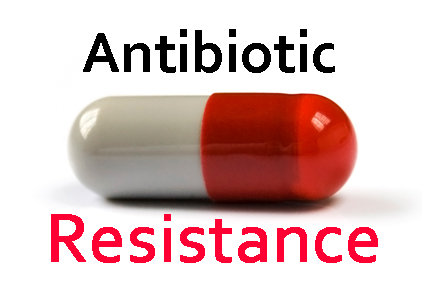
CSPI says CDC antibiotic resistance report doesn’t offer steps to food safety

Critics say the agency is overly vague about antibiotic abuse in food production animals.
September 25, 2013

Co-resistance complicates treatment of antibiotic-resistant bacteria

A new report from the Centers for Disease Control and Prevention (CDC) on antibiotic resistance stops short of offering steps to food safety, says the Center for Science in the Public Interest (CSPI).

One-third of the 12 pathogens classified as a “serious” threat to public health are found in food, but the report lacks specific details on reducing the quantity of antibiotics used in animal production; it only says the use of antibiotics for growth promotion in animals should be “phased out.” While CDC’s advice on safe food handling may help people avoid illness, it doesn’t prevent resistance from developing in the first place.

“The CDC found that 22 percent of the resistant illnesses are linked to foodborne hazards, so the overuse of antibiotics in the animal sector can no longer be ignored,” says Caroline Smith DeWaal, director of food safety at CSPI. “The volume of antibiotics sold for use in animals dwarfs those used in human medicine. While attention to both sectors is vital, action is urgently needed to manage the food safety risks posed by the non-therapeutic use of antibiotics in food animals.”

Seventy-four percent of antibiotics the World Health Organization considers critically or highly important are sold for use in food animal production. CSPI recommends several steps be taken in light of the report: FDA and the White House should release new guidance for pharmaceutical companies, veterinarians and the food industry; food producers should use antibiotics at a veterinarian’s advice only to treat disease, not as prophylactics or to encourage growth; and consumers should be encouraged to minimize exposure to antibiotic-resistant pathogens in the meat supply by purchasing meat labeled “USDA Certified Organic” or “Raised Without Antibiotics: USDA Process Certified.”

To access the report, visit CDC’s website.

KEYWORDS: animal welfare antibiotic food security

Share This Story

Looking for a reprint of this article?
From high-res PDFs to custom plaques, order your copy today!
Recommended Content

JOIN TODAY
to unlock your recommendations.

Already have an account? Sign In

  • CJ Schwan’s Salina facility.

    Recipe for Growth: How CJ Schwan’s Powers Pizza Production with People and Automation

    Blending advanced automation with purposeful design, this...
    Cross-Functional Food Innovation
    By: Alyse Thompson-Richards
  • Paris Baguette rendering

    FOOD ENGINEERING’s 49th Annual Plant Construction Survey

    Food and beverage manufacturers continue to invest in...
    Plant Construction Survey
    By: Alyse Thompson-Richards
  • Bottling machine

    How Optical and X-Ray Inspection Supports Bottling Safety and Quality

    By transitioning from legacy single-technology systems to...
    Food Safety
    By: Dan McKee
Manage My Account
  • eMagazine
  • Newsletter
  • Online Registration
  • Manage My Preferences
  • Customer Service

More Videos

Sponsored Content

Sponsored Content is a special paid section where industry companies provide high quality, objective, non-commercial content around topics of interest to the Food Engineering audience. All Sponsored Content is supplied by the advertising company and any opinions expressed in this article are those of the author and not necessarily reflect the views of Food Engineering or its parent company, BNP Media. Interested in participating in our Sponsored Content section? Contact your local rep!

close
  • Stainless steel conveyor system transferring cut food pieces—likely pasta or fries—through an enclosed industrial processing line using a flexible hose and screw conveyor in a manufacturing facility.
    Sponsored byHapman

    What’s Slowing Down Your Bulk Material Handling Process?

  • AI-enhanced technology in CIP operations
    Sponsored byEcolab

    Using AI to unlock new value from your CIP processes

Popular Stories

Little Sesame staff standing outside at the opening of its new facility in Capitol Heights, Maryland with a ribbon-cutting ceremony.

All Roads Lead to Growth for Hummus Maker Little Sesame

Ecolab CIP IQ

Looking Toward Water-Smart Cleaning and Sanitation

The Campbell's Company logo

The Campbell’s Company Acquires 49% Stake in Rao’s Maker

Promo for the 2026 Plant of the Year: CJ Shwan

Events

June 17, 2025

Refrigerated & Frozen Foods’ State of the Cold Chain

On Demand Kelley Rodriguez, Editor in Chief of Refrigerated & Frozen Foods, will be joined in this 60-minute webinar by industry experts to help unpack the latest research.

July 23, 2025

Decarbonizing Process Heat: What You Should Know and Next Steps

On Demand Driven by climate goals, business risk, client interest, and resilience considerations, food and beverage companies are increasingly turning their attention to decarbonizing their production processes.

View All Submit An Event

Products

Recent Advances in Ready-to-Eat Food Technology

Recent Advances in Ready-to-Eat Food Technology

See More Products

June 10 Hapman Webinar: Dust, Damage, and Downtime: Designing Bulk Solids Systems That Protect Product and People


CHECK OUT OUR NEW ESSENTIAL TOPICS

Alternative ProteinAutomationCleaning/SanitationFabulous Food Plants

Food SafetyMaintenance StrategiesOEE

PackagingSustainability

Related Articles

  • Food Safety
    Small steps to improve plant hygiene

    See More
  • Antibiotic resistance a priority for the nation and food industry

    See More
  • OSU and Oklahoma Department of Agriculture to offer food safety training

    See More

Related Products

See More Products
  • 9780367351052.jpg

    Food Process Engineering: Safety Assurance and Complements

  • download.jpg

    Recent Advances in Ready-to-Eat Food Technology

  • ready to eat.webp

    Recent Advances in Ready-to-Eat Food Technology

See More Products
×

Elevate your expertise in food engineering with unparalleled insights and connections.

Get the latest industry updates tailored your way.

JOIN TODAY!
  • RESOURCES
    • Advertise
    • Contact Us
    • Food Master
    • Store
    • Want More
  • SIGN UP TODAY
    • Create Account
    • eMagazine
    • Newsletter
    • Customer Service
    • Manage Preferences
  • SERVICES
    • Marketing Services
    • Reprints
    • Market Research
    • List Rental
    • Survey/Respondent Access
  • STAY CONNECTED
    • LinkedIn
    • Facebook
    • YouTube
    • X (Twitter)
  • PRIVACY
    • PRIVACY POLICY
    • TERMS & CONDITIONS
    • DO NOT SELL MY PERSONAL INFORMATION
    • PRIVACY REQUEST
    • ACCESSIBILITY

Copyright ©2026. All Rights Reserved BNP Media, Inc. and BNP Media II, LLC.

Design, CMS, Hosting & Web Development :: ePublishing