
Articles Tagged with ''clean-in-place''

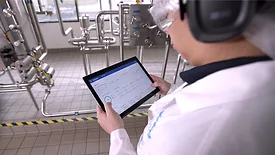
Looking Toward Water-Smart Cleaning and Sanitation
Food and beverage plants are notoriously wasteful of water, and while the overarching call is to reduce water usage, cleaning/sanitation operations is a good place to start.
Read More

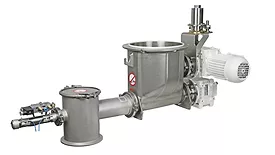

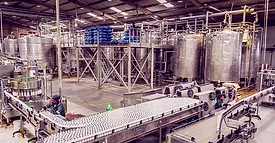
FOOD ENGINEERING’s Top 10 New Plant Products of 2025
We’ve compiled the Top 10 processing and packaging equipment solutions FOOD ENGINEERING’s readers were most interested in this year.
Read More


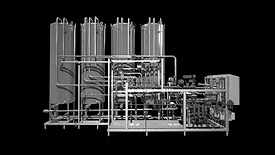


Fighting the Foodborne Bacteria War with Cleaning and Sanitation
There are several cleaning and sanitation methods—each with their own unique capabilities. Combining methods with a plan in place can help ensure that products are safe and the facility and its equipment are free of foodborne bacteria
Read More