Food Engineering logo
search
cart
facebook twitter linkedin youtube
  • Sign In
  • Create Account
  • Sign Out
  • My Account
Food Engineering logo
  • NEWS
    • Latest Headlines
    • Manufacturing News
    • People & Industry News
    • Plant Openings
    • Recalls
    • Regulatory Watch
    • Supplier News
  • PRODUCTS
    • New Plant Products
    • New Retail Products
  • TOPICS
    • Alternative Protein
    • Automation
    • Cannabis
    • Cleaning | Sanitation
    • Cross-Functional Food Innovation
    • Fabulous Food Plants
    • Food Safety
    • Maintenance Strategies
    • OEE
    • Packaging
    • Sustainability
    • More
  • EXCLUSIVES
    • Plant Construction Survey
    • Plant of the Year
    • Sustainable Plant of the Year
    • State of Food Manufacturing
    • Top 100 Food & Beverage Companies
  • MEDIA
    • Podcasts
    • Videos
    • Webinars
    • White Papers
  • FOOD MASTER
  • EVENTS
    • Food Automation & Manufacturing Symposium and Expo
    • Industry Events
  • RESOURCES
    • Newsletter
    • Custom Content & Marketing Services
    • FE Store
    • Government Links
    • Industry Associations
    • Market Research
    • Sponsor Insights
    • Classified Ads
  • EMAGAZINE
    • eMagazine
    • Archive Issue
    • Advertise
  • SIGN UP!
Food SafetyProcessing

Exploring the Impact of Food Fraud

Fraudulent practices can take advantage of premium prices associated with organic products.
By Stewart Beer
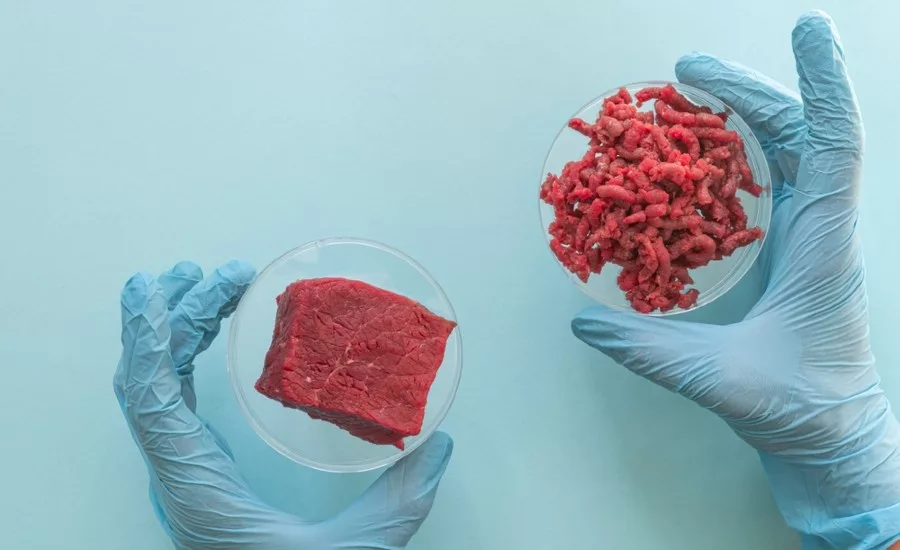
Hand with rubber gloves holding meat

Image courtesy of Electrix/Shutterstock.

April 24, 2024

According to estimates from the Food and Drug Administration (FDA), food fraud could affect at least 1% of the global food industry, costing as much as $40 billion. It’s a much more common issue than many may think, and it has knock-on effects on both consumers and the farming industry producing the food.

But where is the point of origin for this fraud? And how badly is it affecting the global food industry beyond the monetary loss? Electrix, a leading global supplier of electrical junction boxes that works closely with the industry, has offered expert insight into food fraud throughout the country and how it connects with other regions around the world.

A brief intro to food fraud

Food fraud is a concept that’s been around for a long time, but it cannot be stated enough how negative an impact it has on organic farming in America. Fraudulent practices in the food industry can seek to take advantage of the premium prices associated with organic products, especially as they can cost around 21% more than their conventional equivalents.

The fraudulent practices that can occur tend to be around the mislabeling of products as organic when the production of them is anything but organic. Similarly, actual organic products could be diluted and watered down with non-organic alternatives, or even fake organic certification could be used on the packaging.

Not only are consumers tricked into paying higher prices for products that aren’t within the guidelines required to be labeled as organic, but it can also affect their trust in organic food. This can have a huge knock-on effect on the farming sector, as legitimate organic farmers cannot face up to the fraudulent competition, which can be a massive risk to their livelihood.

The connection with France and the rest of the globe

To understand how large the issue of food fraud is, we must look at its implications around the world and how the supply chain in the industry is affected. France is an example and has a key connection with America, as many products sold on our grocery store shelves are imported and sourced from international markets such as Europe.

Because of the higher prices associated with organic products and their shipments overseas, there have been scandals around fraudulent foods being misrepresented as organic, making their way from countries like France to our shores. 

The crackdown on food fraud in these countries can be seen in how those caught are being handled, such as a court in Marseille sentencing 15 people for their involvement in a network that allegedly sold meat from horses banned from the supply chain to butchers that may have been unfit for consumption. This comes as a result of traffickers of the animals falsifying documents and passports to reintroduce the animals to the supply chain.

Tackling the fraud at the source

It’s important to maintain the trust between organic farmers and both the consumers and distributors of their products, which is why cutting off food fraud at the source is crucial. How this can be done involves a multitude of approaches:

Strengthening regulations: Collaborative efforts to create and maintain international relationships that aim to enforce standards and consistency for organic foods is key to discovering food fraud cases before they develop into scandals.

Transparency in the supply chain: By implementing traceability measures throughout the supply chain, fraudulent processes and activities can be deterred. Introducing innovations such as blockchain technology can provide a decentralized and tamper-resistant ledger that offers real-time information about the transportation of organic food products from farm to table.

Innovating and implementing new technologies: Technology has advanced to the point where testing the DNA is possible and can be used to identify how authentically organic a food product is. Being able to compare the genetic makeup of a product against what is expected of an organic version can help authorities identify if any fraud has occurred.

Smart packaging: Through implementing smart packaging solutions within the production process, consumers can access detailed information about where the product comes from, as well as certifications and testing results. This allows consumers to make informed choices about the products they’re purchasing. This can be done by attaching QR codes or RFID tags to the packaging that consumers can scan.

More education for consumers: To improve consumer awareness of the risks posed by food fraud in organic farming, further education is necessary. This could be done through awareness campaigns to give consumers a better insight into how the products they purchase affect the industry.

Supporting local farmers:Localizing processes and production can help protect and support certified organic farmers while fostering community. Creating a direct connection between the producers and the consumers cuts out the middleman created by international supply chains and reduces the chance of fraud occurring.

Food fraud shouldn’t be disregarded, and the serious nature of its impact should be taken as seriously as other forms of fraud. Protecting organic farming throughout the country and guarding its reputation will help connect consumers with producers and establish a bond of trust and loyalty that will stimulate the economy and help develop communities.

KEYWORDS: food fraud organic

Share This Story

Looking for a reprint of this article?
From high-res PDFs to custom plaques, order your copy today!

Stewart beer electrix

Stewart Beer is site manager at Electrix International.

Recommended Content

JOIN TODAY
to unlock your recommendations.

Already have an account? Sign In

  • CJ Schwan’s Salina facility.

    Recipe for Growth: How CJ Schwan’s Powers Pizza Production with People and Automation

    Blending advanced automation with purposeful design, this...
    Cross-Functional Food Innovation
    By: Alyse Thompson-Richards
  • Paris Baguette rendering

    FOOD ENGINEERING’s 49th Annual Plant Construction Survey

    Food and beverage manufacturers continue to invest in...
    Plant Construction Survey
    By: Alyse Thompson-Richards
  • Bottling machine

    How Optical and X-Ray Inspection Supports Bottling Safety and Quality

    By transitioning from legacy single-technology systems to...
    Food Safety
    By: Dan McKee
Manage My Account
  • eMagazine
  • Newsletter
  • Online Registration
  • Manage My Preferences
  • Customer Service

More Videos

Sponsored Content

Sponsored Content is a special paid section where industry companies provide high quality, objective, non-commercial content around topics of interest to the Food Engineering audience. All Sponsored Content is supplied by the advertising company and any opinions expressed in this article are those of the author and not necessarily reflect the views of Food Engineering or its parent company, BNP Media. Interested in participating in our Sponsored Content section? Contact your local rep!

close
  • Worker in protective food-processing attire uses a tablet beside stainless-steel conveyor equipment in a modern food manufacturing facility.
    Sponsored bySafetyChain

    Your Biggest Losses Are Hiding in Data You Already Have

  • Stainless steel conveyor system transferring cut food pieces—likely pasta or fries—through an enclosed industrial processing line using a flexible hose and screw conveyor in a manufacturing facility.
    Sponsored byHapman

    What’s Slowing Down Your Bulk Material Handling Process?

  • AI-enhanced technology in CIP operations
    Sponsored byEcolab

    Using AI to unlock new value from your CIP processes

Popular Stories

Little Sesame staff standing outside at the opening of its new facility in Capitol Heights, Maryland with a ribbon-cutting ceremony.

All Roads Lead to Growth for Hummus Maker Little Sesame

Ecolab CIP IQ

Looking Toward Water-Smart Cleaning and Sanitation

A-B Williamsburg Brewery

Anheuser-Busch Invests $5.8M in Virginia Brewery

Promo for the 2026 Plant of the Year: CJ Shwan

Events

June 17, 2025

Refrigerated & Frozen Foods’ State of the Cold Chain

On Demand Kelley Rodriguez, Editor in Chief of Refrigerated & Frozen Foods, will be joined in this 60-minute webinar by industry experts to help unpack the latest research.

July 23, 2025

Decarbonizing Process Heat: What You Should Know and Next Steps

On Demand Driven by climate goals, business risk, client interest, and resilience considerations, food and beverage companies are increasingly turning their attention to decarbonizing their production processes.

View All Submit An Event

Products

Recent Advances in Ready-to-Eat Food Technology

Recent Advances in Ready-to-Eat Food Technology

See More Products

June 10 Hapman Webinar: Dust, Damage, and Downtime: Designing Bulk Solids Systems That Protect Product and People


CHECK OUT OUR NEW ESSENTIAL TOPICS

Alternative ProteinAutomationCleaning/SanitationFabulous Food Plants

Food SafetyMaintenance StrategiesOEE

PackagingSustainability

Related Articles

  • Woman engineer on construction site

    Exploring the Impact of Women Engineers on the Food Industry

    See More
  • Robots

    The human impact of robots in food

    See More
  • A vertical farm

    The Impact of AgriTech on the Food Manufacturing Industry

    See More

Related Products

See More Products
  • The 10 Principles of Food Industry Sustainability

  • handbookfoodscience.jpg

    Handbook of Food Science and Technology 2: Food Process Engineering and Packaging

  • food engineering.jpg

    Handbook of Food Engineering, Third Edition

See More Products
×

Elevate your expertise in food engineering with unparalleled insights and connections.

Get the latest industry updates tailored your way.

JOIN TODAY!
  • RESOURCES
    • Advertise
    • Contact Us
    • Food Master
    • Store
    • Want More
  • SIGN UP TODAY
    • Create Account
    • eMagazine
    • Newsletter
    • Customer Service
    • Manage Preferences
  • SERVICES
    • Marketing Services
    • Reprints
    • Market Research
    • List Rental
    • Survey/Respondent Access
  • STAY CONNECTED
    • LinkedIn
    • Facebook
    • YouTube
    • X (Twitter)
  • PRIVACY
    • PRIVACY POLICY
    • TERMS & CONDITIONS
    • DO NOT SELL MY PERSONAL INFORMATION
    • PRIVACY REQUEST
    • ACCESSIBILITY

Copyright ©2026. All Rights Reserved BNP Media, Inc. and BNP Media II, LLC.

Design, CMS, Hosting & Web Development :: ePublishing