Regulatory Update
FDA Approves Gardenia Blue Color Additive
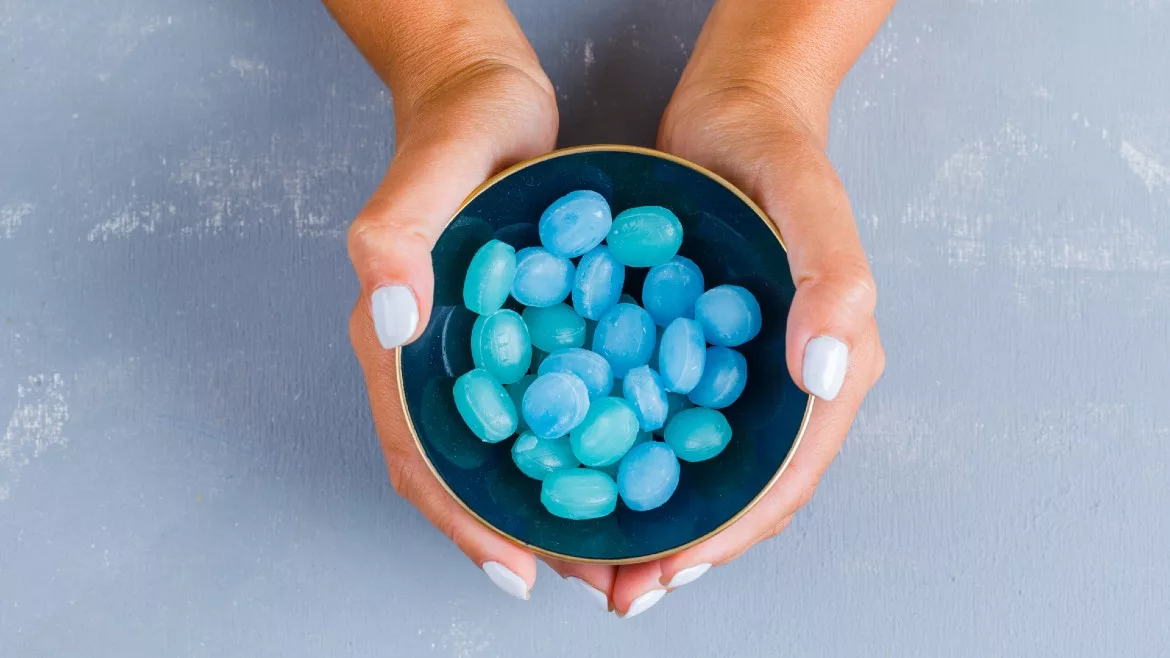
Image courtesy of Freepik.
The U.S. Food and Drug Administration has granted Gardenia Blue Interest Group’s (GBIG) color additive petition to use the color gardenia (genipin) blue in various foods at levels consistent with good manufacturing practice.
It is the fourth color derived from natural sources approved by the FDA for use in foods in the last two months. The FDA action is in line with U.S. Department of Health and Human Services Secretary Robert F. Kennedy, Jr.’s aim to work with industry to phase out the use of all synthetic, petroleum-based dyes from the nation’s food supply.
Since Kennedy announced a series of measures in April to phase out petroleum-based synthetic dyes in food, about 40% of the food industry has committed to a voluntary phase-out of such dyes, the FDA reports.
Gardenia (genipin) blue is derived from the fruit of the gardenia, a flowering evergreen. The FDA has approved the color additive for use in sports drinks, flavored or enhanced non-carbonated water, fruit drinks and ades, ready-to-drink teas, hard candy, and soft candy.
“This expedited timeline underscored our serious intent to transition away from petroleum-based synthetic dyes in the food supply,” says FDA Commissioner Marty Makary. “Now, by expanding the palette of available colors derived from natural sources, food manufacturers have a variety of options available that will make it easier to end their use of petroleum-based dyes.”
The three colors derived from natural sources approved in May include:
- Galdieria extract blue, a blue colorant derived from the unicellular red algae Galdieria sulphuraria
- Calcium phosphate, a white powder
- Butterfly pea flower extract, a blue color that can be used to achieve a range of shades including bright blues, intense purple and natural greens
Under section 721 of the Federal Food, Drug, and Cosmetic Act, color additives must be FDA-approved before they may be used in foods. The FDA determines whether a color additive is safe to use by considering the projected human dietary exposure to the color additive, the additive’s toxicological data, and other relevant information, such as published literature. Once the FDA approves a color additive, any manufacturer can use the coloring in accordance with the conditions of use.
In addition to approving a new color additive, the FDA also announced today that it had sent a letter to manufacturers encouraging them to accelerate the phase-out of FD&C Red No. 3 in foods, including dietary supplements, sooner than the Jan. 15, 2027, required deadline. This earlier phase-out was another of the series of measures introduced by Secretary Kennedy in April.
On July 11, the Consumer Brands Association announced its voluntary commitment to encourage food and beverage manufacturers to remove certified Food, Drug & Cosmetic (FD&C) colors from products served in schools nationwide by the start of the 2026–2027 school year.
“While these safe ingredients are supported by scientific evidence and a longstanding history of approval by the FDA, the industry recognizes preferences are evolving and is innovating to meet families where they are,” says Melissa Hockstad, president and CEO of Consumer Brands. “Representing the makers of America’s trusted brands, an industry supporting more than 22 million American jobs, we will continue to work with the administration to achieve federal uniformity on these critical consumer safety and transparency issues.”
Looking for a reprint of this article?
From high-res PDFs to custom plaques, order your copy today!