Food Engineering logo
search
cart
facebook twitter linkedin youtube
  • Sign In
  • Create Account
  • Sign Out
  • My Account
Food Engineering logo
  • NEWS
    • Latest Headlines
    • Manufacturing News
    • People & Industry News
    • Plant Openings
    • Recalls
    • Regulatory Watch
    • Supplier News
  • PRODUCTS
    • New Plant Products
    • New Retail Products
  • TOPICS
    • Alternative Protein
    • Automation
    • Cannabis
    • Cleaning | Sanitation
    • Cross-Functional Food Innovation
    • Fabulous Food Plants
    • Food Safety
    • Maintenance Strategies
    • OEE
    • Packaging
    • Sustainability
    • More
  • EXCLUSIVES
    • Plant Construction Survey
    • Plant of the Year
    • Sustainable Plant of the Year
    • State of Food Manufacturing
    • Top 100 Food & Beverage Companies
  • MEDIA
    • Podcasts
    • Videos
    • Webinars
    • White Papers
  • FOOD MASTER
  • EVENTS
    • Food Automation & Manufacturing Symposium and Expo
    • Industry Events
  • RESOURCES
    • Newsletter
    • Custom Content & Marketing Services
    • FE Store
    • Government Links
    • Industry Associations
    • Market Research
    • Sponsor Insights
    • Classified Ads
  • EMAGAZINE
    • eMagazine
    • Archive Issue
    • Advertise
  • SIGN UP!
Food Safety

The Most Critical Supply Chain Issues Today Are About Health and Safety, Not Just Availability
By Zachary A. Collier
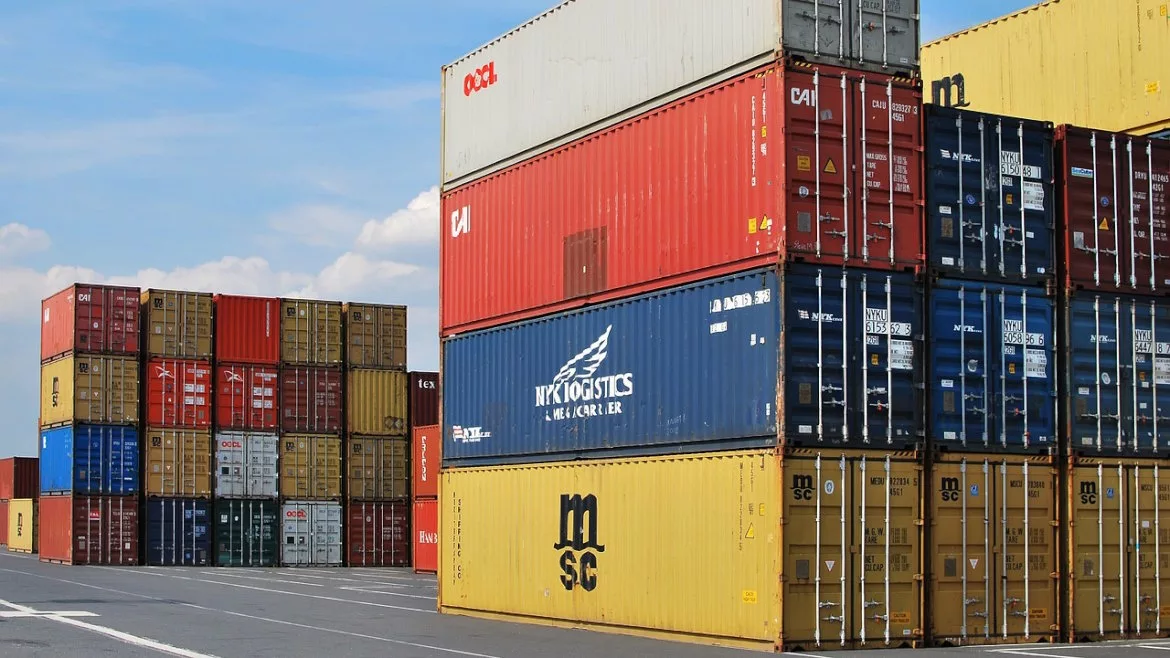
Shipping containers
Image by Jarosław Bialik from Pixabay
November 27, 2024

Supply chains enable and deliver the various products that we buy every day, and most of the time everything works out fine: customers get the products they want, when and where they want them. But sometimes something along the way goes awry, such as in recent examples like McDonald’s Quarter Pounders, Boar’s Head lunch meats, smoked salmon and frozen waffles, which have been linked to potentially deadly diseases like E. coli, listeria and salmonella. 

Why does it seem like more things are being recalled? One of the main culprits is supply chain complexity. In the case of food, supply chains have been growing longer and more complicated. When the number of steps in any process increases, the number of opportunities for something to go wrong also goes up. Additionally, advances in technology have allowed our ability to detect microbial contaminants in food to progress, making it appear that outbreaks are increasing in frequency. While the U.S. is ranked near the top of all nations when it comes to food safety, it will never be perfect due to the complexity of the supply chain and the nature of contamination. 

The term “supply chain” can sometimes give the impression of a simple and linear “chain” of events, when supply chains are often really more like complex webs. What then can be done to manage supply chains in an environment of complexity?

Technology: Technological advances, including predictive analytics, can help organizations across the supply chain to aggregate and visualize data, understand trends, identify problems and optimize operations. Supply chain data, when shared between partners, can provide visibility into conditions related to markets, sales and production schedules, which support forecasting and contingency planning. Internet of things (IoT) systems, cloud platforms and other analytics-driven systems enable companies to generate and share data that can paint a clearer picture of what is going on within the supply chain. 

Traceability: Organizations with the capability to identify, track and trace products throughout the supply chain can combat complexity by understanding where goods are, where they have been and where they are going. This enhanced visibility can aid in troubleshooting the root causes of problems, such as recalls. Traceability can also support risk management by identifying where potential disruptions are likely to occur. 

Trust: Building a team of trusted suppliers across the supply chain is key to cutting through complexity. Viewing suppliers as long-term partners fosters cooperation. This cooperation means that suppliers are more likely to be willing to share data that aids in planning and to offer extra support in difficult circumstances. Companies that are viewed as trustworthy outperform their less-trustworthy peers on metrics like market value, customer loyalty and employee motivation. Trusted suppliers demonstrate reliability and instill confidence in the integrity of the supply chain 

Complexity in supply chains isn’t going away, but it doesn’t have to be a barrier to effective supply chain management. By leveraging technology, enhancing traceability and building trust, organizations can tame the complexity of modern supply chains.

KEYWORDS: health Supply Chain technology

Share This Story

Looking for a reprint of this article?
From high-res PDFs to custom plaques, order your copy today!

Zachary collier 350

Zachary A. Collier is an assistant professor of management at Radford University, and a visiting scholar at the Center for Hardware and Embedded Systems Security and Trust (CHEST).

Recommended Content

JOIN TODAY
to unlock your recommendations.

Already have an account? Sign In

  • CJ Schwan’s Salina facility.

    Recipe for Growth: How CJ Schwan’s Powers Pizza Production with People and Automation

    Blending advanced automation with purposeful design, this...
    Cross-Functional Food Innovation
    By: Alyse Thompson-Richards
  • Paris Baguette rendering

    FOOD ENGINEERING’s 49th Annual Plant Construction Survey

    Food and beverage manufacturers continue to invest in...
    Plant Construction Survey
    By: Alyse Thompson-Richards
  • Bottling machine

    How Optical and X-Ray Inspection Supports Bottling Safety and Quality

    By transitioning from legacy single-technology systems to...
    Food Safety
    By: Dan McKee
Manage My Account
  • eMagazine
  • Newsletter
  • Online Registration
  • Manage My Preferences
  • Customer Service

More Videos

Sponsored Content

Sponsored Content is a special paid section where industry companies provide high quality, objective, non-commercial content around topics of interest to the Food Engineering audience. All Sponsored Content is supplied by the advertising company and any opinions expressed in this article are those of the author and not necessarily reflect the views of Food Engineering or its parent company, BNP Media. Interested in participating in our Sponsored Content section? Contact your local rep!

close
  • Worker in protective food-processing attire uses a tablet beside stainless-steel conveyor equipment in a modern food manufacturing facility.
    Sponsored bySafetyChain

    Your Biggest Losses Are Hiding in Data You Already Have

  • Stainless steel conveyor system transferring cut food pieces—likely pasta or fries—through an enclosed industrial processing line using a flexible hose and screw conveyor in a manufacturing facility.
    Sponsored byHapman

    What’s Slowing Down Your Bulk Material Handling Process?

  • AI-enhanced technology in CIP operations
    Sponsored byEcolab

    Using AI to unlock new value from your CIP processes

Popular Stories

Little Sesame staff standing outside at the opening of its new facility in Capitol Heights, Maryland with a ribbon-cutting ceremony.

All Roads Lead to Growth for Hummus Maker Little Sesame

Ecolab CIP IQ

Looking Toward Water-Smart Cleaning and Sanitation

A-B Williamsburg Brewery

Anheuser-Busch Invests $5.8M in Virginia Brewery

Promo for the 2026 Plant of the Year: CJ Shwan

Events

June 17, 2025

Refrigerated & Frozen Foods’ State of the Cold Chain

On Demand Kelley Rodriguez, Editor in Chief of Refrigerated & Frozen Foods, will be joined in this 60-minute webinar by industry experts to help unpack the latest research.

July 23, 2025

Decarbonizing Process Heat: What You Should Know and Next Steps

On Demand Driven by climate goals, business risk, client interest, and resilience considerations, food and beverage companies are increasingly turning their attention to decarbonizing their production processes.

View All Submit An Event

Products

Recent Advances in Ready-to-Eat Food Technology

Recent Advances in Ready-to-Eat Food Technology

See More Products

June 10 Hapman Webinar: Dust, Damage, and Downtime: Designing Bulk Solids Systems That Protect Product and People


CHECK OUT OUR NEW ESSENTIAL TOPICS

Alternative ProteinAutomationCleaning/SanitationFabulous Food Plants

Food SafetyMaintenance StrategiesOEE

PackagingSustainability

Related Articles

  • Fresh water shouldn't be taken for granted

    Treat water as the most critical—and potentially expensive—ingredient you use

    See More
  • Bridget van Kralingen, senior vice president, IBM Industry Platforms

    Blockchain technology a solution for supply chain traceback issues

    See More
  • Not (just) about size

    See More

Related Products

See More Products
  • small-occ.jpg

    Occupational Health and Safety in the Food and Beverage Industry

  • fe.jpg

    Food Engineering: Emerging Issues, Modeling, and Applications

  • food crime.jpg

    Food Crime: An Introduction to Deviance in the Food Industry

See More Products
×

Elevate your expertise in food engineering with unparalleled insights and connections.

Get the latest industry updates tailored your way.

JOIN TODAY!
  • RESOURCES
    • Advertise
    • Contact Us
    • Food Master
    • Store
    • Want More
  • SIGN UP TODAY
    • Create Account
    • eMagazine
    • Newsletter
    • Customer Service
    • Manage Preferences
  • SERVICES
    • Marketing Services
    • Reprints
    • Market Research
    • List Rental
    • Survey/Respondent Access
  • STAY CONNECTED
    • LinkedIn
    • Facebook
    • YouTube
    • X (Twitter)
  • PRIVACY
    • PRIVACY POLICY
    • TERMS & CONDITIONS
    • DO NOT SELL MY PERSONAL INFORMATION
    • PRIVACY REQUEST
    • ACCESSIBILITY

Copyright ©2026. All Rights Reserved BNP Media, Inc. and BNP Media II, LLC.

Design, CMS, Hosting & Web Development :: ePublishing