Considerations for Turning to Plastic Pallets and Totes

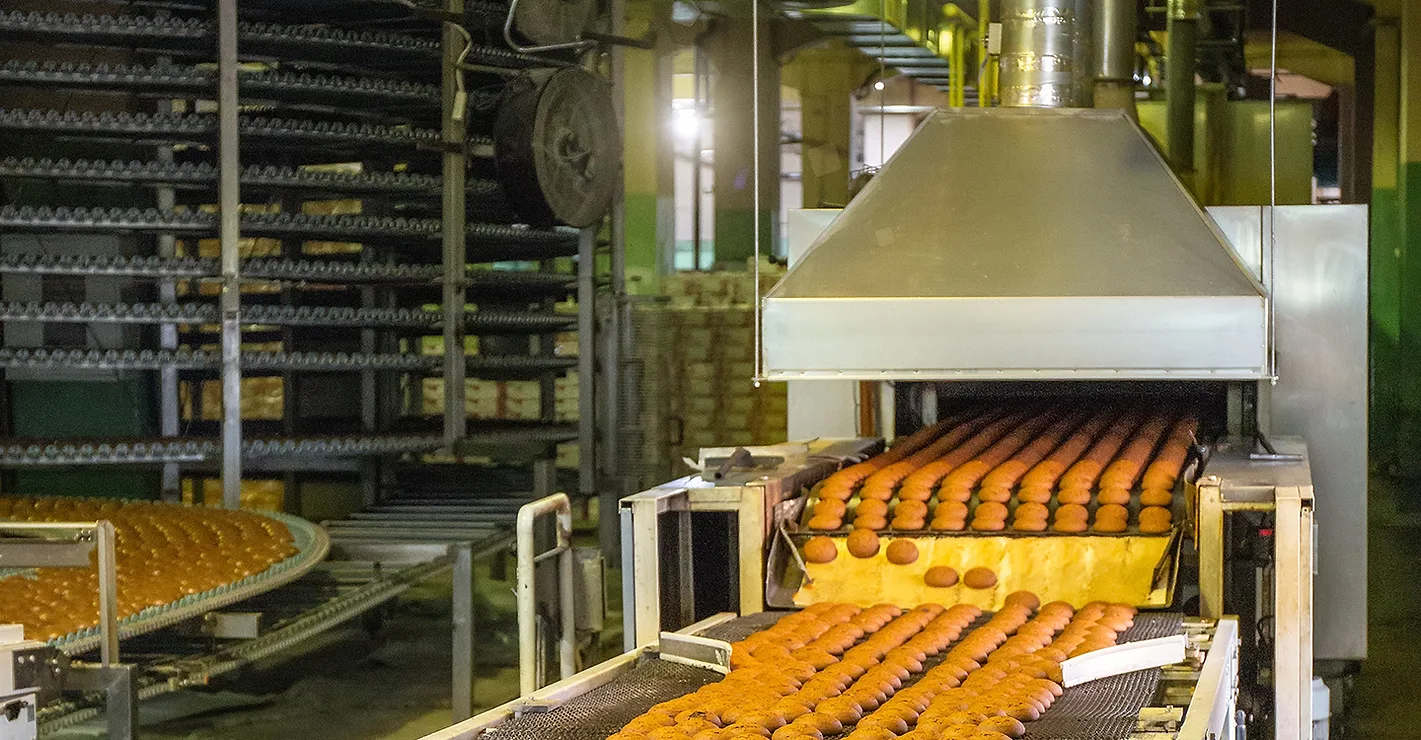
Photo courtesy of iStock/Getty Images Plus.
As we continue to focus on sustainability and waste elimination from manufacturing to end customers’ doorsteps, returnable packaging such as plastic pallets and plastic totes will continue to play an increasingly larger part in the supply chain.
Plastic pallets and plastic totes provide enhanced durability and reusability, making them the sustainable option for manufacturers looking to reduce their environmental impact while maintaining high hygiene standards. As more companies prioritize eco-friendly solutions, reusable plastic pallets and totes offer a way to move toward sustainability without compromising safety.
Here are a series of factors to consider when determining the right pallet and tote for your business.
Design
The design of plastic pallets plays a pivotal role in maintaining sanitary conditions in food plants. Plastic pallets are designed to keep both equipment and plants clean, by reducing the risk of wood chips, debris and dust associated with wood pallets. Plastic pallets feature smooth surfaces, minimal cavities and rounded edges that can prevent water and other debris from accumulating.
According to a report from World Metrics, around 25% of warehouses globally have adopted some form of automation, with about 30% of these facilities incorporating robotics . The uniform design and durability of plastic pallets make them particularly suited to automated material handling and storage systems, helping companies optimize their operations.
Material Selection
Selecting the right material is as important as the design. Advanced materials used in plastic pallets are not only durable but also meet stringent food safety standards set out by the Food Safety Modernization Act (FSMA).
FSMA regulations emphasize sanitary transportation practices and foodborne illness prevention, requiring proper cleaning, maintenance and storage of food-contact surfaces, including pallets. Plastic pallets made from food-safe, compliant materials can safely be used in direct contact with food products without risking contamination.
Unlike wood pallets, which can absorb moisture and other materials, plastic pallets are non-porous, making them easy to clean and sanitize, significantly reducing the contamination risk across the supply chain. In industries where food safety is crucial, this shift is a major improvement.
Technological Innovations Impacting Performance and Sustainability
External factors can also impact your selection. For example, automated systems continue to ramp up the pace of data analytics or Internet of Things (IoT) technologies. Companies want to know how to use information to see how quickly their products are moving from the warehouse, where the potential challenges are, and the amount of dwell time in the network.
We’re also seeing a greater focus on the circular economy versus a general focus on sustainability. At ORBIS Corporation, it’s about taking reusable packaging and keeping it circular — moving and reusing products as much as possible. We’ve heard many of these discussions where customers — not just the material handling equipment or packaging companies — are becoming increasingly focused on ensuring that their supply chain activities align with their circular economy goals.
What You Need for Successful Implementation
Transitioning to plastic pallets and plastic totes is a strategic decision that can yield benefits, but it requires careful planning and execution. First, it’s worthwhile to assess your specific logistical needs, including the type of goods being transported, storage conditions and handling methods. For example, plastic pallets used in freezer environments need to withstand temperature changes without compromising their integrity.
Utilizing Return on Investment (ROI) and savings calculators can help companies uncover success metrics. Data from life-cycle analysis enables customers to compare reusable and single-use packaging to calculate the environmental impact in terms of solid waste, energy usage and greenhouse gas emissions. This unbiased analysis will provide measurable data to justify the switch to reusable plastics.
A thorough assessment of your operational needs will guide the selection of the best plastic pallets and plastic totes for your business. As companies are investing in their automation, not only will they need reusable products that integrate with their automation systems, they will often need reusable packaging in other areas of their supply chain, such as pallets for inbound and outbound shipping or attached lid containers for distribution to retail. It is important to take a holistic look at the supply chain for opportunities to drive system efficiencies.
Equally important is employee training on proper pallet and tote handling and maintenance to ensure products remain in optimal condition and continue to support sanitary operations. Employees need to be educated on proper pallet handling, cleaning and maintenance protocols to ensure the pallets remain in optimal condition. Taking care of these valuable assets is critical for long-term success.
Remember that reusable packaging management services are often available to support the implementation. Commercial financing is available for large programs to offset capital investments and support cash flow. Financing can often be bundled with other aspects of the program, as well.
Looking for a reprint of this article?
From high-res PDFs to custom plaques, order your copy today!