Food Engineering logo
search
cart
facebook twitter linkedin youtube
  • Sign In
  • Create Account
  • Sign Out
  • My Account
Food Engineering logo
  • NEWS
    • Latest Headlines
    • Manufacturing News
    • People & Industry News
    • Plant Openings
    • Recalls
    • Regulatory Watch
    • Supplier News
  • PRODUCTS
    • New Plant Products
    • New Retail Products
  • TOPICS
    • Alternative Protein
    • Automation
    • Cannabis
    • Cleaning | Sanitation
    • Cross-Functional Food Innovation
    • Fabulous Food Plants
    • Food Safety
    • Maintenance Strategies
    • OEE
    • Packaging
    • Sustainability
    • More
  • EXCLUSIVES
    • Plant Construction Survey
    • Plant of the Year
    • Sustainable Plant of the Year
    • State of Food Manufacturing
    • Top 100 Food & Beverage Companies
  • MEDIA
    • Podcasts
    • Videos
    • Webinars
    • White Papers
  • FOOD MASTER
  • EVENTS
    • Food Automation & Manufacturing Symposium and Expo
    • Industry Events
  • RESOURCES
    • Newsletter
    • Custom Content & Marketing Services
    • FE Store
    • Government Links
    • Industry Associations
    • Market Research
    • Sponsor Insights
    • Classified Ads
  • EMAGAZINE
    • eMagazine
    • Archive Issue
    • Advertise
  • SIGN UP!
PackagingSustainability

Benefits of aluminum vs steel: from environmental impacts to meeting consumer needs

By Brandon Bach
Benefits of aluminum vs steel: from environmental impacts to meeting consumer needs
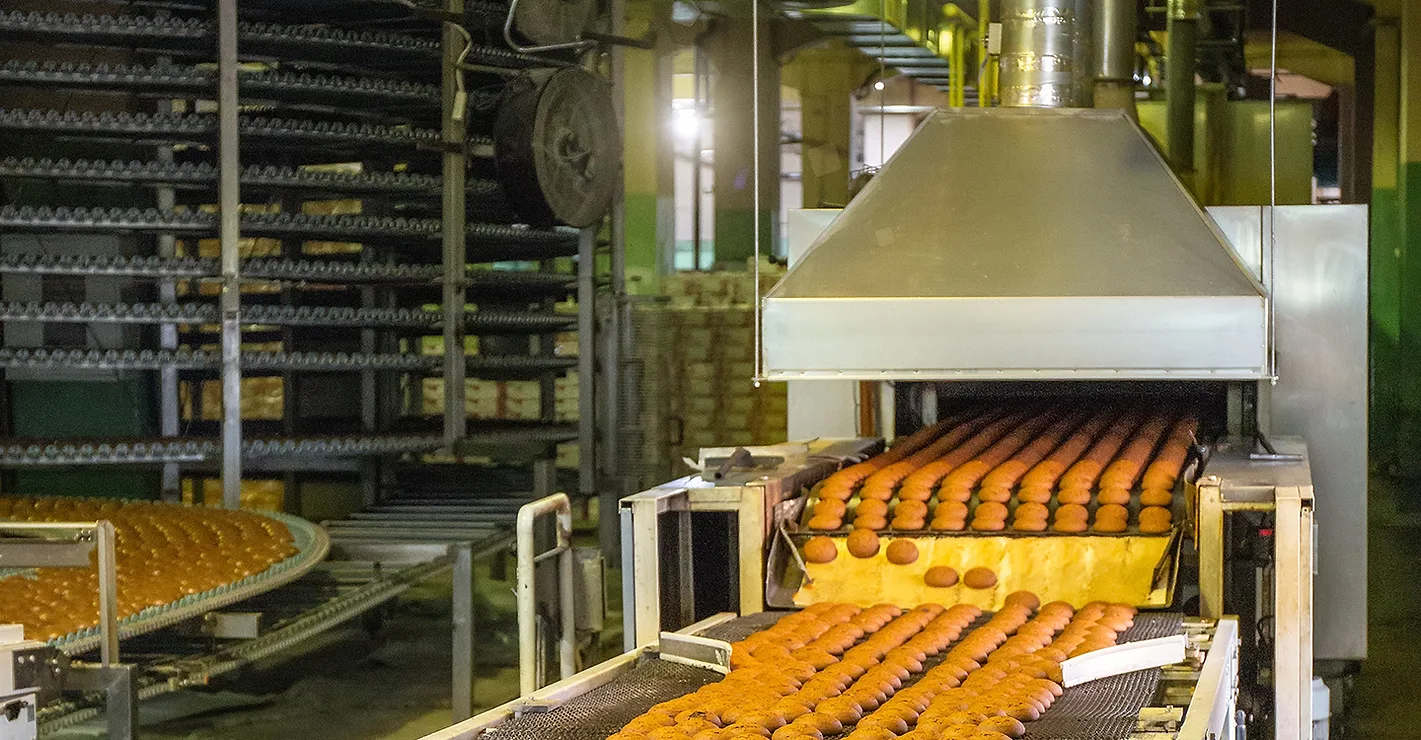
Photo courtesy of Getty Images/KariHoglund
October 26, 2021

Transparency in products remains important to consumers. They want to know where the everyday products they purchase are coming from, what they are made of and if they fit their shopping preferences. According to a study from Nielsen and Label Insight, 39% of shoppers would be willing to switch brands to start using products with more transparent labels, meaning they want to know more about the product sourcing information.

One of the biggest forms of transparency that consumers want is a look inside a company’s sustainability efforts. Previously, packaging companies relied on retailers and brands to deliver messaging about waste, recycling and circularity. But now, under pressure from NGOs and other groups to reduce waste, the packaging industry is having to address consumers directly. Because of this, many companies are looking for alternative materials for packaging options.

Making small changes in the materials that companies use can result in large sustainability impacts. One material that is being phased away is steel. Many packaging companies have found a more durable and sustainable alternative that is just as cost-efficient.


Making the switch to aluminum packaging

Aluminum has proven to be a trending new alternative to steel, especially in products such as electronics, building parts and even jar lids. Aluminum is at the top of the recycling chain and can easily be recycled without damaging its durability and quality. Because of this, brands are starting to make the switch to aluminum from other metal packaging that has traditionally been used. In fact, according to The Aluminum Association, more than two-thirds of all aluminum that has been produced in the world is still in use today.


The sustainability benefits of aluminum

Unlike steel, the process of recycling aluminum requires less energy and time. The Aluminum Association also found that “Aluminum is 100 percent recyclable and retains its properties indefinitely. Aluminum is one of the only materials in the consumer disposal stream that more than pays for the cost of its own collection.”

When using materials like steel in packaging, the metals tend to corrode, causing packaging companies to spend additional money on coatings. Plastisol is a liquid that can be heated to form a flexible and rubber-like material that is widely used for a number of packaging needs, including sealing lids to jars. If any metal exposure is present when producing a product like jar lids, it can form corrosion from curing the plastisol to the coating. Most jar lid manufacturers will put a coating over the metal to prevent corrosion do to the acidity of the product being placed in the jar.

Although it sounds like an easy fix, plastisol and other coatings can add up in cost, slow production lines exponentially, and create even worse impacts on the environment.


How does aluminum hold up against steel?

For companies who are on the fence about making the switch to aluminum, the benefits of this material go way beyond sustainability. The cost of recycled aluminum is far less expensive than that of steel, allowing manufacturers to purchase materials that save them money without sacrificing quality.

As far as corrosion, aluminum actually holds up better than steel. The material does not rust easily and does not need additional coatings to maintain its quality. In contrast, steel tends to corrode and rust at a much faster rate. Because of this, manufacturers sacrifice the quality of their goods when it comes to shipping products to different environments. Numerous factors such as air quality or abrasive shipping methods can test the durability of steel and potentially cost manufacturers to replace goods.

Additionally, with the rise of e-commerce sales stemming from COVID-19, more and more consumers are opting to shop online. This means that manufacturers should prepare to see an increase in shipments, especially as we approach the busy holiday season for retailers. Because of this, many packaging companies are considering aluminum due to its light weight, which allows manufacturers to maximize the amount of product that can be shipped at once. Aluminum is shockingly one-third of the weight of steel, making it an easy choice for manufacturers to consider.


Meeting consumer needs

It’s crucial packaging companies and manufacturers are listening to consumer needs and taking them into account when it comes to producing a product. Practicing material transparency and emphasizing sustainability efforts will both put companies in a better position when it comes to meeting consumer needs and matching their shopping preferences.

In a study by IBM, it showed that 57% of consumers wanted to change their shopping habits to help reduce negative environmental impacts. The switch to sustainable materials—like aluminum—is only projected to increase as consumers continue to shop with sustainability in mind.

Overall, the benefits of aluminum outweigh those of steel – everything from sustainability to durability, transportation and meeting consumer needs.

KEYWORDS: aluminum packaging trends transparency

Share This Story

Looking for a reprint of this article?
From high-res PDFs to custom plaques, order your copy today!
Brandon Bach is President at CCT. He has over 18 years of experience in project management, marketing and video production. He currently serves as the president of CCT, the manufacturer of the EEASY Lid – the first major jar lid innovation in more than 75 years. Bach interacts with team members on a day-to-day basis dealing with testing, production, marketing and sales. He earned his Bachelor of Arts degree in Communication and a Minor in Business from Otterbein University in Columbus, Ohio.

Recommended Content

JOIN TODAY
to unlock your recommendations.

Already have an account? Sign In

  • FE Top100 Food & Beverage Companies hero, gold lettering with black background.

    FOOD ENGINEERING’s 2026 Top 100 Food and Beverage Companies

    See where the world’s leading food and beverage companies...
    People & Industry News
    By: Alyse Thompson-Richards
  • CJ Schwan’s Salina facility.

    Recipe for Growth: How CJ Schwan’s Powers Pizza Production with People and Automation

    Blending advanced automation with purposeful design, this...
    Plant of the Year
    By: Alyse Thompson-Richards
  • Paris Baguette rendering

    FOOD ENGINEERING’s 49th Annual Plant Construction Survey

    Food and beverage manufacturers continue to invest in...
    Plant Construction Survey
    By: Alyse Thompson-Richards
Manage My Account
  • eMagazine
  • Newsletter
  • Online Registration
  • Manage My Preferences
  • Customer Service

More Videos

Sponsored Content

Sponsored Content is a special paid section where industry companies provide high quality, objective, non-commercial content around topics of interest to the Food Engineering audience. All Sponsored Content is supplied by the advertising company and any opinions expressed in this article are those of the author and not necessarily reflect the views of Food Engineering or its parent company, BNP Media. Interested in participating in our Sponsored Content section? Contact your local rep!

close
  • Close-up of a group of freshly baked stuffed empanadas being transferred onto a conveyor belt.
    Sponsored byDorner

    Smarter Line Design Improves Food Manufacturing Efficiency and Throughput

  • An old and tattered manual titled 'Revised 5/20/1971' on a desk along with a cellphone, sunglasses, Apple iWatch, laptop and keyboard, and a water bottle.
    Sponsored byEnSight Solutions

    Redefining Quality: Has the Industry Lost Sight of What Actually Matters?

  • Worker in protective food-processing attire uses a tablet beside stainless-steel conveyor equipment in a modern food manufacturing facility.
    Sponsored bySafetyChain

    Your Biggest Losses Are Hiding in Data You Already Have

Popular Stories

FE Top100 Food & Beverage Companies hero, gold lettering with black background.

FOOD ENGINEERING’s 2026 Top 100 Food and Beverage Companies

FE August 2021 Plant of the Year: Keurig Dr Pepper Facility. Photos courtesy of Keurig Dr Pepper

Chobani to Invest $1.2B in Pennsylvania Manufacturing Campus

AB Baldwinsville Investment

Anheuser-Busch Invests $13M in New York Brewery

Graphic with text on the left: ‘Food Engineering 2026 Top 100 - Explore leaders.’ Right side: images of juice bottles and chicken on a conveyor. Bottom text 'View Rankings'.


Promo for the 2027 Plant of the Year Award

Events

September 23, 2026

An In-Depth Look at 2026's Top 100 Food and Beverage Companies

Join Lynn Dornblaser, Client Advisor at Mintel, and Alyse Thompson-Richards, Editor-in-Chief of FOOD ENGINEERING, as they break down the 2026 Top 100 Food and Beverage Companies and discuss the factors affecting this year’s rankings.

September 29, 2026

Food Safety Execution and Your Bottom Line

Explore food safety strategies that strengthen sanitation, risk management, operational efficiency, and compliance across foodservice and facility environments.

View All Submit An Event

Products

Recent Advances in Ready-to-Eat Food Technology

Recent Advances in Ready-to-Eat Food Technology

See More Products

September 23 FE Editorial Webinar


CHECK OUT OUR NEW ESSENTIAL TOPICS

Alternative ProteinAutomationCleaning/SanitationFabulous Food Plants

Food SafetyMaintenance StrategiesOEE

PackagingSustainability

Related Articles

  • man reading product label

    Manufacturing for changing consumer needs

    See More
  • Lifecycle assessment sizes up environmental impacts of products

    See More
  • Aseptic filling can save energy

    The Environmental Benefits of Aseptic Filling

    See More

Related Products

See More Products
  • gin 2.jpg

    Lessons from Gin: Business the Four Pillars Way

See More Products

Events

View AllSubmit An Event
  • August 18, 2020

    How Digital Transformation Impacts the Operational Efficiency and Sustainability of Your Business

    ON DEMAND: Over the past years, the manufacturing industry has experienced massive changes worldwide and the situation continues to evolve further. Highly informed and demanding consumers are shaping the market, supply chains keep remodelling into complex ecosystems and digital transformation keeps being a key player in revolutionizing the way manufacturer sites work.
View AllSubmit An Event
×

Elevate your expertise in food engineering with unparalleled insights and connections.

Get the latest industry updates tailored your way.

JOIN TODAY!
  • RESOURCES
    • Advertise
    • Contact Us
    • Food Master
    • Store
    • Want More
  • SIGN UP TODAY
    • Create Account
    • eMagazine
    • Newsletter
    • Customer Service
    • Manage Preferences
  • SERVICES
    • Marketing Services
    • Reprints
    • Market Research
    • List Rental
    • Survey/Respondent Access
  • STAY CONNECTED
    • LinkedIn
    • Facebook
    • YouTube
    • X (Twitter)
  • PRIVACY
    • PRIVACY POLICY
    • TERMS & CONDITIONS
    • DO NOT SELL MY PERSONAL INFORMATION
    • PRIVACY REQUEST
    • ACCESSIBILITY

Copyright ©2026. All Rights Reserved BNP Media, Inc. and BNP Media II, LLC.

Design, CMS, Hosting & Web Development :: ePublishing
