Food Engineering logo
search
cart
facebook twitter linkedin youtube
  • Sign In
  • Create Account
  • Sign Out
  • My Account
Food Engineering logo
  • NEWS
    • Latest Headlines
    • Manufacturing News
    • People & Industry News
    • Plant Openings
    • Recalls
    • Regulatory Watch
    • Supplier News
  • PRODUCTS
    • New Plant Products
    • New Retail Products
  • TOPICS
    • Alternative Protein
    • Automation
    • Cannabis
    • Cleaning | Sanitation
    • Fabulous Food Plants
    • Food Safety
    • Maintenance Strategies
    • OEE
    • Packaging
    • Sustainability
    • More
  • EXCLUSIVES
    • Plant Construction Survey
    • Plant of the Year
    • Sustainable Plant of the Year
    • State of Food Manufacturing
    • Top 100 Food & Beverage Companies
  • MEDIA
    • Podcasts
    • Videos
    • Webinars
    • White Papers
  • FOOD MASTER
  • EVENTS
    • Food Automation & Manufacturing Symposium and Expo
    • Industry Events
  • RESOURCES
    • Newsletter
    • Custom Content & Marketing Services
    • FE Store
    • Government Links
    • Industry Associations
    • Market Research
    • Classified Ads
  • EMAGAZINE
    • eMagazine
    • Archive Issue
    • Advertise
  • SIGN UP!
Latest headlinesProcessing

Soybean oil shines amidst disrupted global vegetable oil supply chains
By Mac Marshall
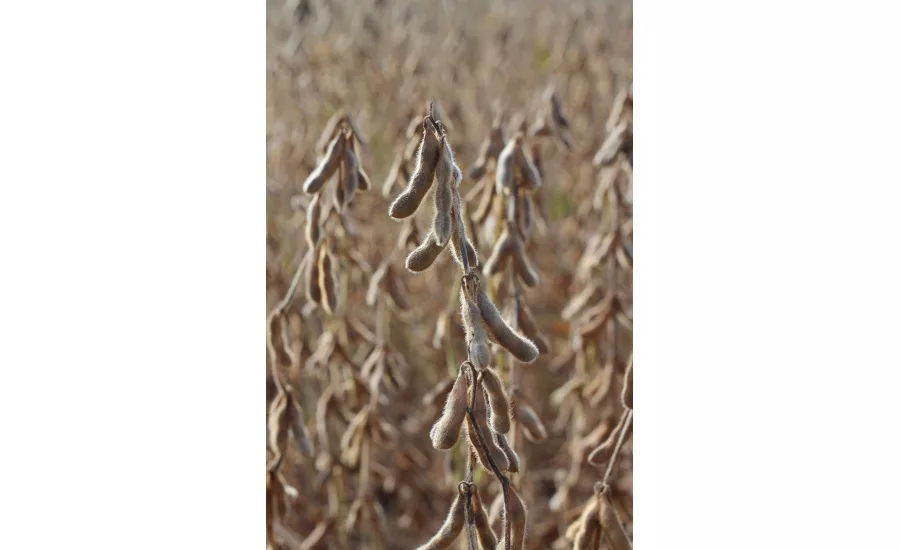
High Oleic Soybeans Ready for Harvest  - United Soybean Board.jpg

These high oleic soybeans are ready for harvest. The convergence of increasing vegetable oil demand and supply chain disruptions will continue to cause shifts in pricing for different oils, making it important for buyers to know the impact of events and oilseed growing conditions as they relate to supply and demand.

Photo courtesy of the United Soybean Board

May 27, 2022

The vegetable oil complex is a flotilla of boats navigating the tide in a pattern that for the most part keeps individual members—soybean, palm, sunflower, canola—relatively close together. Each major oil type has a relatively steady price relationship with others in the complex based on global supply and demand. Historical trends show they all remain sailing in the same general direction over time, with similar price patterns despite occasional fluctuations based on world events. Understanding the global vegetable oil complex starts with a firm grasp on the fundamentals underpinning prices for different specific oils. 

The tides on which those boats sail have changed; the world vegetable oil market is much different today than it was two years ago, and farmers and the entire soybean industry is responding to changing market signals to meet global demand. The COVID-19 pandemic, war in Ukraine and volatile weather for oilseed farmers have changed global supply chains. Those chains have stretched and sometimes broken altogether while oil demand trends higher. The boats are still sailing together, but their speed and direction doesn’t always follow past trends. And the soybean industry is stepping into a leadership role in meeting oil demand based on current market conditions.

We have to zoom out and look globally to appreciate the whole complex of oils, the price relationship among them and soybean oil’s role in the complex. Understand what happens in those different corners of the global market—the Black Sea region for sunflower oil, Canada for canola oil, Southeast Asia for palm oil and the U.S. and South America for soybean oil. It all interlaces into one complex supply chain that's challenged by a lot of factors.


A world of variables influence today’s oil market

The convergence of increasing vegetable oil demand and supply chain disruptions will continue to cause shifts in pricing for different oils, making it important for buyers to know the impact of events and oilseed growing conditions as they relate to supply and demand. For example, drought in Canada during the 2021 growing season cut that nation's canola output. COVID-19 restrictions on cross-border workforce deployment that are starting to ease in places like Malaysia, and an Indonesian ban on that nation’s exports continue to affect southeast Asian palm oil production and market availability. And the war in Ukraine is disrupting both sunflower production and the movement of the crop and oil to the global market through normal Black Sea shipping terminals.

These global factors really come more into play when you have disruptions on the supply side. When you consider all the supply chain disruptions for a litany of products, like fertilizer movement out of the Black Sea or the cut in grain exports coming out of Ukraine this year and probably the next couple years, you start to see unfortunate erosion in trust in global supply chains. But people around the world need food; while these chains will see disruptions, we can have faith this necessity will support the general availability of what everyone needs.


Oil complex pricing moving forward

Price volatility will continue in the vegetable oil complex. Costs will likely continue to fluctuate based on supply, demand, world events, crop growing conditions and periodic breaks in supply chains. 

Price volatility will continue in the vegetable oil complex. Costs will likely continue to fluctuate based on supply, demand, world events, crop growing conditions and periodic breaks in supply chains. Given these market realities, what is most critical is focusing on what you can control and what you do best and recognize the market signals will always shift. Though the individual boats in the flotilla will remain tethered to one another, market-moving signals from world events will dictate which will be best to board in meeting your vegetable oil needs in today’s marketplace. Given the above global market cues, soybean oil looks to be a lead boat in meeting world demand. 


KEYWORDS: inflation ingredients prices Supply Chain

Share This Story

Looking for a reprint of this article?
From high-res PDFs to custom plaques, order your copy today!

Mac headshot    usb

Mac Marshall is vice president, market intelligence, for the United Soybean Board (USB) and the U.S. Soybean Export Council (USSEC).

Recommended Content

JOIN TODAY
to unlock your recommendations.

Already have an account? Sign In

  • 2025 Top 100 Food and Beverage Companies

    FOOD ENGINEERING’s 2025 Top 100 Food and Beverage Companies

    While sales were largely down under dynamic economic and...
    Top 100 Food & Beverage Companies
    By: Alyse Thompson-Richards
  • Bottling machine

    How Optical and X-Ray Inspection Supports Bottling Safety and Quality

    By transitioning from legacy single-technology systems to...
    Food Safety
    By: Dan McKee
  • Bread baking in oven

    The State of Food Manufacturing in 2025

    Food and beverage manufacturers are investing in...
    State of Food Manufacturing
    By: Alyse Thompson-Richards
Manage My Account
  • eMagazine
  • Newsletter
  • Online Registration
  • Manage My Preferences
  • Customer Service

More Videos

Popular Stories

The Campbell's Company logo

Campbell’s Terminates Exec Over Alleged Disparaging Comments

Frito-Lay logo

PepsiCo to Close Two Florida Facilities

alternative protein products

Alternative Protein in 2025: Key Trends and Technologies

State of Maufacturing 2025

Events

June 17, 2025

Refrigerated & Frozen Foods’ State of the Cold Chain

On Demand Kelley Rodriguez, Editor in Chief of Refrigerated & Frozen Foods, will be joined in this 60-minute webinar by industry experts to help unpack the latest research.

July 23, 2025

Decarbonizing Process Heat: What You Should Know and Next Steps

On Demand Driven by climate goals, business risk, client interest, and resilience considerations, food and beverage companies are increasingly turning their attention to decarbonizing their production processes.

View All Submit An Event

Products

Recent Advances in Ready-to-Eat Food Technology

Recent Advances in Ready-to-Eat Food Technology

See More Products

CHECK OUT OUR NEW ESSENTIAL TOPICS

Alternative ProteinAutomationCleaning/SanitationFabulous Food Plants

Food SafetyMaintenance StrategiesOEE

PackagingSustainability

Related Articles

  • high oleic soybeans

    Soybean oil shines amidst disrupted global vegetable oil supply chains

    See More
  • When supply chains are disrupted, the cloud can keep you connected

    See More
  • Hydrogenated Oils in Foods

    FDA Revokes Regulation Allowing the Use of Brominated Vegetable Oil (BVO) in Food

    See More

Related Products

See More Products
  • vegetables.jpg

    Handbook of Vegetables and Vegetable Processing, 2nd Edition

  • Cleaning-in-Place: Dairy, Food and Beverage Operations, 3rd Edition

  • food engineering.jpg

    Handbook of Food Engineering, Third Edition

See More Products
×

Elevate your expertise in food engineering with unparalleled insights and connections.

Get the latest industry updates tailored your way.

JOIN TODAY!
  • RESOURCES
    • Advertise
    • Contact Us
    • Food Master
    • Store
    • Want More
  • SIGN UP TODAY
    • Create Account
    • eMagazine
    • Newsletter
    • Customer Service
    • Manage Preferences
  • SERVICES
    • Marketing Services
    • Reprints
    • Market Research
    • List Rental
    • Survey/Respondent Access
  • STAY CONNECTED
    • LinkedIn
    • Facebook
    • YouTube
    • X (Twitter)
  • PRIVACY
    • PRIVACY POLICY
    • TERMS & CONDITIONS
    • DO NOT SELL MY PERSONAL INFORMATION
    • PRIVACY REQUEST
    • ACCESSIBILITY

Copyright ©2025. All Rights Reserved BNP Media.

Design, CMS, Hosting & Web Development :: ePublishing