Pet Food
How Inspection Technologies Can Support Manufacturing of ‘Human-Grade’ Pet Food
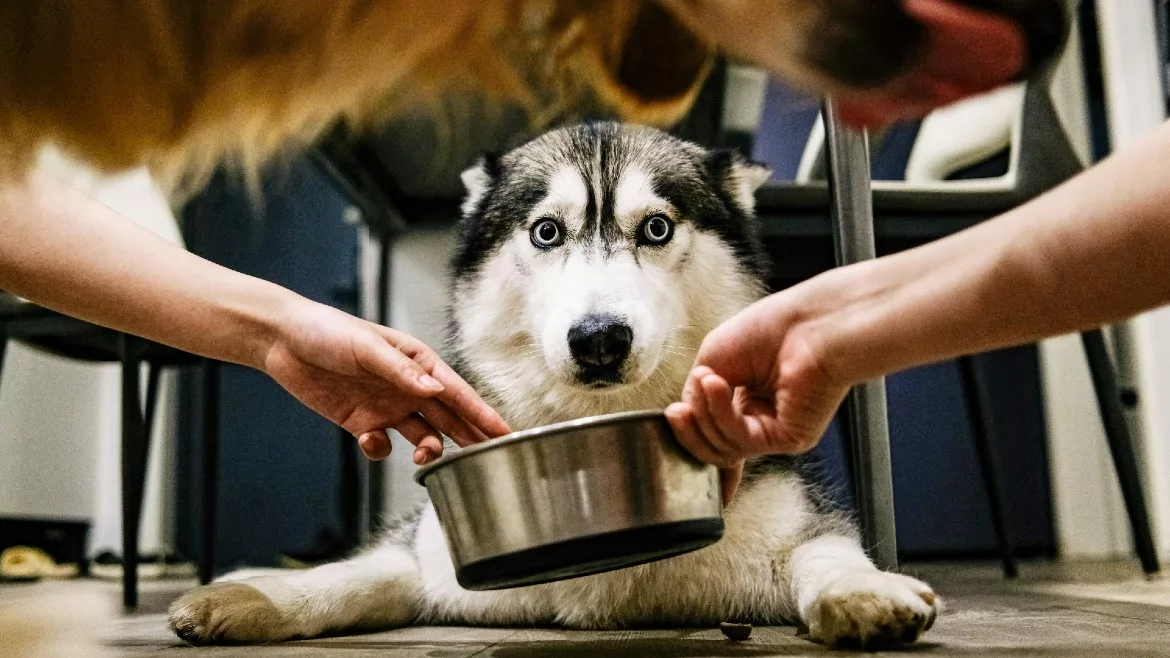
Image by Xingchen Yan on Unsplash.
Made to comply with the same safety and quality standards covered by the FDA and USDA regulations for food consumed by humans, how pet food is processed has evolved significantly in the past decade.
The number of U.S. households with a pet has now passed 86 million, reports the 2023/24 APPA national pet ownership survey . From providing companionship and support therapy to outdoor adventures, our furry friends are now considered central to the household and on par with any family member. So much so, that 7 out of 10 owners agree that their pet dines just as well as they do. A 2021 OnePoll survey revealed that 43% of 2,000 dog parents reported giving higher priority to purchasing healthy food for their pets than themselves.
Dinner is Served
“Human grade” is a term recently coined by the Association of American Feed Control Officials (AAFCO). It is defined as “pet food manufactured in a manner consistent with regulations for ready-to-eat human food products.” Increasing pressure from consumers to ensure their cuddly companions receive safe, nutritious, high-quality food has encouraged tighter pet food processing regulations in recent years.
There are two main bodies that oversee pet food production and labeling in the United States: The Food and Drug Administration (FDA) and the AAFCO. The former is responsible for inspections of pet food manufacturers and ingredients suppliers, as well as conducting investigations based on consumer complaints. The FDA delegates the creation and publication of pet food rules and regulations to the AAFCO. Working together, both regulatory bodies require all animal food be safe to eat, produced under sanitary conditions, contain no harmful substances, and be truthfully labeled.
With more canine and feline mouths to feed than ever before, robust pet food safety and detail-oriented inspection has never been more paramount. In order to comply with FDA regulations, preventative controls and risk-based food safety plans are equally essential for pet food processors.
Un-Leashing New Technology
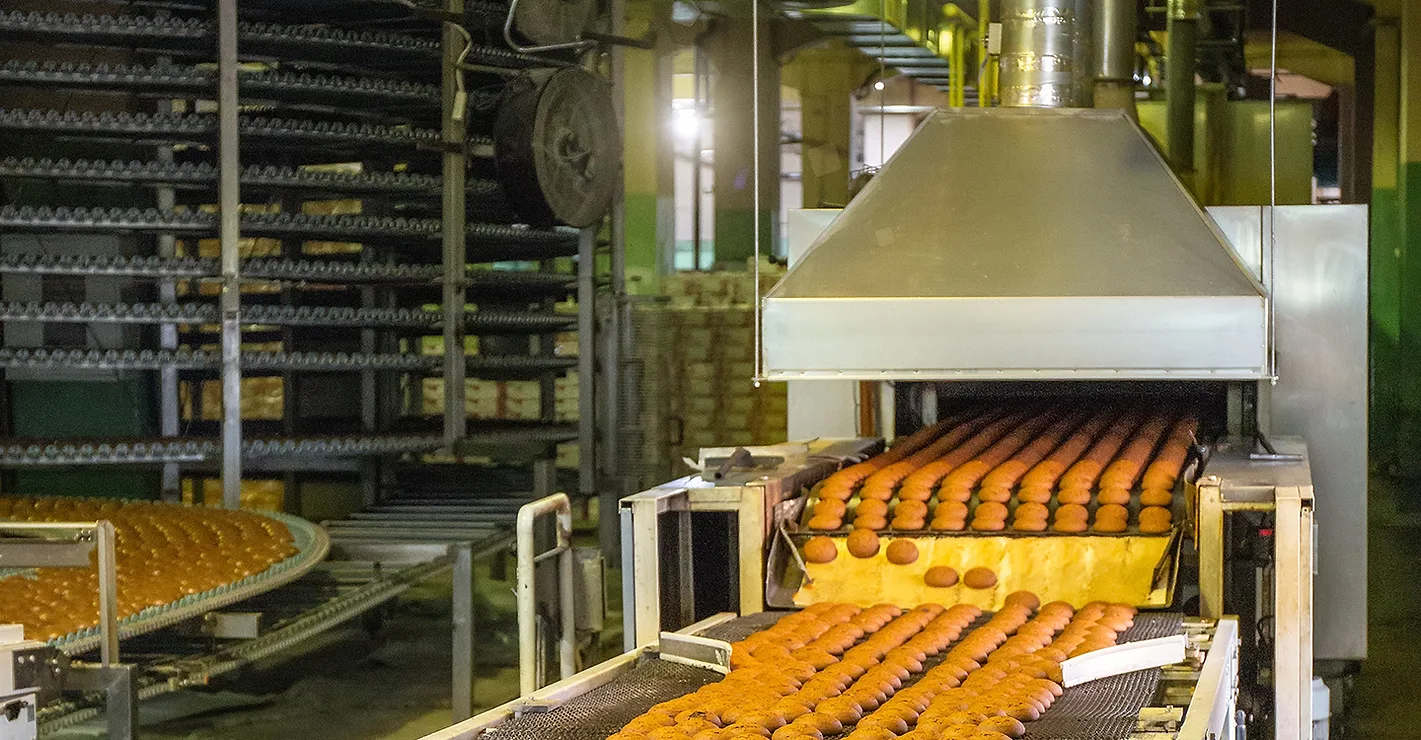
On a typical pet food production line, incoming raw ingredients may be checked, measured, blended with other ingredients, cooked, molded, packaged into a final product, inspected, stored and transported. Where in-line inspection should be implemented is dependent on the biggest contaminant risks for that specific facility. Processors should establish Critical Control Points (CCPs) to prevent, eliminate or reduce contaminant risks to acceptable levels.
Until recently, pet food processors might have installed magnetic separators, particularly at the first phase of processing, to remove ferrous metals. Now, state-of-the-art metal detectors are often installed on pet food production lines to optimize the inspection process, minimize waste and efficiently remove contaminated wet and dry pet food products.
Pipeline for Premium Slurries
Inspecting wet products e.g., gravy-style foods, can present a number of challenges to pet food processors. Water, like metal, can be conductive. This means that wet products will react in different ways in the magnetic field of a metal detector, which can lead to false readings and consequently higher product waste. In comparison, dry kibble has a much lower product effect.
This type of pet food processing compliance demands the highest levels of sanitation. Hygienic metal detector pipeline systems for wet pet slurries and pâté-style foods are utilized to prevent metal contaminants reaching the cooking and packing stage.
To avoid cross-contamination and biological hazards, pipeline metal detector scanning tubes should be constructed in such a way to eliminate any bacteria harboring cracks where materials meet. Should pet food processors need to detect other physical contaminants, for example glass or bone, Pipeline X-ray machines may be an option.
Inspection for FDA Approval
For dry kibble and pet treat applications, gravity metal detectors can be installed upstream to detect contaminants earlier in the production line.
Catching a metal contaminant in its largest form at the start of the processing line, for example in a pipeline or gravity system, means lower costs associated with the rejection. To put this into context, processors might reject a small handful of raw ingredients compared to potentially lots of finished product.
Inspecting products after packaging using an end-of-line conveyor metal detection and/or X-ray system is the most important CCP. For most retailers, it is also a supplier requirement. Bulk metal detectors, checkweighers and combination systems may be deployed to perform a final quality check, inspecting large pet food bags and boxed wet food trays.
Current technology now accommodates both the premiumization of pet food and its effects on processing productivity. Manufacturers can utilize this machinery to generate live OOE reporting data.
Safer Pet Food Promise
By adopting an efficient and systematic approach to manufacturing pet food, owners can feel assured that their pet’s dinner has undergone thorough contamination detection. No matter the ingredients or application format, it is essential that pet food production lines align to the authenticity, safety, wellbeing and care associated with animal ownership.
Looking for a reprint of this article?
From high-res PDFs to custom plaques, order your copy today!