FOOD ENGINEERING’s 2026 Top 100 Food and Beverage Companies
September 15, 2026
FOOD ENGINEERING’s 2026 Top 100 Food and Beverage Companies
September 15, 2026
Food and beverage manufacturers continued to contend with economic and geopolitical concerns in 2025, and while sales were largely down, some of the top companies experienced growth.
Among the challenges they identified in their annual reports — which FOOD ENGINEERING uses to gather sales data — manufacturers pointed toward regulatory changes, evolving consumer behavior, civil unrest and conflict, tariffs, supply chain constraints and commodity cost volatility.
Inflation remains a concern as manufacturers aim to keep operational costs in check. The U.S. Bureau of Labor Statistics’ Producer Price Index (PPI) shows final demand for goods and services grew 3% between December 2024 and 2025. Meanwhile, intermediate demand for processed goods grew 3.4% over the same period, while intermediate demand for unprocessed goods dipped 0.3%.
Specifically, intermediate demand for food manufacturing materials dropped 1.1% between December 2024 and December 2025, while intermediate demand for unprocessed food and feed fell 2.7% over the same period.
The Consumer Price Index (CPI) for all items rose 2.7% between December 2024 and December 2025. Overall food prices grew 3.1%, while food at home prices increased 2.4% and prices for food away from home rose 4.1%.
Ranking Review
Mars, Inc.'s $36 billion acquisition of Kellanova closed just before the end of 2025, bringing together confectionery and snacking giants. Mars, while privately owned, reports an annual revenue of $65 billion, pushing the company up to No. 5 in our ranking and removing Kellanova altogether.
The newly formed Mars Snacking division now includes billion-dollar brands such as Pringles, Cheez-It and Kellogg's alongside M&M'S, Snickers and Skittles.
"United by more than a century of pioneering new categories and building iconic brands, Mars and Kellanova are joining forces to shape the future of snacking," says Andrew Clarke, global president of Mars Snacking. "With more than 50,000 Mars Snacking associates and partners around the world, we're now positioned to bring consumers more of the brands they love and new innovations — while continuing to advance our sustainability commitments and invest for the long term."
Following the acquisition, Mars announced it would expand its global headquarters in Chicago, while a Worker Adjustment and Retraining Notification (WARN) filed in New Jersey in July revealed it also would move its U.S. headquarters to Chicago, impacting more than 300 employees.
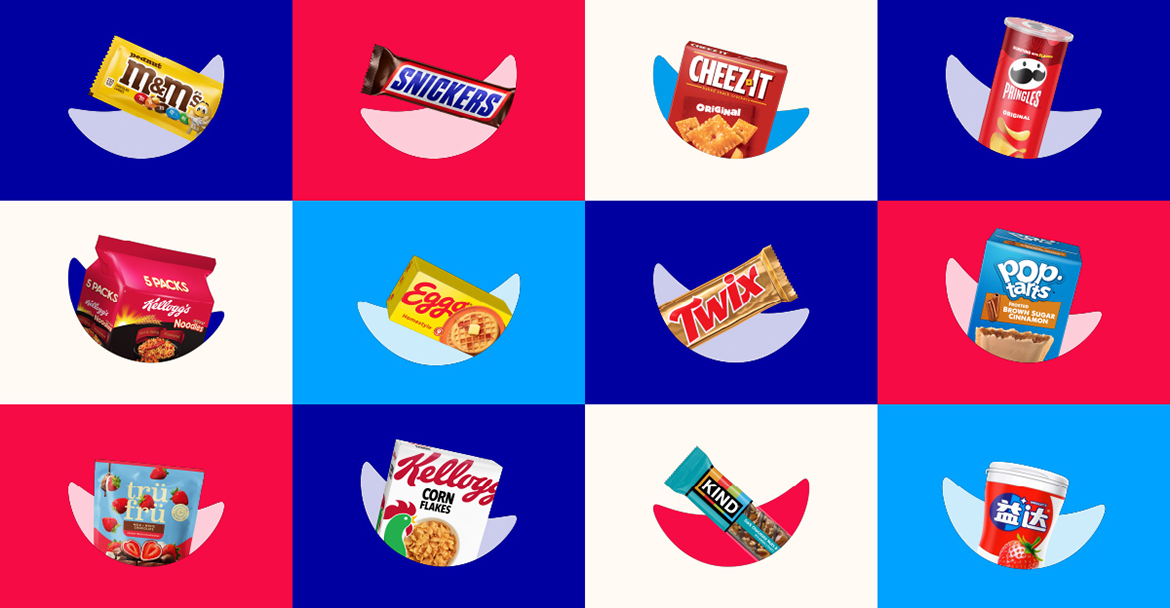
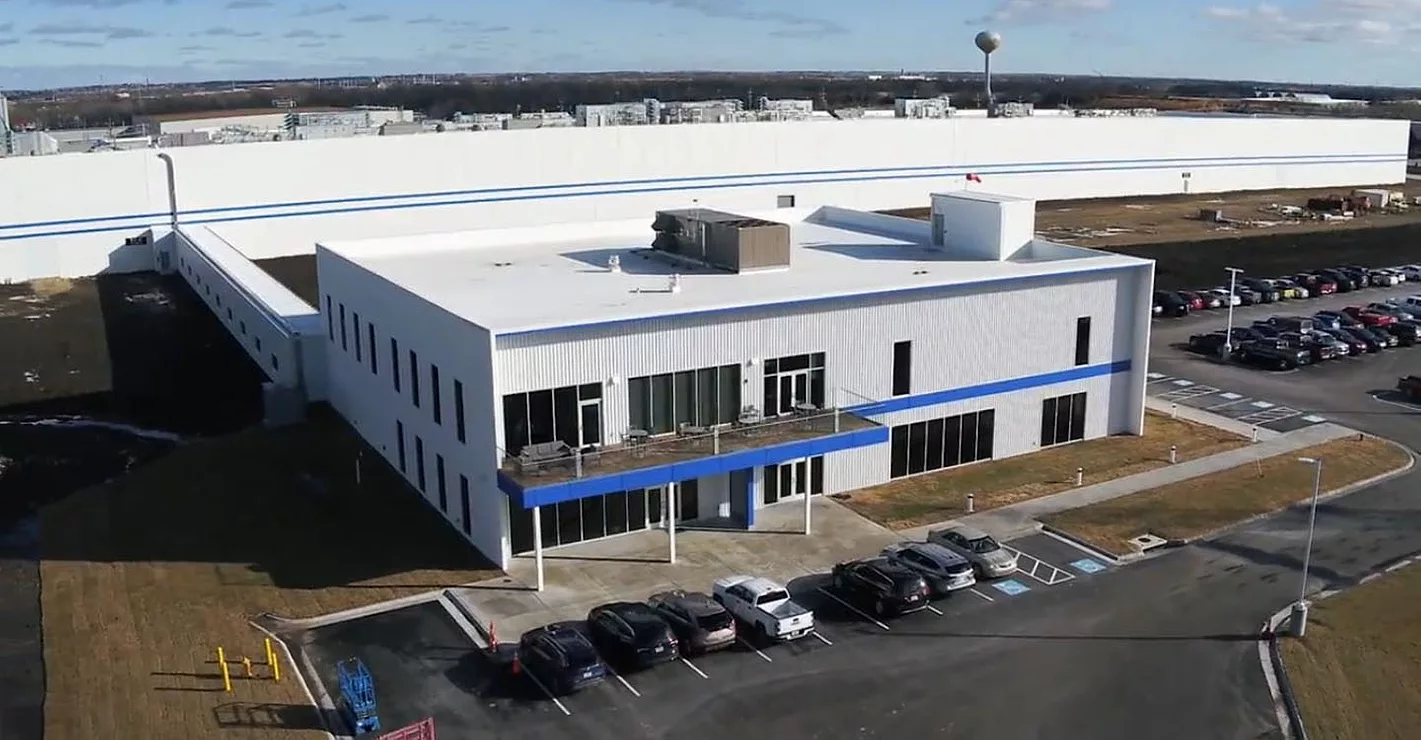
Mars completed the $36 billion acquisition just before the end of 2025, bringing together major brands in the confectionery and snacking segments. Image courtesy of Mars, Inc.
Meanwhile, Ferrero snapped up WK Kellogg Co for $3.1 billion, continuing a decade-long push to acquire staple American brands while expanding into the breakfast category. The company, which reported 2025 sales of €19.3 billion ($22.6 billion), jumped three places in our ranking.
"Over recent years, Ferrero has expanded its presence in North America, bringing together our well-known brands from around the world with local jewels rooted in the U.S.," Giovanni Ferrero, executive chairman of the Ferrero Group, said in July 2025. "Today's news is a key milestone in that journey, giving us confidence in the opportunities ahead."
In September 2025, The Kraft Heinz Company announced it would split into two independent, publicly-traded companies — nearly a decade after the merger of Kraft Foods and H.J. Heinz. However, former Kellanova President, CEO and Chairman Steve Cahillane took the helm of Kraft Heinz in January. Six weeks later, Cahillane said the company would pause the separation and invest $600 million "to drive recovery" in its U.S. business.
Looking for a reprint of this article?
From high-res PDFs to custom plaques, order your copy today!
"Since joining the company, I have seen that the opportunity is larger than expected and that many of our challenges are fixable and within our control," Cahillane says. "My number one priority is returning the business to profitable growth, which will require ensuring all resources are fully focused on the execution of our operating plan."
Kraft Heinz, which dropped from No. 17 to No. 19 in our ranking, reported net sales of $24.9 billion in 2025, down 3.5% from $25.8 billion in 2024.
Beef producer Marfrig and BRF, a chicken and pork producer, also got the green light to merge from Brazilian regulators in September 2025. The resulting company, MBRF, jumped six places in our ranking after reporting a combined annual revenue of R$ 164 billion ($29.7 billion).
"The combination of Marfrig and BRF resulted in the creation of MBRF, one of the world's largest food
companies, with an integrated multiprotein platform, a portfolio of iconic brands, a broad global presence and an expanded footprint in higher value-added categories," says MBRF Chairman Marcos Antonio Molina dos Santos. "In a context of growing global demand for protein, we remain well positioned to capture new opportunities, with a continued focus on service excellence, consumer proximity and profitability."
Additionally, Unilever demerged its ice cream business and formed The Magnum Ice Cream Company, creating a new addition to our ranking. The standalone company reported €7.9 billion ($9.27 billion) in revenue. As a result, Unilever dropped 14 places in the 2026 ranking, though its total annual revenue dropped from €52.5 billion in 2024 to €50.5 in 2025.
"The Magnum Ice Cream Company (TMICC) has made a solid start as a standalone company," Unilever Chair Ian Meakins said in the company's annual report. "Since the demerger, the Unilever share price has risen 11.6% and TMICC is also up 1.3%, contributing in combination to an increase of over €16 billion in shareholder value, as at March 2, 2026. We have retained a minority stake of 19.85% in TMICC and are confident in that it will thrive as a pureplay global ice cream business."
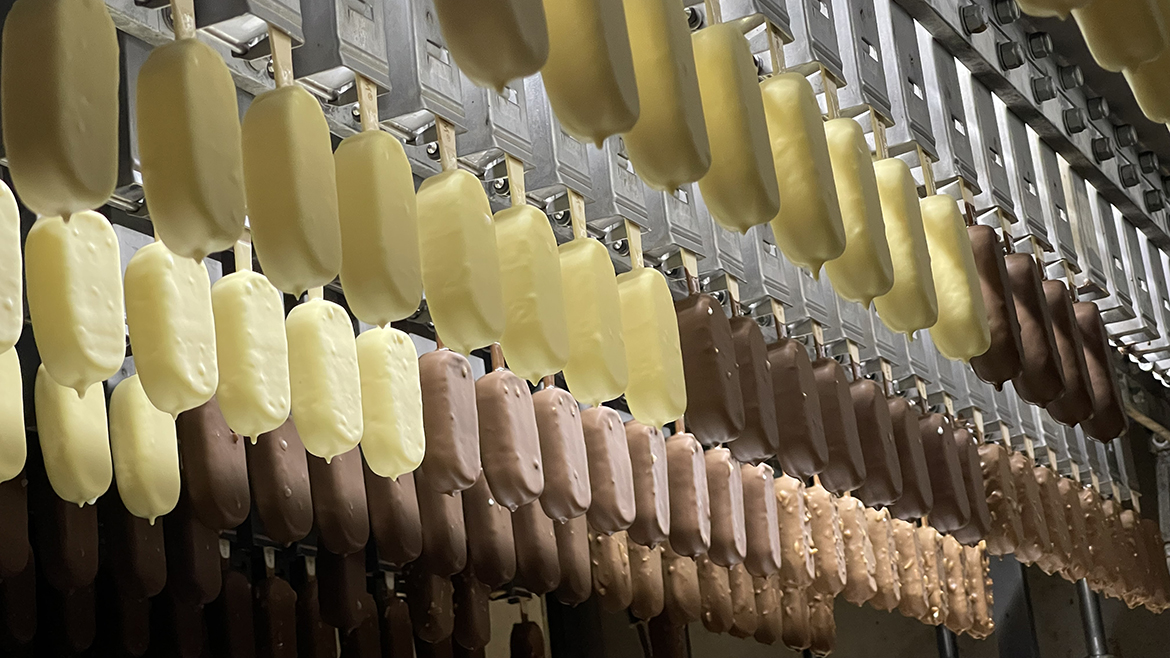
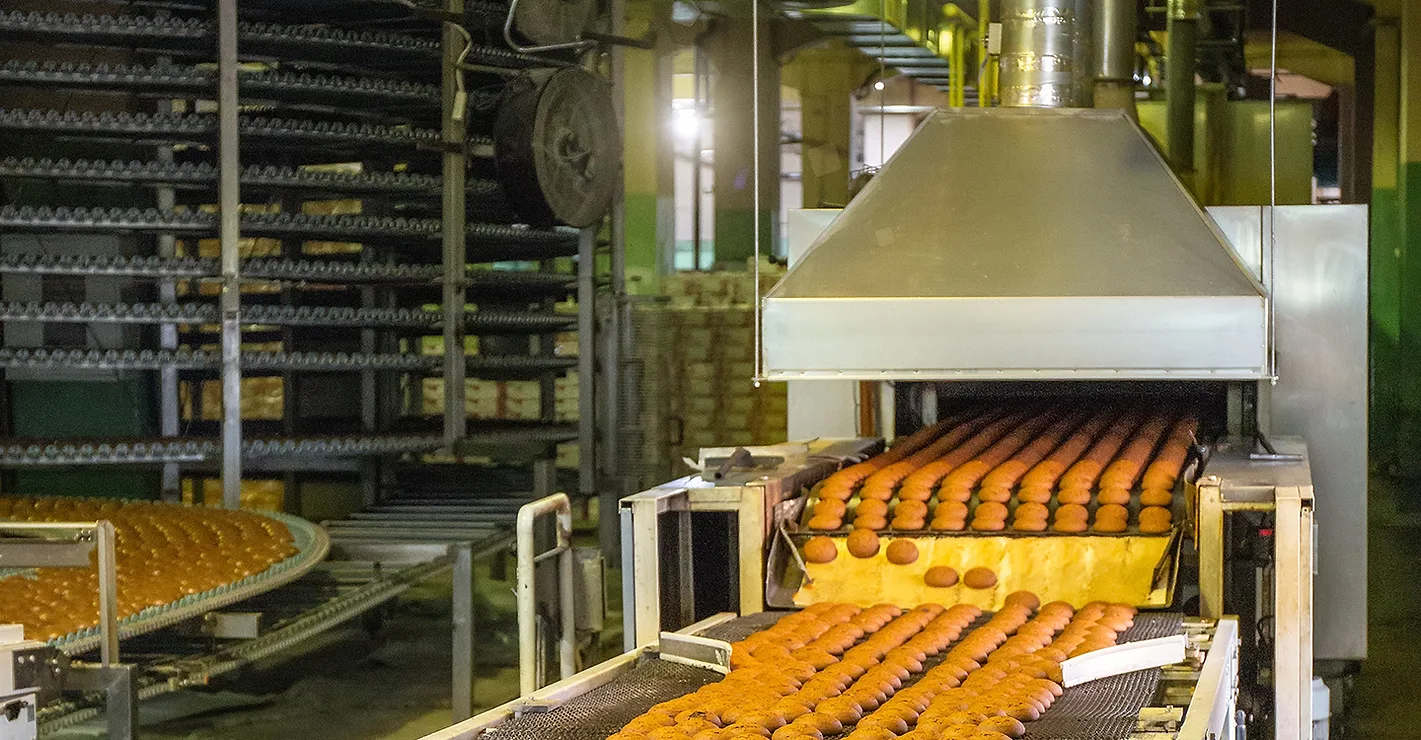
White chocolate-coated Magnum ice cream bars suspended on a metal conveyor during production at The Magnum Ice Cream Company’s facility in Caivano, Italy. Image courtesy of The Magnum Ice Cream Company
Looking Ahead
Keurig Dr Pepper completed its acquisition of JDE Peet's in April, but as of August, the companies had not announced the names of the planned "Beverage Co." and "Global Coffee Co." In April, Keurig Dr Pepper said the companies were targeting the tax-free spinoff of Global Coffee Co. at the end of 2026. If that timeline holds, next year's ranking could see two new independent companies.
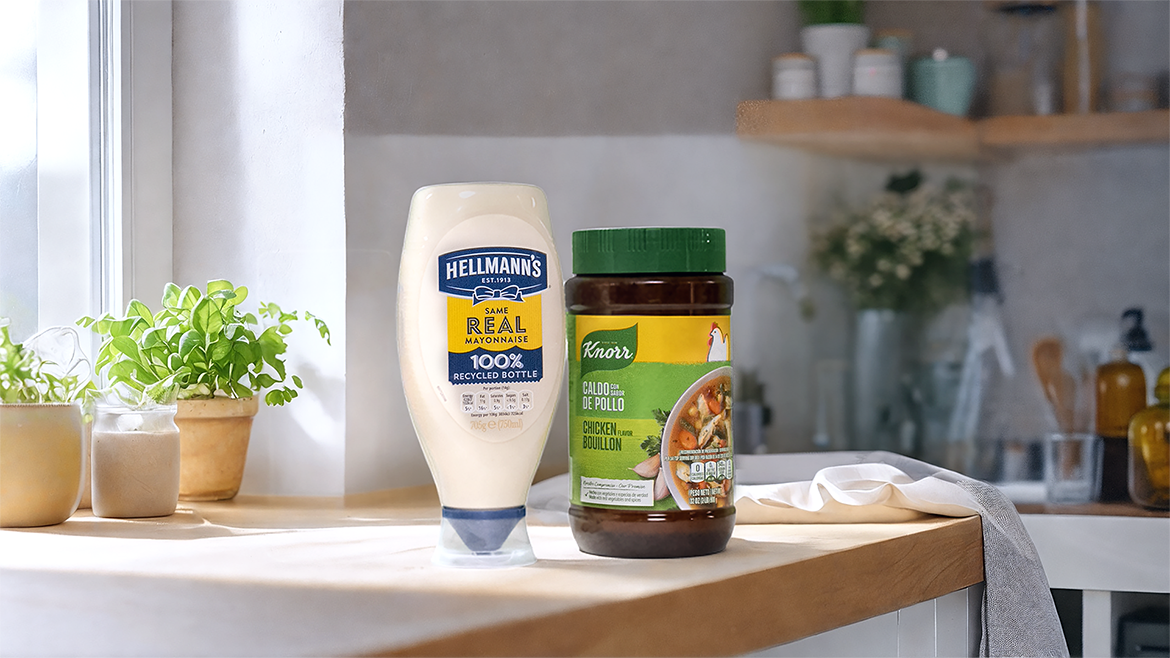
McCormick is set to combine with Unilever’s Foods Business in 2027, further pivoting Unilever away from food and toward personal care. Image courtesy of Knorr and Hellman's
In March, McCormick & Company announced plans to combine with Unilever's Foods Business, anchored by the Hellman's and Knorr brands. This transaction, further pivoting Unilever away from food and toward personal care, is expected to close by mid-2027.
"This transformative combination accelerates McCormick's strategy and reinforces our continued focus on flavor," says Brendan Foley, chairman, president and CEO of McCormick. "The Unilever Foods business is one we have long admired, with a portfolio that complements our existing business, capabilities and long-term vision. Together, we will be better positioned to accelerate growth in attractive categories."
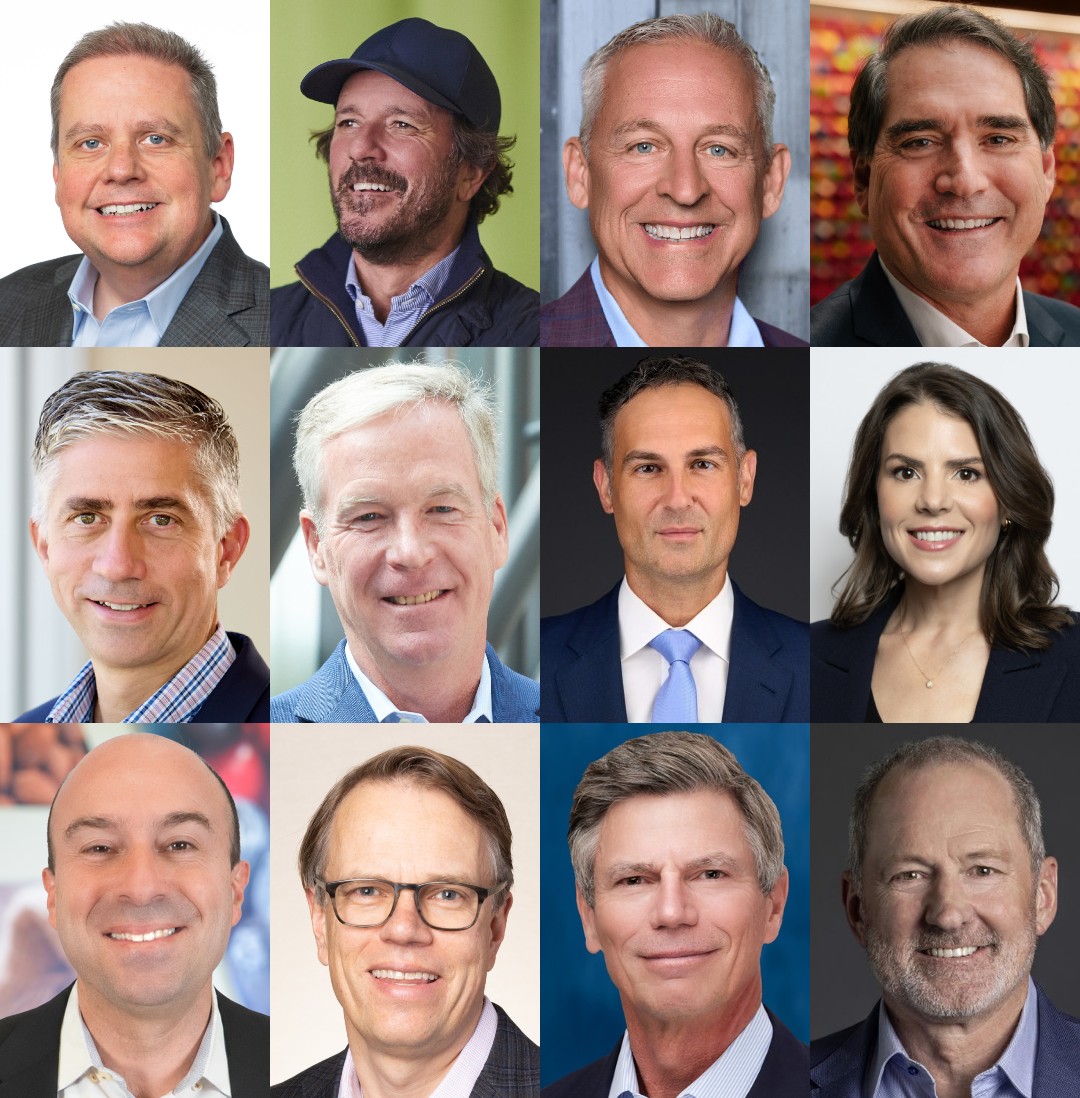
From top left: Rob Mills, president and CEO, B&G Foods, Peter McGuinness, CEO, Bel North America, John Brase, president and CEO, Conagra Brands, Henrique Braun, CEO, The Coca-Cola Company, John Ghingo, president and CEO, Hormel Foods, Steve Cahillane, CEO, The Kraft Heinz Company, Admir Basic, CEO, Novus Foods, Abigail Buckwalter, president and CEO, Ocean Spray Cranberries, Nicolas Catoggio, president and CEO, Post Holdings Inc., Greg Pearson, president and CEO, Post Consumer Brands, Joe Scalzo, president and CEO, The Simply Good Foods Company, and Jeff Schomburger, president and CEO, Tyson Foods. BNP Media / headshots courtesy of the respective individuals and companies
While not yet complete, 2026 has brought a wave of executive leadership transitions, potentially driving changes in strategic priorities, product portfolios, and innovation pipelines. A non-exhaustive list of leaders taking the helm in 2026 includes:
- Rob Mills, president and CEO, B&G Foods
- Peter McGuinness, CEO, Bel North America
- John Brase, president and CEO, Conagra Brands
- Henrique Braun, CEO, The Coca-Cola Company
- John Ghingo, president and CEO, Hormel Foods
- Steve Cahillane, CEO, The Kraft Heinz Company
- Admir Basic, CEO, Novus Foods
- Abigail Buckwalter, president and CEO, Ocean Spray Cranberries
- Nicolas Catoggio, president and CEO, Post Holdings Inc.
- Greg Pearson, president and CEO, Post Consumer Brands
- Joe Scalzo, president and CEO, The Simply Good Foods Company
- Jeff Schomburger, president and CEO, Tyson Foods
With new leadership comes new opportunities for strategic operation, thoughtful innovation and growth in 2026.
"We've had a strong start to the year," said Henrique Braun, CEO of The Coca-Cola Company, in its first-quarter results. "Our performance this quarter reflects our unwavering focus on staying close to the consumer, executing locally and managing complexity. Yet there's so much more we can do as we navigate a dynamic environment. Our team is motivated by the opportunity to build on the company's great foundation."