Food Engineering logo
search
cart
facebook twitter linkedin youtube
  • Sign In
  • Create Account
  • Sign Out
  • My Account
Food Engineering logo
  • NEWS
    • Latest Headlines
    • Manufacturing News
    • People & Industry News
    • Plant Openings
    • Recalls
    • Regulatory Watch
    • Supplier News
  • PRODUCTS
    • New Plant Products
    • New Retail Products
  • TOPICS
    • Alternative Protein
    • Automation
    • Cannabis
    • Cleaning | Sanitation
    • Fabulous Food Plants
    • Food Safety
    • Maintenance Strategies
    • OEE
    • Packaging
    • Sustainability
    • More
  • EXCLUSIVES
    • Plant Construction Survey
    • Plant of the Year
    • Sustainable Plant of the Year
    • State of Food Manufacturing
    • Top 100 Food & Beverage Companies
  • MEDIA
    • Podcasts
    • Videos
    • Webinars
    • White Papers
  • FOOD MASTER
  • EVENTS
    • Food Automation & Manufacturing Symposium and Expo
    • Industry Events
  • RESOURCES
    • Newsletter
    • Custom Content & Marketing Services
    • FE Store
    • Government Links
    • Industry Associations
    • Market Research
    • Classified Ads
  • EMAGAZINE
    • eMagazine
    • Archive Issue
    • Advertise
  • SIGN UP!
Sustainability

PepsiCo to reduce GHG emissions by 40% by 2030

Net-zero emissions pledged by 2040, a decade ahead of Paris Agreement

By Sharon Spielman
PepsiCo Windmill
January 22, 2021

PepsiCo, Inc. plans to more than double its science-based climate goal, targeting a reduction of absolute greenhouse gas (GHG) emissions across its value chain by more than 40% by 2030. The company also has pledged to achieve net-zero emissions by 2040, one decade earlier than called for in the Paris Agreement.

Specifically, PepsiCo plans to reduce absolute GHG emissions across its direct operations (Scope 1 and 2) by 75% and its indirect value chain (Scope 3) by 40% by 2030 (2015 baseline). This action is expected to result in the reduction of more than 26 million metric tons of GHG emissions or the equivalent of taking more than 5 million cars off the road for a full year.

“The severe impacts from climate change are worsening, and we must accelerate the urgent systemic changes needed to address it,” says PepsiCo Chairman and CEO Ramon Laguarta. “Climate action is core to our business as a global food and beverage leader and propels our PepsiCo Positive journey to deliver positive outcomes for the planet and people. Our ambitious climate goal will guide us on the steep but critical path forward—there is simply no other option but immediate and aggressive action.”

PepsiCo’s action plan is centered on both mitigation, reducing GHG emissions to decarbonize its operations and supply chain, and resilience, reducing vulnerabilities to the impacts of climate change by continuing to incorporate climate risk into business continuity plans. With operations in more than 200 countries and territories around the world and approximately 260,000 employees, the company’s emissions reduction plan will be comprehensive across priority areas such as agriculture, packaging, distribution and operations.

PepsiCo will lower GHG emissions impact with a continued drive to reduce virgin plastic use and increase recycled content in its packaging.

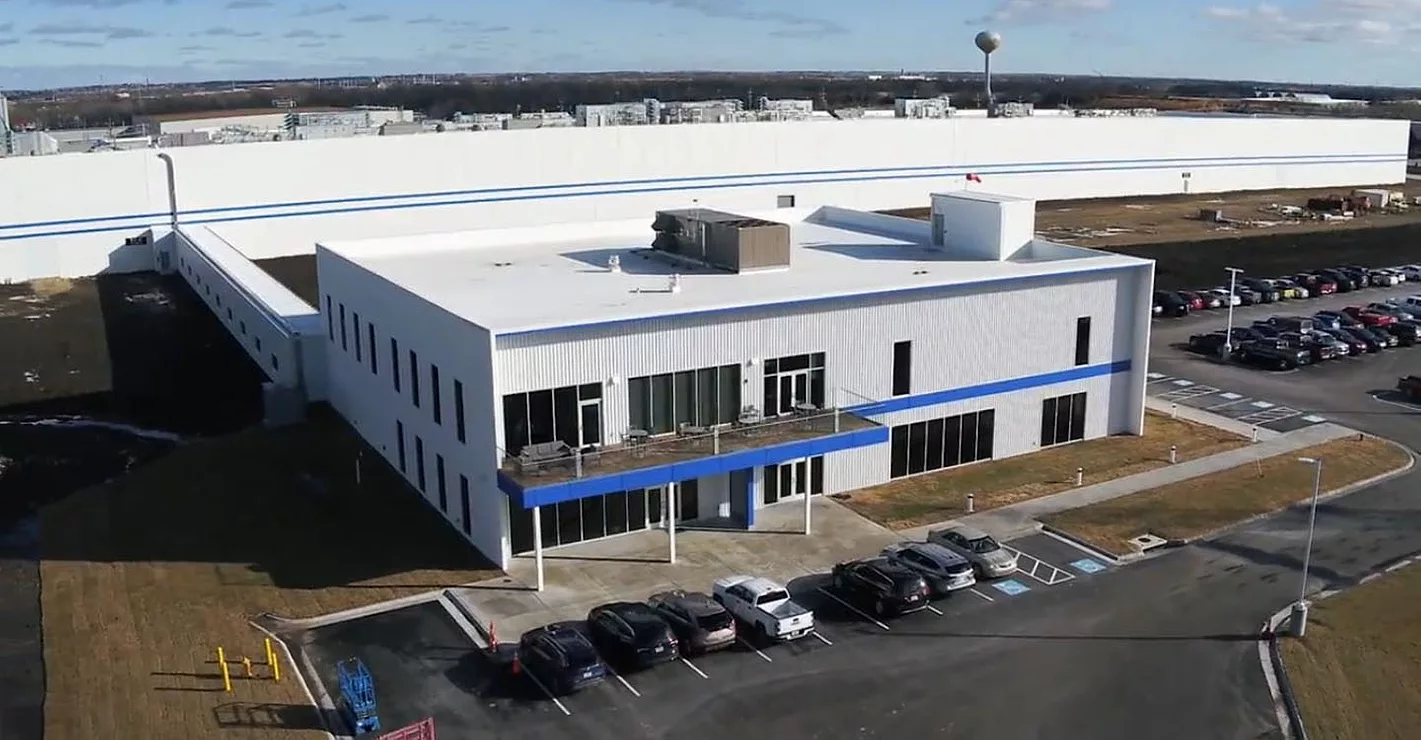
Through the implementation and upgrading of environmentally sustainable manufacturing, warehousing, transportation and distribution sites—similar to the Frito-Lay North America facility in Modesto, Calif.—the company aims to maximize efficiency in its supply chain, while also adopting zero- and near-zero-emission technologies.

PepsiCo is implementing business processes that enable GHG emissions mitigation, such as its “Sustainable from the Start” program, which puts environmental impact decision-making at the heart of product design. Additionally, two internal carbon pricing programs, one aimed at eliminating the carbon impact of employee business air travel and another at building carbon impact into carrier selection for third party logistics in North America, will help further reinforce climate considerations in PepsiCo’s business decisions.

From Lay’s to Pepsi and Quaker to Tropicana, more and more PepsiCo brands are being made using electricity from a mix of renewable energy sources. For instance, in 2020, PepsiCo met its target to source 100% renewable electricity in the U.S. and set a new target to source 100% renewable electricity across all of its company owned and controlled operations globally by 2030 and across its entire franchise and third-party operations by 2040.

PepsiCo continues to support the growth of new renewable energy generation capacity through power purchase agreements. The company has finalized agreements with renewable energy company Ørsted for two new wind projects in Texas and Nebraska that will address nearly a quarter of PepsiCo’s total U.S. electricity needs.

“Our climate ambition is at the very heart of accelerating our global sustainability progress, and we are using our scale and reach to build a more sustainable and regenerative global food system,” says Jim Andrew, Chief Sustainability Officer, PepsiCo. “It’s long overdue that companies move beyond just minimizing their environmental impact, they must actively work to improve and regenerate the planet.”

KEYWORDS: company operations sustainable food processing sustainable packaging

Share This Story

Looking for a reprint of this article?
From high-res PDFs to custom plaques, order your copy today!

Sharon spielman authors

Sharon Spielman is former senior editor of Food Engineering magazine. She has more than 25 years of experience as a writer and editor for a range of trade publications, including those that cover food and beverage processing, restaurants and institutions, chefs, process heating and cooling, finishing, and package converting.

Recommended Content

JOIN TODAY
to unlock your recommendations.

Already have an account? Sign In

  • 2025 Top 100 Food and Beverage Companies

    FOOD ENGINEERING’s 2025 Top 100 Food and Beverage Companies

    While sales were largely down under dynamic economic and...
    Top 100 Food & Beverage Companies
    By: Alyse Thompson-Richards
  • Bottling machine

    How Optical and X-Ray Inspection Supports Bottling Safety and Quality

    By transitioning from legacy single-technology systems to...
    Food Safety
    By: Dan McKee
  • Bread baking in oven

    The State of Food Manufacturing in 2025

    Food and beverage manufacturers are investing in...
    Manufacturing News
    By: Alyse Thompson-Richards
Manage My Account
  • eMagazine
  • Newsletter
  • Online Registration
  • Manage My Preferences
  • Customer Service

More Videos

Popular Stories

The Campbell's Company logo

Campbell’s Terminates Exec Over Alleged Disparaging Comments

Frito-Lay logo

PepsiCo to Close Two Florida Facilities

alternative protein products

Alternative Protein in 2025: Key Trends and Technologies

State of Maufacturing 2025

Events

June 17, 2025

Refrigerated & Frozen Foods’ State of the Cold Chain

On Demand Kelley Rodriguez, Editor in Chief of Refrigerated & Frozen Foods, will be joined in this 60-minute webinar by industry experts to help unpack the latest research.

July 23, 2025

Decarbonizing Process Heat: What You Should Know and Next Steps

On Demand Driven by climate goals, business risk, client interest, and resilience considerations, food and beverage companies are increasingly turning their attention to decarbonizing their production processes.

View All Submit An Event

Products

Recent Advances in Ready-to-Eat Food Technology

Recent Advances in Ready-to-Eat Food Technology

See More Products

CHECK OUT OUR NEW ESSENTIAL TOPICS

Alternative ProteinAutomationCleaning/SanitationFabulous Food Plants

Food SafetyMaintenance StrategiesOEE

PackagingSustainability

Related Articles

  • Report: 40 percent global water shortfall likely by 2030

    See More
  • World facing a 40 percent shortfall in water supply by 2030, UN report warns

    See More
  • earth-3289810_1170x658.jpg

    Report: Financial Institutions Could Cut 60% of Global Food System Emissions by 2030

    See More

Related Products

See More Products
  • GlobalData_logo_blue_header.png

    USA: Food & Grocery - Market Shares, Summary & Forecasts to 2023

  • food crime.jpg

    Food Crime: An Introduction to Deviance in the Food Industry

See More Products
×

Elevate your expertise in food engineering with unparalleled insights and connections.

Get the latest industry updates tailored your way.

JOIN TODAY!
  • RESOURCES
    • Advertise
    • Contact Us
    • Food Master
    • Store
    • Want More
  • SIGN UP TODAY
    • Create Account
    • eMagazine
    • Newsletter
    • Customer Service
    • Manage Preferences
  • SERVICES
    • Marketing Services
    • Reprints
    • Market Research
    • List Rental
    • Survey/Respondent Access
  • STAY CONNECTED
    • LinkedIn
    • Facebook
    • YouTube
    • X (Twitter)
  • PRIVACY
    • PRIVACY POLICY
    • TERMS & CONDITIONS
    • DO NOT SELL MY PERSONAL INFORMATION
    • PRIVACY REQUEST
    • ACCESSIBILITY

Copyright ©2025. All Rights Reserved BNP Media.

Design, CMS, Hosting & Web Development :: ePublishing