Equipment maintenance for the ages
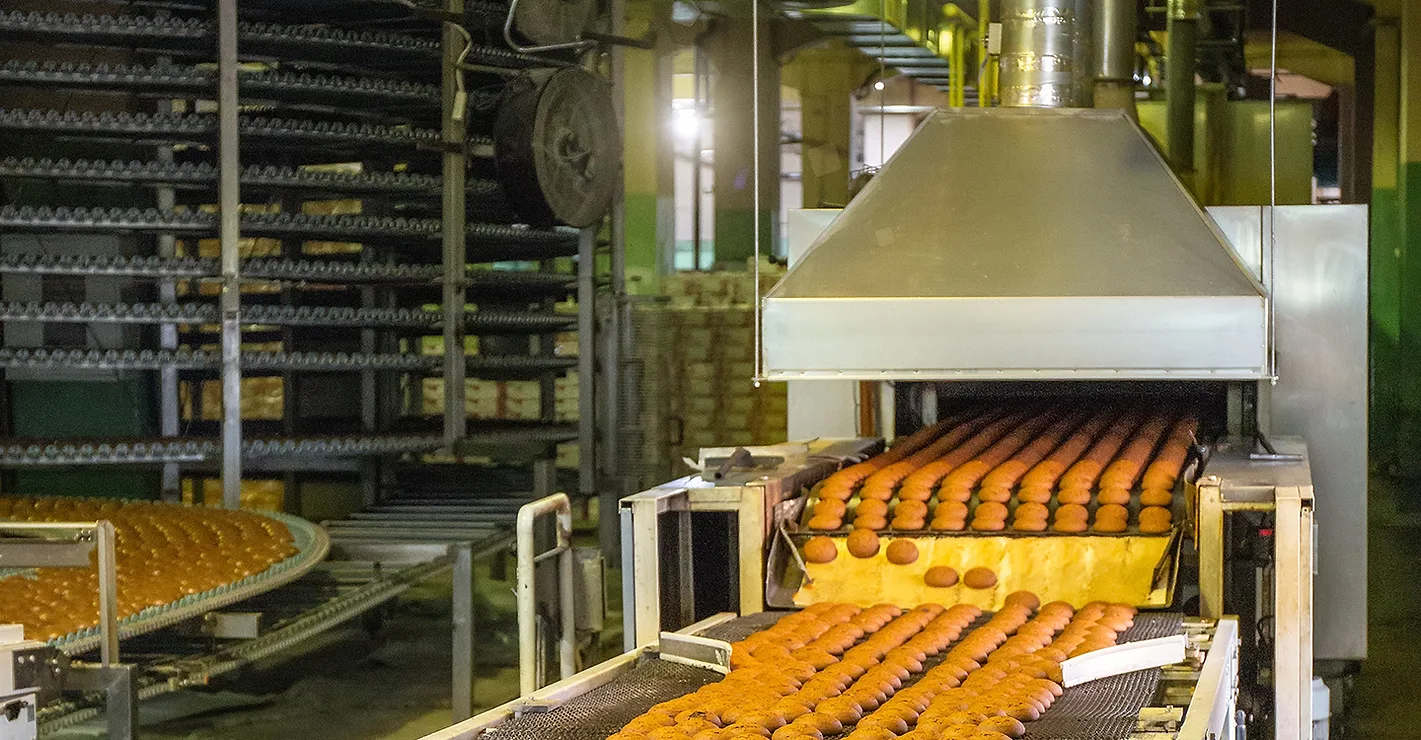
Keep your equipment running smoothly for long life and ease of use, a necessity with old machinery, as well as new.
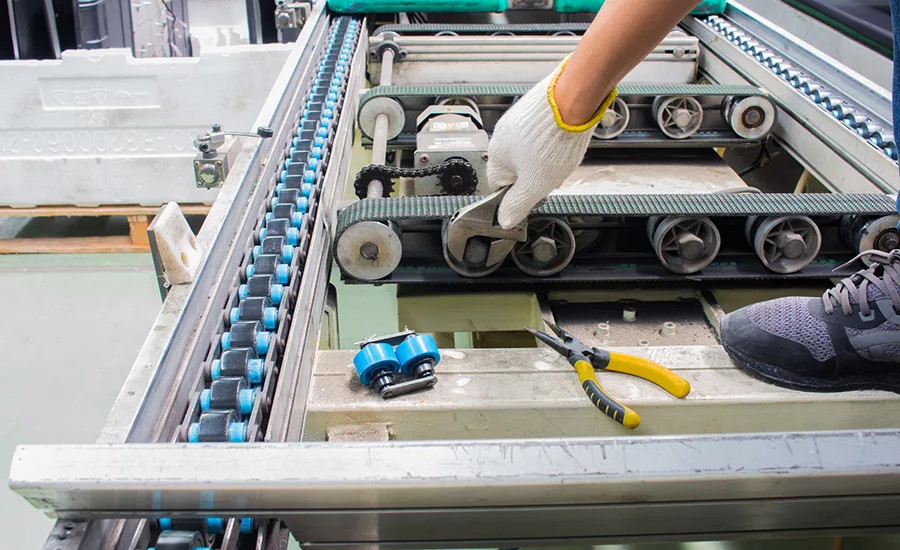
Photo courtesy of Getty Images/Ekkaluck
Properly maintaining processing equipment and tools is a necessity. The age of the equipment doesn’t matter; new equipment will need preventive maintenance to avoid faster wear and tear.
There are various types of maintenance: Preventive, corrective, risk-based, condition-based and systematic. Here we talk about the most important, preventive. The more we can prevent downtime, the less production sacrifices due to maintenance.
Maintenance programs
So where do you start with a maintenance program and is there a best plan? Aaron Hansen, VP of aftermarket for Brenton and Orion, ProMach Group brands, lends his expertise. “We provide manuals and maintenance programs for customers that have the manpower to be able to do their own maintenance.”
Most OEM manuals include daily checks that processors need to follow. In addition, weekly, monthly, quarterly and annual checks and replacements are part of many programs. “I don't have any specific examples other than when we do robots, we tend to do those on an annualized basis where we change seals and fluids, and check those things out and basically rebuild the arm just to make sure that it continues to operate,” Hansen explains.
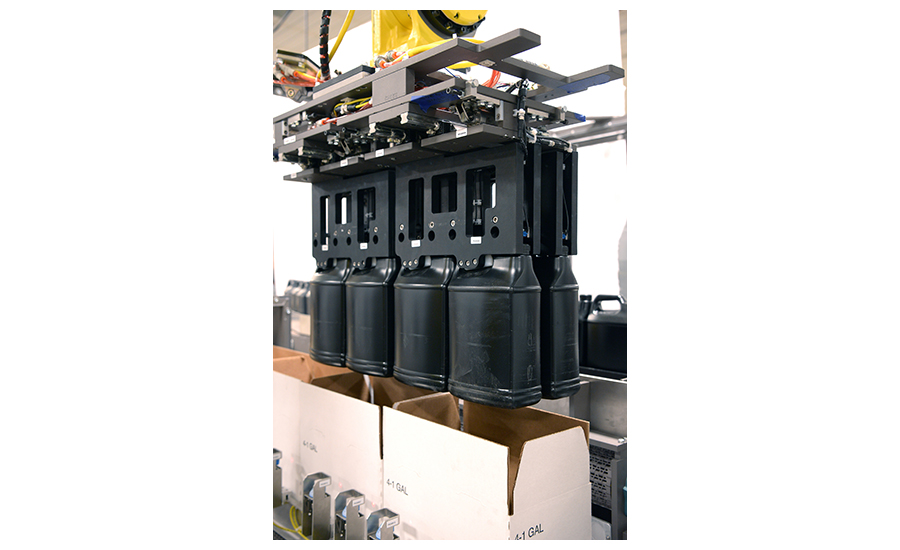
Many OEMs, including Brenton and Orion, offer spare parts programs, where customers are able to get the parts, such as specific components, that they need. The plant’s maintenance team can do the preventative maintenance at the required schedule. Hansen says that service teams are still necessary, however. “We definitely see in the marketplace that finding those maintenance technicians, continuing to staff that maintenance team to the ability to do their own maintenance programs, becomes more and more challenging,” Hansen says.
Manufacturers, especially in the food industry, are using their equipment millions of times per year, so it’s important to keep the parts moving repeatedly. And so as the progression of a piece of machinery happens, the more it’s maintained, the more it's kept up to speed on the mechanical side of things. Parts are easy to update. But over time, the electrical components for example is the big one. “And right now we’re dealing with unprecedented lead time issues with electrical components, shortages, etc.,” says Hansen. It’s hard to find the high volume parts, not to mention the out-of-date or the old electrical packages.
The aftermarket group’s modernization team at ProMach assumes that the mechanical componentry of the machine has been maintained, so they make controls and upgrades to basically rewire the whole machine with new up-to-date electronics and controls, because then it can be continually controlled with software componentry. “Risk mitigation for downtime because you’re missing a component becomes less and less as you stick with the upgrade or with the updates in componentry from the electronic perspective,” Hansen advises.
Cleaning
A big part of overall maintenance is cleaning. With Orion as an end-of-line group with case packing, palletizing and stretch wrapping, sweeping, mopping and taking care of general cleanliness of the plant is necessary for equipment effectiveness. No food or beverage manufacturer wants to see grime, dirt or dust adoring the plant floor or equipment.
Moving to hygienic equipment realizes another step. Stainless steel machines with wash-down motors and componentry requires taking a lot of those components and moving them up into the top of the equipment, Hansen says. That makes it is easier for operators to clean and run tough chemicals that they do in those particular sites.
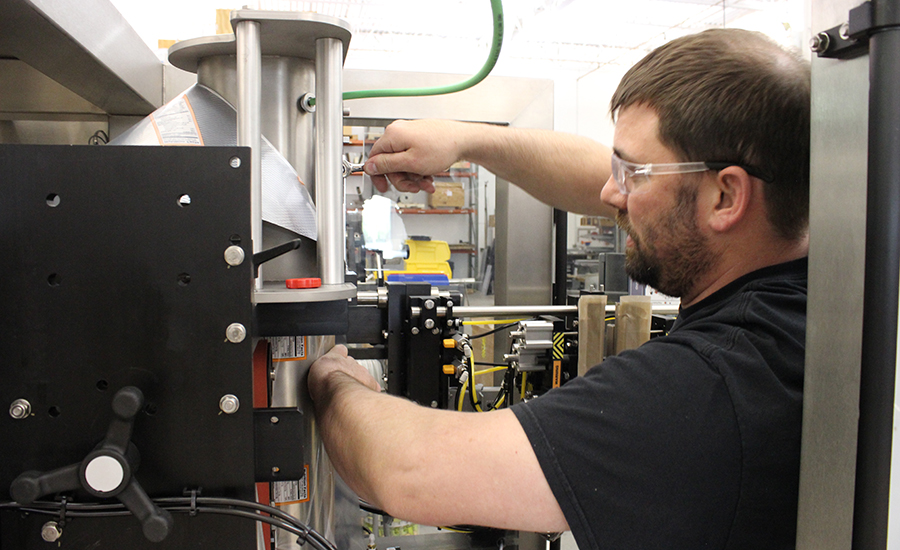
Four steps to proper maintenance
Another ProMach company, Matrix Packaging Machinery, recommends following these four important maintenance guidelines. Also, review your machinery’s owner’s manual for exact cleaning, preventive maintenance practices and recommended spare parts.
- Keep it clean – One of the simplest things you can do to keep your machinery running well is to keep it clean; the cleaner a machine is, the better it will operate. Cleaning should include all mechanical parts and be performed once a shift. It’s important to always turn off and disconnect power to the machine prior to cleaning.
- Don’t ignore preventive maintenance – If you’re experiencing an increase in production, it may be tempting to push back the preventive maintenance schedule for your machines – it’s critical to not skip preventive maintenance. Machines are engineered to be serviced at specific intervals. Delaying service could lead to premature component failure and a longer, more costly downtime when you can least afford it. Cleanliness and preventive maintenance go hand-in-hand; don’t cut corners and skip these two essential steps.
- Keep spare parts on hand – Have a bench stock of spare and consumable parts, such as belts, knives and heating elements readily available. This will help facilitate quick repairs and minimize machinery downtime. If you don’t have an adequate bench stock set up, some suppliers can perform a parts audit and prepare a recommended parts list of common replacement parts to keep in stock. Essentially, a parts audit helps you develop a parts plan, streamlining the inspection, repair and maintenance processes for your equipment.
- Schedule a service call – Most reputable suppliers are still conducting service calls with customers. If your supplier does handle your machines’ preventive maintenance, those field-service visits will likely occur as scheduled. An uptick in business means it’s more important than ever to keep those maintenance appointments. Keep in mind that some service and troubleshooting can also be done through remote monitoring.
Best practices
Hansen says that a good balance of preventive maintenance schedules is a quarterly plan. A certified technician will come out to do an audit, which is the first step. The daily checks and cleanings, the daily kind of a checklist of, here are the things that should happen daily and, keeping those check sheets, we've seen customers keep them right at the machines.
Plant managers just need to verify which shift is responsible for which maintenance procedure, with a formalized checklist for what they're supposed to do on a routine maintenance perspective of which cleaning is included.
Creating calendar work order maintenance programs are one idea. “If [plants are] on a work order system, they input that into their database as to, hey, we need to we need to do the annual robot PM on this on October 15th every year, and it sends out the work order automatically a couple of weeks before, and those types of things are good best practices that customers use.”
Hansen says that automation must be included in a maintenance schedule as well. “There are new players in the market, workforce is continuing to be a struggle so automation is highly sought after. We’re seeing new companies moving to automation, and it’s important to include automation in a maintenance program, as a part of the total investment.
Preventive maintenance best practices include:
- Take inventory and assess risk.
- Set a schedule and optimize timing.
- Document proper procedures.
- Designate authority.
- Keep necessary items and equipment on-hand.
- Be prepared for temporary fixes.
- Keep detailed maintenance records.
Looking for a reprint of this article?
From high-res PDFs to custom plaques, order your copy today!