How Food Manufacturers Can Grow While Navigating Rising Costs

Cost escalation continues to be one of the biggest challenges for food and beverage manufacturers. This includes inflation of the costs to manufacture a product and the ever-rising costs of raw materials, labor and government compliance. To combat these increases, manufacturers often look to raise prices or produce food products at a faster rate to spread those costs evenly over a line of products and maintain margins.
All of this must be done while keeping up with increased demand. Customers almost always have options and will go somewhere else if an interruption to distribution and availability occurs.
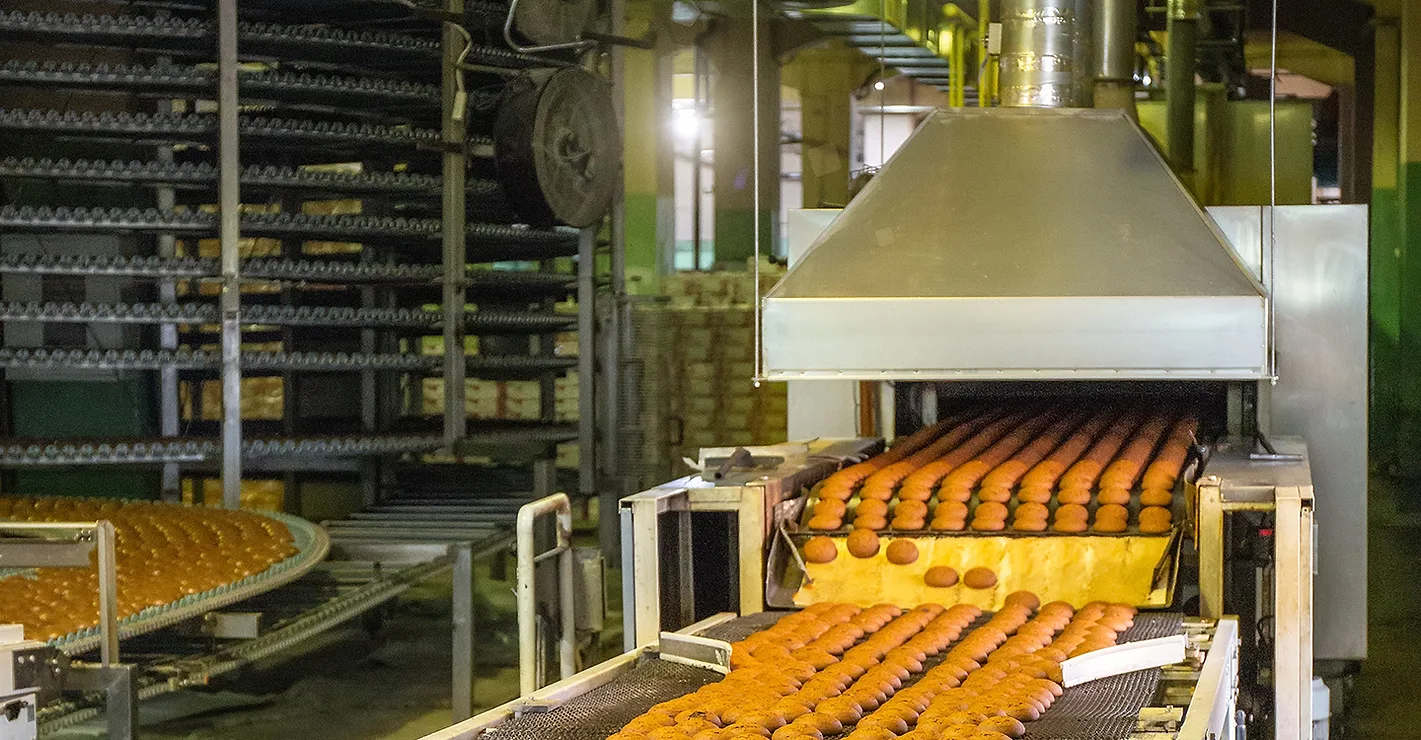
Manufacturers and producers are looking at ways to produce even more within an existing product line or develop new products that may require additional machines with higher capacity and greater efficiency.
Plan Confidently By Seeking Expert Guidance
So how do you finance the operating capital and/or renovation of existing facilities to meet demand with debt already on the books? The rate of technological advancement in food manufacturing and production continues to excel, and the need to upgrade or add equipment continues to escalate. Some lenders have backed away from loaning more money due to prevailing economic circumstances.
That’s what makes a communicative, collaborative banking partner so important. Working alongside a banker with a true, deep understanding of the unique specifics of food manufacturing operations and experience working with businesses in the industry can yield flexible options from a local, familiar decision-maker. An experienced banker can not only assist your business throughout the extensive process of planning for the cost of calculated expansion and new equipment but also be reactive and service-oriented when unexpected, tight timelines emerge.
Identifying Funding Options That Align With Business Goals
For a food manufacturer navigating current conditions and financing obstacles, securing funds can still be accomplished. Bankers with experience in lending within the industry may be able to provide flexible options not available from less specialized partners, such as a new term loan to draw against for the equipment or construction costs, while simultaneously refinancing existing debt. This type of financing doesn’t always occur at the lowest possible interest rate, but its flexibility accounts for the need to make payments and have new equipment fabricated and delivered in a timely manner.
A business successfully navigating its short-term financing needs and successfully growing its profitability could then qualify for additional financing in the future. That’s an often-overlooked key in choosing the right financing: a banker helping you to understand the short-term sacrifices with the overall big picture in mind.
Avoiding Common Mistakes When Applying For Business Loans
While some criteria weigh heavier than others, ensuring that crucial aspects of your business’s financial picture are in good shape will help create a better position when it is time for a loan decision to be made. Common loan stumbling blocks to avoid include:
- No Budget – A surprising number of businesses do not have a set budget, meaning the bank can’t forecast growth. It’s also a sign that it may be too early in the lifecycle for a bank to take the risk.
- Minimal Understanding Of Your Numbers – If there is difficulty explaining critical details of finances, it leaves the business owner—and the bank—vulnerable should financial challenges arise. Work with an accountant to maintain high-quality financial statements and detailed explanations that illustrate how well your business navigates economic cycles.
- Interest Rate Is A Primary Concern – Everyone wants the lowest possible interest rate, but if businesses are talking to multiple banks and pitting them against each other, a lender may see this as “rate shopping” rather than seeking a business partnership.
- Instability, Variability – If balance sheets show frequent highs and lows, providing background on these issues with the prospective banker can help mitigate concerns.
- Turnover Ratios Lengthening – Delays in paying vendors or collecting payments can worry a banker. There are many good explanations that will help overcome this hurdle and ensure the lender understands the nuances.
Having a handle on the current numbers and using those to create a forecast based on the upgrades creates an optimal environment for a business-banking partnership. This especially rings true when there is existing, verifiable demand and the increased efficiencies can be calculated to show increases in productivity.
Increased sales can increase profitability without the need to raise prices or compromise on quality—moves that can be detrimental in the long run. Collaborative, creative lenders can do more to support growth and help reach goals than some might realize.
Looking for a reprint of this article?
From high-res PDFs to custom plaques, order your copy today!