Food Engineering logo
search
cart
facebook twitter linkedin youtube
  • Sign In
  • Join Today
  • Sign Out
  • My Account
Food Engineering logo
  • NEWS
    • Latest Headlines
    • Manufacturing News
    • People & Industry News
    • Plant Openings
    • Recalls
    • Regulatory Watch
    • Supplier News
  • PRODUCTS
    • New Plant Products
    • New Retail Products
  • TOPICS
    • Alternative Protein
    • Automation
    • Cannabis
    • Cleaning | Sanitation
    • Cross-Functional Food Innovation
    • Fabulous Food Plants
    • Food Safety
    • Maintenance Strategies
    • OEE
    • Packaging
    • Sustainability
    • More
  • EXCLUSIVES
    • Plant Construction Survey
    • Plant of the Year
    • Sustainable Plant of the Year
    • State of Food Manufacturing
    • Top 100 Food & Beverage Companies
  • MEDIA
    • Podcasts
    • Videos
    • Webinars
    • White Papers
  • FOOD MASTER
  • EVENTS
    • Food Innovation & Manufacturing
    • Industry Events
  • RESOURCES
    • Newsletters
    • Custom Content & Marketing Services
    • FE Store
    • Government Links
    • Industry Associations
    • Market Research
    • Sponsor Insights
    • Classified Ads
  • EMAGAZINE
    • eMagazine
    • Archive Issue
    • Advertise
  • JOIN
Food SafetyLatest headlines

Regulatory Watch

USDA Unveils 5-Prong Plan to Combat Avian Flu, Reduce Egg Prices

Egg processing line
barbaragibbbons / E+ / Getty Images

Egg sales have notched 22 consecutive four-week periods of sales growth, despite record prices. Courtesy barbaragibbbons / E+ / Getty Images

February 27, 2025

U.S. Secretary of Agriculture Brooke Rollins has announced a $1 billion strategy to curb highly pathogenic avian influenza (HPAI), support the U.S. poultry industry and lower egg prices. 

The U.S. Department of Agriculture reports this is in addition to funding already being provided to indemnify growers for depopulated flocks.

The five-pronged strategy includes an additional $500 million for biosecurity measures, $400 million in financial relief for affected farmers, and $100 million for vaccine research, action to reduce regulatory burdens, and exploring temporary import options.

“American farmers need relief, and American consumers need affordable food,” Rollins says. “To every family struggling to buy eggs: We hear you, we’re fighting for you, and help is on the way.”

The USDA has detailed its five-pronged approach to address avian flu:


1. Invest in Biosecurity Measures for all U.S. Poultry Producers

  • USDA will expand its Wildlife Biosecurity Assessments to producers across the nation, beginning with egg-layer facilities, to safeguard farms from the cause of 83% of HPAI cases: transmission from wild birds. These additional safety measures have proven to minimize flu cases; the approximately 150 facilities that follow these protocols have had only one outbreak.
  • Biosecurity audits also will be expanded. Free biosecurity audits will continue for all HPAI-affected farms. Shortcomings for HPAI-affected farms must be addressed to remain eligible for indemnification for future infections within this outbreak. Biosecurity audits will be encouraged and made available to surrounding, non-affected farms.
  • USDA will deploy 20 trained epidemiologists as part of its increased biosecurity audits and Wildlife Biosecurity Assessments to provide actionable and timely advice to producers on how to reduce HPAI risk at their facilities. These experts will help improve current biosecurity measures to focus on protecting against spread through wild birds in addition to lateral spread.
  • USDA will share up to 75% of the costs to fix the highest risk biosecurity concerns identified by the assessments and audits, with a total available investment of up to $500 million.


2. Increase Relief to Aid Farmers and Accelerate Repopulation

  • APHIS will continue to indemnify producers whose flocks must be depopulated to control the further spread of HPAI.
  • New programs are being explored to aid farmers to accelerate the rate of repopulation, including ways to simplify the approval process to speed recovery.
  • Up to $400 million will be available to support these costs for the remainder of the fiscal year.


3. Remove Unnecessary Regulatory Burdens on the Chicken and Egg Industry to Further Innovation and Reduce Consumer Prices

  • USDA is working alongside partners at the U.S. Food and Drug Administration to examine strategies to safely expand supply in the commercial market for eggs.
  • USDA will minimize burdens on individual farmers and consumers who harvest homegrown eggs.
  • USDA will work with farmers and scientists to develop innovative strategies to limit the extent of depopulations in HPAI outbreaks.
  • USDA will educate consumers and Congress on the need to fix the problem of geographical price differences for eggs, such as in California, where recent regulatory burdens, in addition to avian flu, have resulted in the price of eggs being 60% higher than other regions of the country.


4. Explore Pathways toward Vaccines, Therapeutics and Other Strategies for Protecting Egg Laying Chickens to Reduce Instances of Depopulation

  • USDA will work on a strategy for potential new generation vaccines, therapeutics and other solutions to minimize depopulation of egg laying chickens, along with increased bio-surveillance targeted at egg laying chickens in and around outbreaks. Up to a $100 million investment will be available for innovation in this area.
  • USDA will work with trading partners to limit impacts to export trade markets from potential vaccination. Additionally, USDA will work alongside the U.S. Department of Health and Human Services to ensure the public health and safety of any such approaches include considerations of tradeoffs between public health and infectious disease strategy.
  • USDA will solicit public input on solutions, and will involve governors, state Departments of Agriculture, state veterinarians, and poultry and dairy farmers on vaccine and therapeutics strategy, logistics and surveillance. USDA will immediately begin holding biweekly discussions on this and will also brief the public on its progress biweekly until further notice.


5. Consider Temporary Import-Export Options to Reduce Costs on Consumers and Evaluate International Best Practices

  • USDA will explore options for temporarily increasing egg imports and decreasing exports, if applicable, to supplement the domestic supply, subject to safety reviews.
  • USDA will evaluate international best practices in egg production and safety to determine any opportunities to increase domestic supply.
KEYWORDS: eggs USDA

Share This Story

Looking for a reprint of this article?
From high-res PDFs to custom plaques, order your copy today!
Recommended Content

JOIN TODAY
to unlock your recommendations.

Already have an account? Sign In

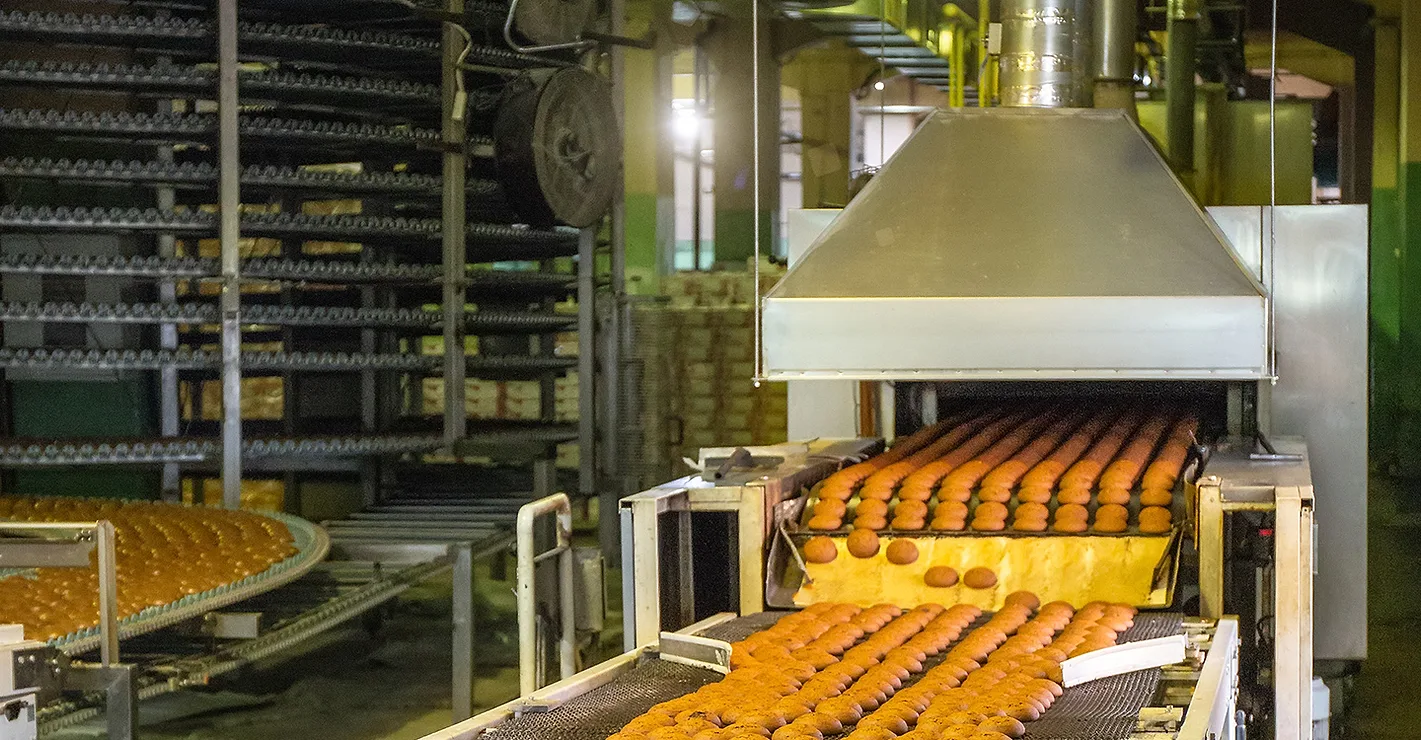
  • Bread going through conveyor belt in manufacturing plant.

    The State of Food Manufacturing in 2026

    Food and beverage manufacturers encounter significant...
    Automation
    By: Alyse Thompson-Richards
  • FE Top100 Food & Beverage Companies hero, gold lettering with black background.

    FOOD ENGINEERING’s 2026 Top 100 Food and Beverage Companies

    See where the world’s leading food and beverage companies...
    People & Industry News
    By: Alyse Thompson-Richards
  • CJ Schwan’s Salina facility.

    Recipe for Growth: How CJ Schwan’s Powers Pizza Production with People and Automation

    Blending advanced automation with purposeful design, this...
    Plant of the Year
    By: Alyse Thompson-Richards
Manage My Account
  • Join Food Engineering
  • Manage My Preferences
  • Customer Service

More Videos

Sponsored Content

Sponsored Content is a special paid section where industry companies provide high quality, objective, non-commercial content around topics of interest to the Food Engineering audience. All Sponsored Content is supplied by the advertising company and any opinions expressed in this article are those of the author and not necessarily reflect the views of Food Engineering or its parent company, BNP Media. Interested in participating in our Sponsored Content section? Contact your local rep!

close
  • Illustration of businessman standing in the middle of a large scale, balancing between two green dollar signs at each end, one larger than the other. Blue background with very small white clouds.
    Sponsored by3-A Sanitary Standards, Inc.

    6 Questions: Before You Buy Food Processing Equipment

  • Construction crews use aerial lifts to install insulated wall panels inside an industrial facility.
    Sponsored byBurns & McDonnell

    Food Manufacturing’s Growth Calls for Integrated Project Delivery

  • Close-up of a group of freshly baked stuffed empanadas being transferred onto a conveyor belt.
    Sponsored byDorner

    Smarter Line Design Improves Food Manufacturing Efficiency and Throughput

Popular Stories

Bread going through conveyor belt in manufacturing plant.

The State of Food Manufacturing in 2026

Niagara Bottling Facility

Niagara Bottling Opens $141M Facility in Kentucky

An event host is presenting to a group of PACK EXPO event attendees.

Product Preview: PACK EXPO International Returns to Chicago

An image of baked bread on a conveyor belt with text promoting the 2026 State of Food Manufacturing report.

Events

January 1, 2030

Webinar Sponsorship Information

For webinar sponsorship information, visit www.bnpevents.com/webinars or email webinars@bnpmedia.com.

View All Submit An Event

Products

Food Process Engineering and Technology, 3E

Food Process Engineering and Technology, 3E

Combining scientific depth with practical usefulness, this book serves as a tool for graduate students as well as practicing food engineers, technologists and researchers looking for the latest information on transformation and preservation processes as well as process control and plant hygiene topics.

See More Products
Promo for the 2027 Plant of the Year Award


CHECK OUT OUR NEW ESSENTIAL TOPICS

Alternative Protein Automation Cleaning/Sanitation Fabulous Food Plants

Food Safety Maintenance Strategies OEE

Packaging Sustainability

Related Articles

  • From the editor

    Egg Prices Remain Tough to Crack

    See More
  • Egg processing line

    Cal-Maine Foods Reports Cooperation with DOJ Investigation into Egg Prices

    See More
  • Bipartisan support for avian flu crisis

    See More

Related Products

See More Products
  • download.jpg

    Recent Advances in Ready-to-Eat Food Technology

See More Products
×

Elevate your expertise in food engineering with unparalleled insights and connections.

Get the latest industry updates tailored your way.

JOIN TODAY!
  • RESOURCES
    • Advertise
    • Contact Us
    • Food Master
    • Store
  • JOIN TODAY
    • Create Account
    • eMagazine
    • Newsletter
    • Customer Service
    • Manage Preferences
  • SERVICES
    • Marketing Services
    • Reprints
    • Market Research
    • List Rental
    • Survey/Respondent Access
  • STAY CONNECTED
    • LinkedIn
    • Facebook
    • YouTube
    • X (Twitter)
  • PRIVACY
    • PRIVACY POLICY
    • TERMS & CONDITIONS
    • DO NOT SELL MY PERSONAL INFORMATION
    • PRIVACY REQUEST
    • ACCESSIBILITY

Copyright ©2026. All Rights Reserved BNP Media, Inc. and BNP Media II, LLC.

Design, CMS, Hosting & Web Development :: ePublishing