Food Engineering logo
search
cart
facebook twitter linkedin youtube
  • Sign In
  • Create Account
  • Sign Out
  • My Account
Food Engineering logo
  • NEWS
    • Latest Headlines
    • Manufacturing News
    • People & Industry News
    • Plant Openings
    • Recalls
    • Regulatory Watch
    • Supplier News
  • PRODUCTS
    • New Plant Products
    • New Retail Products
  • TOPICS
    • Alternative Protein
    • Automation
    • Cannabis
    • Cleaning | Sanitation
    • Cross-Functional Food Innovation
    • Fabulous Food Plants
    • Food Safety
    • Maintenance Strategies
    • OEE
    • Packaging
    • Sustainability
    • More
  • EXCLUSIVES
    • Plant Construction Survey
    • Plant of the Year
    • Sustainable Plant of the Year
    • State of Food Manufacturing
    • Top 100 Food & Beverage Companies
  • MEDIA
    • Podcasts
    • Videos
    • Webinars
    • White Papers
  • FOOD MASTER
  • EVENTS
    • Food Automation & Manufacturing Symposium and Expo
    • Industry Events
  • RESOURCES
    • Newsletter
    • Custom Content & Marketing Services
    • FE Store
    • Government Links
    • Industry Associations
    • Market Research
    • Sponsor Insights
    • Classified Ads
  • EMAGAZINE
    • eMagazine
    • Archive Issue
    • Advertise
  • SIGN UP!
Latest headlinesManufacturing News

Agricultural Research

Protein found in fungus bypasses plant defenses

Knowledge of SsPINE1 could help researchers develop new, more precise system of control measures for the Sclerotinia sclerotiorum fungus

ARS Protein in Fungus.jpg

A newly discovered protein helps the fungus that causes white mold stem rot in sunflowers and more than 600 other plant species bypass the plants’ defenses.

Photo courtesy of Agricultural Research Service

April 25, 2022

The Agricultural Research Service (ARS) reports that a protein which allows the fungus that causes white mold stem rot in more than 600 plant species to overcome plant defenses has been identified by a team of USDA ARS and Washington State University scientists.

Knowledge of this protein, called SsPINE1, could help researchers develop new, more precise system of control measures for the Sclerotinia sclerotiorum fungus, which attacks potatoes, soybeans, sunflowers, peas, lentils, canola, and many other broad leaf crops. The damage can add up to billions of dollars in a year of bad outbreaks.

S. sclerotiorum fungi cause plants to rot and die by secreting chemicals called polygalacturonases (PG), which break down the plant’s cell walls. Plants evolved a way to protect themselves by producing a protein that stops or inhibits the fungus’ PG, labeled PGIP, which was discovered in 1971. Since then, scientists have known that some fungal pathogens have a way to overcome plant’s PGIP. But they had not been able to identify it.

“What you have is essentially a continuous arms race between fungal pathogens and their plant hosts, an intense battle of attack, counterattack and counter-counterattack in which each is constantly developing and shifting its chemical tactics in order to bypass or overcome the other's defenses,” says research plant pathologist Weidong Chen with the ARS Grain Legume Genetics Physiology Research Unit in Pullman, Wash., and leader of the study just published in Nature Communications.

The key to identifying SsPINE1 was looking outside the fungi cells, according to Chen.

“We found it by looking at the materials excreted by the fungus,” he says. “And there it was. When we found this protein, SsPINE1, which interacted with PGIP, it made sense.”

Then to prove that the protein SsPINE1 was what allowed Sclerotinia to bypass plants’ PGIP, Chen and his colleagues deleted the protein in the fungus in the lab, which dramatically reduced its impact.

“I got goosebumps when we found this protein,” says Kiwamu Tanaka, an associate professor in Washington State University's Department of Plant Pathology and a co-author on the paper. "It answered all these questions scientists have had for the last 50 years: Why these fungi always overcome plant defenses? Why do they have such a broad host range, and why are they so successful?”

The discovery of SsPINE1 has opened new avenues to investigate for controlling white mold stem rot pathogens, including possibly even more effective, more targeted breeding to make plants naturally resistant to sclerotinia diseases. And the team has showed that other related fungal pathogens use this counter-strategy, which only serves to make this discovery even more important.

This research is part of the National Sclerotinia Initiative, a multiorganization effort that ARS created to counterattack S. sclerotiorum because the fungus does so much damage around the world.

The research team included scientists from USDA-ARS, WSU, Northwestern A&F University in Shaanxi, China, Wuhan Polytechnic University in Wuhan, China and Huazhong Agricultural University in Wuhan.

KEYWORDS: agriculture technology food safety research USDA

Share This Story

Looking for a reprint of this article?
From high-res PDFs to custom plaques, order your copy today!
Recommended Content

JOIN TODAY
to unlock your recommendations.

Already have an account? Sign In

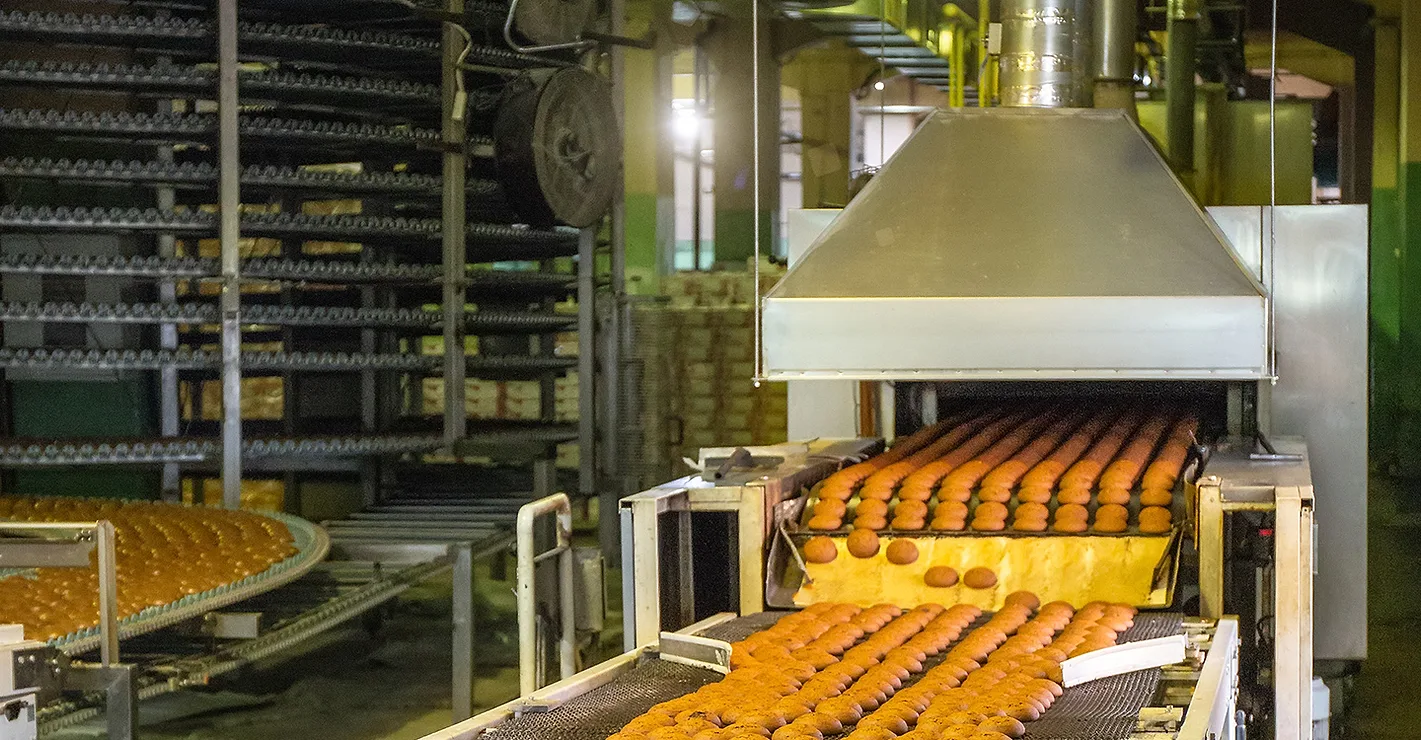
  • Bread going through conveyor belt in manufacturing plant.

    The State of Food Manufacturing in 2026

    Food and beverage manufacturers encounter significant...
    State of Food Manufacturing
    By: Alyse Thompson-Richards
  • FE Top100 Food & Beverage Companies hero, gold lettering with black background.

    FOOD ENGINEERING’s 2026 Top 100 Food and Beverage Companies

    See where the world’s leading food and beverage companies...
    Manufacturing News
    By: Alyse Thompson-Richards
  • CJ Schwan’s Salina facility.

    Recipe for Growth: How CJ Schwan’s Powers Pizza Production with People and Automation

    Blending advanced automation with purposeful design, this...
    Plant of the Year
    By: Alyse Thompson-Richards
Manage My Account
  • eMagazine
  • Newsletter
  • Online Registration
  • Manage My Preferences
  • Customer Service

More Videos

Sponsored Content

Sponsored Content is a special paid section where industry companies provide high quality, objective, non-commercial content around topics of interest to the Food Engineering audience. All Sponsored Content is supplied by the advertising company and any opinions expressed in this article are those of the author and not necessarily reflect the views of Food Engineering or its parent company, BNP Media. Interested in participating in our Sponsored Content section? Contact your local rep!

close
  • Illustration of businessman standing in the middle of a large scale, balancing between two green dollar signs at each end, one larger than the other. Blue background with very small white clouds.
    Sponsored by3-A Sanitary Standards, Inc.

    6 Questions: Before You Buy Food Processing Equipment

  • Construction crews use aerial lifts to install insulated wall panels inside an industrial facility.
    Sponsored byBurns & McDonnell

    Food Manufacturing’s Growth Calls for Integrated Project Delivery

  • Close-up of a group of freshly baked stuffed empanadas being transferred onto a conveyor belt.
    Sponsored byDorner

    Smarter Line Design Improves Food Manufacturing Efficiency and Throughput

Popular Stories

Illustration of businessman standing in the middle of a large scale, balancing between two green dollar signs at each end, one larger than the other. Blue background with very small white clouds.

6 Questions: Before You Buy Food Processing Equipment

Maple Leaf Foods photo

Maple Leaf Foods to Consolidate Plant Protein Production

Bread going through conveyor belt in manufacturing plant.

The State of Food Manufacturing in 2026

An image of baked bread on a conveyor belt with text promoting the 2026 State of Food Manufacturing report.

Events

January 1, 2030

Webinar Sponsorship Information

For webinar sponsorship information, visit www.bnpevents.com/webinars or email webinars@bnpmedia.com.

View All Submit An Event

Products

Food Process Engineering and Technology, 3E

Food Process Engineering and Technology, 3E

Combining scientific depth with practical usefulness, this book serves as a tool for graduate students as well as practicing food engineers, technologists and researchers looking for the latest information on transformation and preservation processes as well as process control and plant hygiene topics.

See More Products
Promo for the 2027 Plant of the Year Award


CHECK OUT OUR NEW ESSENTIAL TOPICS

Alternative Protein Automation Cleaning/Sanitation Fabulous Food Plants

Food Safety Maintenance Strategies OEE

Packaging Sustainability

Related Articles

  • Destructive food pest found in Philadelphia rice shipment

    Destructive food pest found in Philadelphia rice shipment

    See More
  • USDA issues statement on genetically modified wheat found in Oregon

    See More
  • No horse meat found in latest EU and industry testing

    See More

Related Products

See More Products
  • 9781138081420.jpg

    Ultraviolet Light in Food Technology: Principles and Applications, 2nd Edition

See More Products
×

Elevate your expertise in food engineering with unparalleled insights and connections.

Get the latest industry updates tailored your way.

JOIN TODAY!
  • RESOURCES
    • Advertise
    • Contact Us
    • Food Master
    • Store
    • Want More
  • SIGN UP TODAY
    • Create Account
    • eMagazine
    • Newsletter
    • Customer Service
    • Manage Preferences
  • SERVICES
    • Marketing Services
    • Reprints
    • Market Research
    • List Rental
    • Survey/Respondent Access
  • STAY CONNECTED
    • LinkedIn
    • Facebook
    • YouTube
    • X (Twitter)
  • PRIVACY
    • PRIVACY POLICY
    • TERMS & CONDITIONS
    • DO NOT SELL MY PERSONAL INFORMATION
    • PRIVACY REQUEST
    • ACCESSIBILITY

Copyright ©2026. All Rights Reserved BNP Media, Inc. and BNP Media II, LLC.

Design, CMS, Hosting & Web Development :: ePublishing