Turning Process Loss into Performance Gains: Waste Reduction Strategies for Food Manufacturers

Rising costs across the supply chain are impacting nearly every industry, and food manufacturing is no exception.
Balancing production efficiency with product quality and regulatory demands has always been delicate for food manufacturers, but these economic pressures are making it increasingly difficult. In food manufacturing facilities today, every input is more valuable, and any waste is harder to justify.
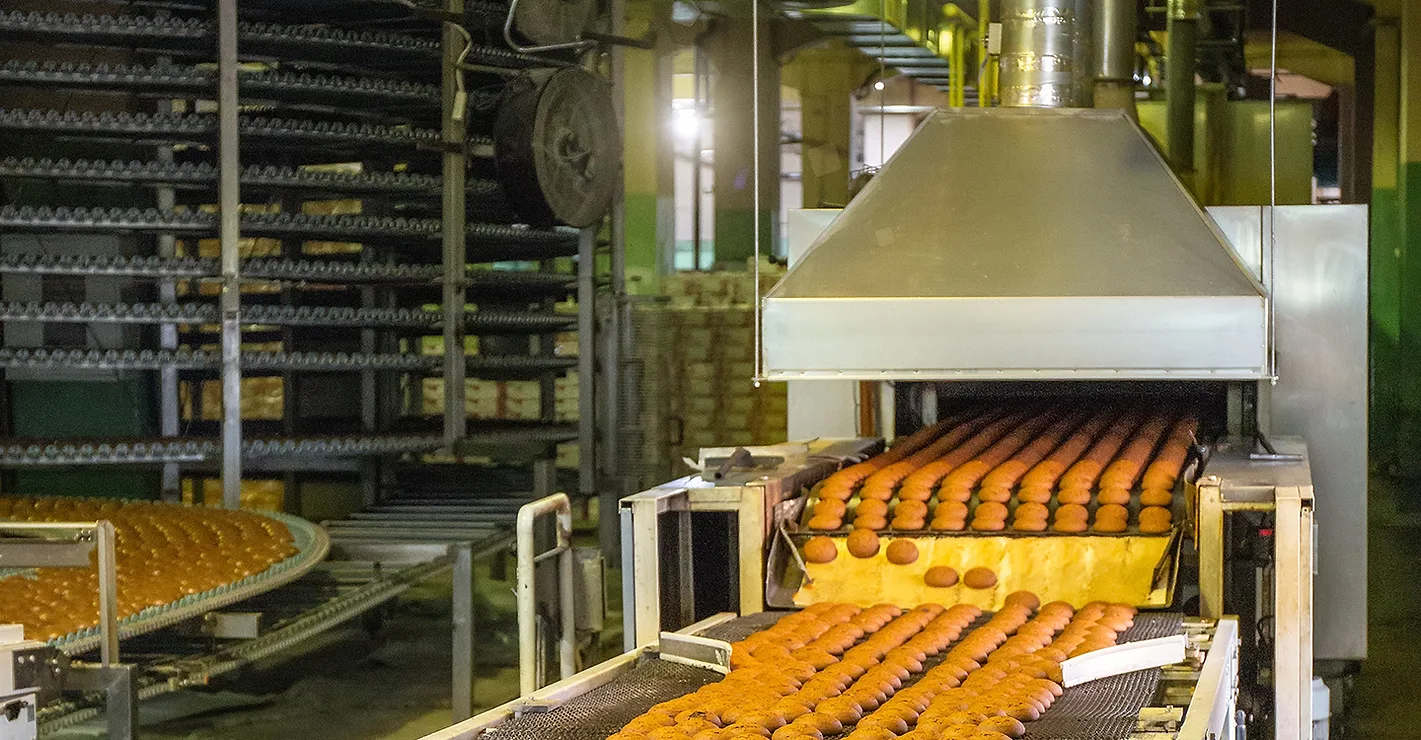
Despite these realities, many facilities continue to overlook the value of recovering ingredients or byproducts rather than discarding them. While waste in manufacturing is rarely deliberate, it easily creeps in through the everyday realities of production. Routine processes or issues, such as cleanouts or packaging errors, can erode margins and make companies more vulnerable to regulatory or environmental risks.
Manufacturers that are shifting their views and approaches to waste reduction — seeing it as a critical driver of performance — are also seeing the greatest gains despite a shaky economic outlook. With better data and more engaged teams, manufacturers are uncovering inefficiencies and turning them into measurable results.
Equipping Employees to Prevent Waste at the Source
Employees who understand how and why waste occurs are in the best position to prevent it, especially those who work on the production floor where waste begins. But training alone isn’t enough. Manufacturers make real progress when they build more robust programs with repeatable steps that help teams see where waste begins and act on it quickly.
Think about employees in operations and maintenance who manage constant adjustments on the line, from calibration issues to product changeovers. They understand that even the most minor deviations, from batching errors to mislabeling or line downtime, can equal significant losses. If those same individuals know how to spot recurring issues, they can uncover patterns that might otherwise remain hidden.
This kind of organizational-wide awareness requires data and accountability. When facilities track waste within their existing production data, they can more easily connect loss to root causes. Regular audits and open communication between operations and quality teams help keep waste prevention top of mind. Over time, that collaboration turns reduction into a shared effort across a facility.
Recognition also matters. When teams are rewarded for reducing waste, they start looking more closely at how every step of production affects yield and throughput. That shift in mindset drives improvements in both efficiency and morale.

How Food Manufacturers Can Build a Culture of Waste Reduction
Andrew Johnston, vice president and general manager, industrials, for Divert, Inc, discusses where food waste appears in food manufacturing, the role of anaerobic digestion, and how to build a culture of waste reduction.
Recovering Value through Anaerobic Digestion
Even in the most optimized operations, some byproducts can’t be avoided, but that doesn’t mean they should be written off as waste or treated as valueless. Anaerobic digestion has become one of the most practical and proven ways to capture that remaining value in large-volume operations.
In this process, microorganisms convert organic material in oxygen-free environments into renewable natural gas and nutrient-rich soil products that can be reused locally. Unlike traditional disposal or composting, anaerobic digestion can handle a mix of materials, from commingled slurries and DAF/SAF residues to packaged products ready for discard. That flexibility makes it well-suited for food and beverage manufacturers dealing with complex waste streams.
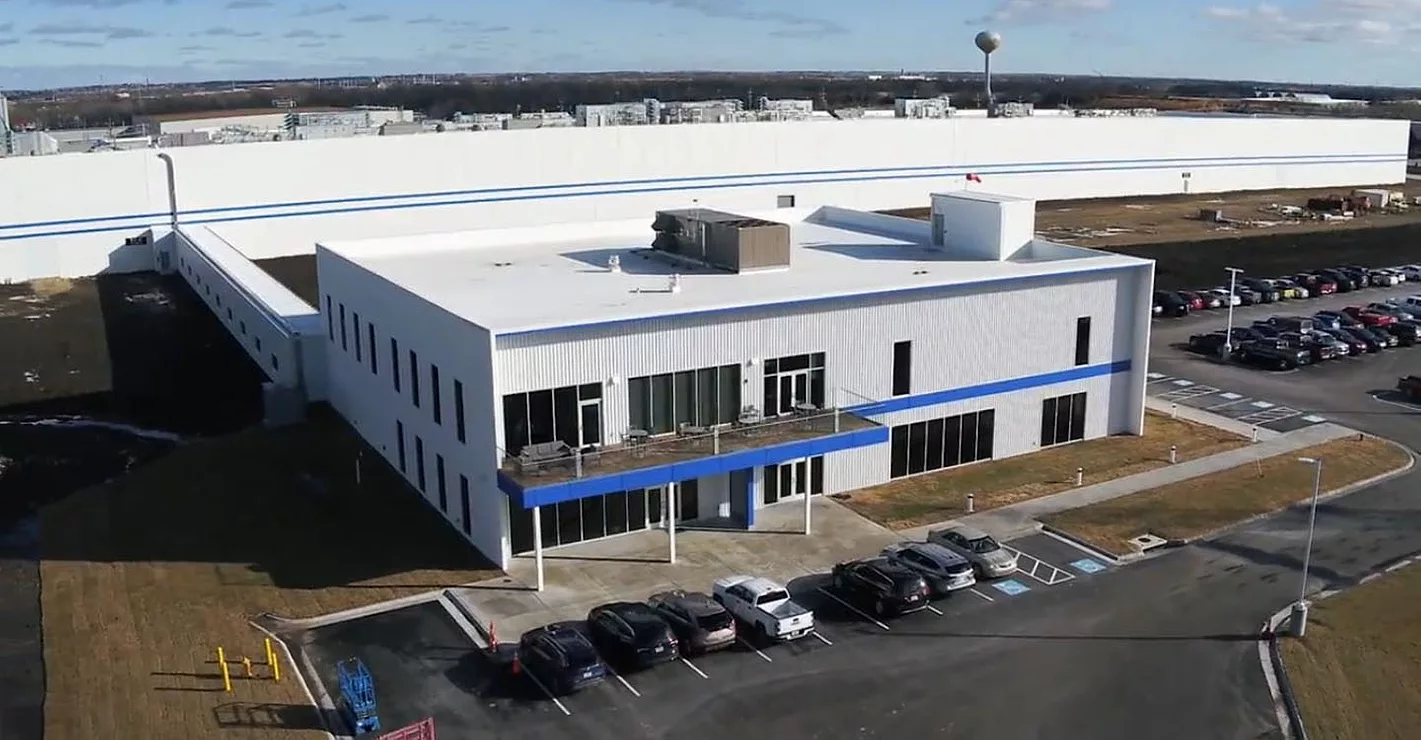
Anaerobic digestion is also particularly beneficial for facilities that work with processors equipped for responsible depackaging. Gentle separation methods paired with liquid screening irreversibly destroy branded packaging and limit the spread of microplastics in soil amendment. Some providers, including Divert, provide verified reports detailing what was processed and how it was managed, bringing new levels of transparency to sustainability and compliance teams.
When it’s part of a larger waste management strategy, anaerobic digestion turns disposal into a measurable contributor to both environmental and business performance.
Using Compliance to Reduce Both Waste and Risk
Compliance has long shaped food manufacturing. It protects product integrity, maintains brand trustworthiness and helps ensure consistency. But it can also play a meaningful role in waste reduction. As more states introduce or tighten waste mandates, the need to handle recalled, expired or mispackaged goods responsibly has never been greater.
Certified facilities that provide secure destruction also give the manufacturers documented assurance that products are fully processed and can’t re-enter the market. Beyond meeting requirements, this kind of oversight builds confidence across the chain, from regulators to customers to internal teams.
Verified reporting from these facilities gives manufacturers a clearer view of their compliance performance and connects disposal data back to production. Being able to see where and why products are being discarded helps manufacturers also see the upstream errors that cause unnecessary waste.
When compliance and waste management operate as a single, connected system, they reinforce each other, reducing risk, improving accountability and enhancing environmental outcomes.
Building a Culture of Continuous Waste Reduction
Successful and impactful waste reduction programs have to be just that — programs. They can’t rely on one-off tactics or temporary fixes. Manufacturers need to view waste reduction as an evolving strategy and a measurable performance metric that can be refined over time.
Another critical component of an effective waste management program is the data it produces. When information from production, logistics and disposal systems is connected, it gives manufacturers a more complete view of where inefficiencies occur and how they affect operations.
Better insight leads to better decisions, and that matters more than ever. The economy is unpredictable, and businesses across industries are seeking ways to remain resilient. Manufacturers that keep material loss under control are better prepared for supply fluctuations and rising disposal costs. Operating predictably helps them stay compliant and maintain trust with customers and investors.
While reducing waste is inherently an environmental responsibility, it’s also a critical business objective that protects value and the bottom line. Manufacturers that engage employees, recover value through advanced processing, and uphold strong compliance standards can turn process losses into lasting performance and progress.
Because, ultimately, the future of food manufacturing will be defined less by how much waste we avoid and more by how much value we can bring back into use.
Looking for a reprint of this article?
From high-res PDFs to custom plaques, order your copy today!