Food Engineering logo
search
cart
facebook twitter linkedin youtube
  • Sign In
  • Create Account
  • Sign Out
  • My Account
Food Engineering logo
  • NEWS
    • Latest Headlines
    • Manufacturing News
    • People & Industry News
    • Plant Openings
    • Recalls
    • Regulatory Watch
    • Supplier News
  • PRODUCTS
    • New Plant Products
    • New Retail Products
  • TOPICS
    • Alternative Protein
    • Automation
    • Cannabis
    • Cleaning | Sanitation
    • Cross-Functional Food Innovation
    • Fabulous Food Plants
    • Food Safety
    • Maintenance Strategies
    • OEE
    • Packaging
    • Sustainability
    • More
  • EXCLUSIVES
    • Plant Construction Survey
    • Plant of the Year
    • Sustainable Plant of the Year
    • State of Food Manufacturing
    • Top 100 Food & Beverage Companies
  • MEDIA
    • Podcasts
    • Videos
    • Webinars
    • White Papers
  • FOOD MASTER
  • EVENTS
    • Food Automation & Manufacturing Symposium and Expo
    • Industry Events
  • RESOURCES
    • Newsletter
    • Custom Content & Marketing Services
    • FE Store
    • Government Links
    • Industry Associations
    • Market Research
    • Sponsor Insights
    • Classified Ads
  • EMAGAZINE
    • eMagazine
    • Archive Issue
    • Advertise
  • SIGN UP!
Maintenance Strategies

Rethinking Electrical Maintenance in Food & Beverage Manufacturing
By Grant Peagler
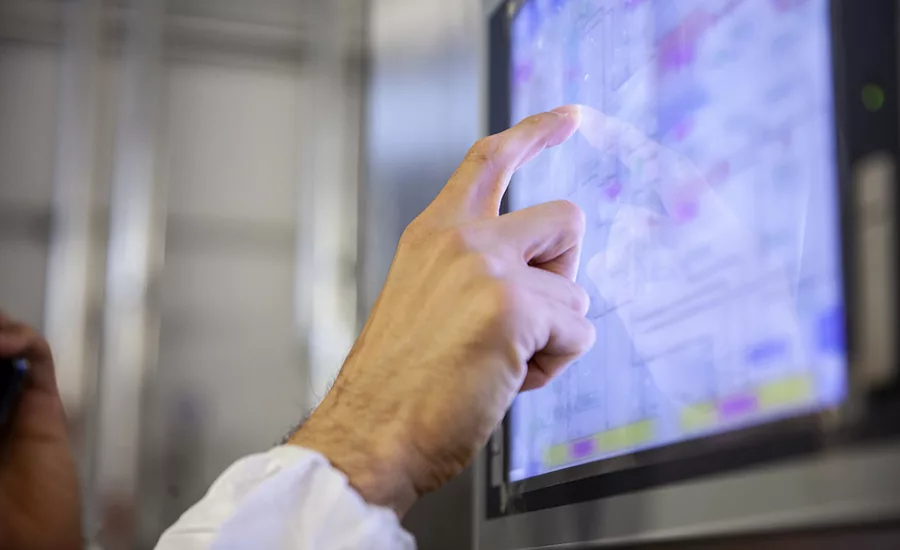
manufacturing worker looking at a screen
Getty Images
Photo courtesy: Getty Images / Mindful Media
February 16, 2026

Food and beverage manufacturers are under more pressure than ever to operate safely, reliably and efficiently, often with aging infrastructure and fewer experienced resources. Downtime is costly, safety expectations are rising, and compliance requirements are becoming more demanding. Yet electrical distribution systems, which quietly support every process in the plant, are often still maintained using methods that haven’t fundamentally changed in decades.

What’s becoming clear is that electrical systems can no longer be treated as passive assets — they are active contributors to uptime, safety and operational risk. As standards such as NFPA 70B evolve and production demands increase, food and beverage leaders are rethinking how electrical maintenance fits into their broader operational strategy.


The Industry Is Facing a Set of Common Challenges

Across food and beverage facilities — whether they belong to large, multisite producers or single-plant operations — the same challenges come up again.

1. Limited Visibility into Electrical Health

Most electrical failures don’t happen without warning. Connections heat up, environmental conditions change and components slowly degrade over time. The problem is that traditional maintenance approaches rely on periodic inspections that provide only snapshots. Between those inspections, conditions can change significantly without anyone knowing.
Maintenance Strategies

Explore More Maintenance Strategies

Without continuous visibility, teams are forced to react to symptoms rather than address causes. This reactive approach increases the likelihood of unplanned outages, safety events and rushed decision-making.

2. Maintenance Teams Are Already Overextended

Food and beverage plants are feeling the impact of skilled labor shortages. Experienced electricians are harder to find, and existing teams are being asked to cover more assets with less time. At the same time, documentation and compliance expectations are increasing.

Every manual inspection, follow-up measurement and subjective judgment adds to the burden. When maintenance programs depend heavily on people remembering what to check and when to check it, consistency becomes difficult to sustain.

3. Compliance Expectations Are Rising

NFPA 70B has made it clear that condition-based maintenance is no longer optional; it’s the preferred approach. This shift requires more than good intentions. It requires objective evidence that equipment has been evaluated, that risks are understood and that maintenance decisions are based on actual condition rather than assumptions.

For many organizations, this creates anxiety. The standard isn’t just asking what you did, but why you did it and whether you can prove it.

4. Safety, Reliability and Operations Are Still Siloed

In many plants, safety programs, reliability initiatives and operational goals are managed separately. Each group may be doing good work, but when information isn’t shared, opportunities are missed. Hazardous conditions may be identified late, reliability risks may go unaddressed and maintenance work may be prioritized based on urgency rather than impact.

The industry is recognizing that these disciplines are deeply connected. Identifying hazardous conditions early isn’t just a safety issue — it’s a reliability and uptime issue as well.

5. Electrical Systems Are Often Left Out of Digital Strategy

Most food and beverage organizations have invested heavily in digital tools for production, quality and supply chain visibility. Electrical distribution systems, however, are frequently left out of this transformation.

When electrical assets remain “dark,” they can’t contribute to better planning, risk reduction or long-term lifecycle decisions. This disconnect limits the effectiveness of broader digital initiatives.


How Leading Organizations Are Responding

Forward-looking food and beverage manufacturers are addressing these challenges by changing how they think about electrical maintenance, not by adding more work, but by reducing uncertainty.

Rather than relying solely on periodic inspections, organizations are adopting approaches that provide continuous awareness of electrical conditions. This allows hazardous conditions to be identified early, long before they escalate into failures or safety incidents.

Digital condition awareness shifts the burden from people to systems. When equipment condition is monitored continuously, maintenance teams spend less time chasing potential issues and more time addressing confirmed risks. This approach supports consistency even when staffing is limited and helps ensure that critical issues don’t depend solely on individual experience.

Instead of treating compliance documentation as a separate task, leading organizations are embedding it into everyday operations. Continuous condition records create a natural audit trail that supports NFPA 70B expectations without adding layers of paperwork. Maintenance decisions become easier to justify because they’re grounded in observable behavior rather than assumptions.

When hazardous conditions are identified early, safety and reliability objectives naturally align. Work can be planned more deliberately, risks can be prioritized more accurately and unplanned downtime becomes less frequent. This alignment strengthens trust between operations, maintenance and safety teams, and supports better outcomes across the board.

Treating electrical distribution as an intelligent platform rather than static infrastructure allows it to participate in broader digital strategies. Condition insight supports lifecycle planning, capital decisions, and long-term reliability improvements. It also elevates electrical systems from a background concern to a strategic asset.


Looking Ahead

The food and beverage industry is moving toward a future in which electrical maintenance is proactive, data-informed and integrated into the overall operational strategy. This shift isn’t about adopting a specific product — it’s about embracing visibility, accountability and foresight.

As expectations continue to rise, organizations that rethink electrical maintenance today will be better positioned to operate safely, reliably and competitively tomorrow.

KEYWORDS: electricity maintenance management

Share This Story

Looking for a reprint of this article?
From high-res PDFs to custom plaques, order your copy today!
Grant Peagler is national business development manager at Siemens. Peagler works with a diverse team of experts to identify and pursue new opportunities, create and execute strategic plans, and foster long-term relationships with key stakeholders. He leverages skills in data analytics, critical thinking and teamwork to analyze market trends, customer needs and competitive advantages to craft compelling value propositions and pitches.

Recommended Content

JOIN TODAY
to unlock your recommendations.

Already have an account? Sign In

  • 2025 Top 100 Food and Beverage Companies

    FOOD ENGINEERING’s 2025 Top 100 Food and Beverage Companies

    While sales were largely down under dynamic economic and...
    Top 100 Food & Beverage Companies
    By: Alyse Thompson-Richards
  • Bottling machine

    How Optical and X-Ray Inspection Supports Bottling Safety and Quality

    By transitioning from legacy single-technology systems to...
    Food Safety
    By: Dan McKee
  • Bread baking in oven

    The State of Food Manufacturing in 2025

    Food and beverage manufacturers are investing in...
    Manufacturing News
    By: Alyse Thompson-Richards
Manage My Account
  • eMagazine
  • Newsletter
  • Online Registration
  • Manage My Preferences
  • Customer Service

More Videos

Sponsored Content

Sponsored Content is a special paid section where industry companies provide high quality, objective, non-commercial content around topics of interest to the Food Engineering audience. All Sponsored Content is supplied by the advertising company and any opinions expressed in this article are those of the author and not necessarily reflect the views of Food Engineering or its parent company, BNP Media. Interested in participating in our Sponsored Content section? Contact your local rep!

close
  • AI-enhanced technology in CIP operations
    Sponsored byEcolab

    Using AI to unlock new value from your CIP processes

Popular Stories

CJ Schwans pizza plant

FOOD ENGINEERING Names 2026 Plant of the Year

food manufacturing

AI, Sustainability and Health: Top Food Industry Trends in 2026

Boars Head logo

Boar’s Head Reopens Plant Connected to Listeria Outbreak

State of Maufacturing 2025

Events

June 17, 2025

Refrigerated & Frozen Foods’ State of the Cold Chain

On Demand Kelley Rodriguez, Editor in Chief of Refrigerated & Frozen Foods, will be joined in this 60-minute webinar by industry experts to help unpack the latest research.

July 23, 2025

Decarbonizing Process Heat: What You Should Know and Next Steps

On Demand Driven by climate goals, business risk, client interest, and resilience considerations, food and beverage companies are increasingly turning their attention to decarbonizing their production processes.

View All Submit An Event

Products

Recent Advances in Ready-to-Eat Food Technology

Recent Advances in Ready-to-Eat Food Technology

See More Products

CHECK OUT OUR NEW ESSENTIAL TOPICS

Alternative ProteinAutomationCleaning/SanitationFabulous Food Plants

Food SafetyMaintenance StrategiesOEE

PackagingSustainability

Related Articles

  • Distribution trucks in a parking lot.

    The Sustainability Blind Spot: Rethinking Yard Operations in Food & Beverage Supply Chains

    See More
  • Lubricant

    Exploring the Role Food-Grade Lubricants Play in Food and Beverage Manufacturing

    See More
  • Reliance on digital technologies poses a security risk

    Cybersecurity in Food and Beverage Manufacturing: Protecting the Heart of Operations

    See More

Related Products

See More Products
  • small-occ.jpg

    Occupational Health and Safety in the Food and Beverage Industry

  • Cleaning-in-Place: Dairy, Food and Beverage Operations, 3rd Edition

  • food crime.jpg

    Food Crime: An Introduction to Deviance in the Food Industry

See More Products

Events

View AllSubmit An Event
  • June 5, 2025

    Mass Customization Driving Innovation in the Food and Beverage Industry

    On Demand The food and beverage industry is at the nexus of transformative global manufacturing trends, driving a shift toward personalized, customer-centric solutions. 
View AllSubmit An Event
×

Elevate your expertise in food engineering with unparalleled insights and connections.

Get the latest industry updates tailored your way.

JOIN TODAY!
  • RESOURCES
    • Advertise
    • Contact Us
    • Food Master
    • Store
    • Want More
  • SIGN UP TODAY
    • Create Account
    • eMagazine
    • Newsletter
    • Customer Service
    • Manage Preferences
  • SERVICES
    • Marketing Services
    • Reprints
    • Market Research
    • List Rental
    • Survey/Respondent Access
  • STAY CONNECTED
    • LinkedIn
    • Facebook
    • YouTube
    • X (Twitter)
  • PRIVACY
    • PRIVACY POLICY
    • TERMS & CONDITIONS
    • DO NOT SELL MY PERSONAL INFORMATION
    • PRIVACY REQUEST
    • ACCESSIBILITY

Copyright ©2026. All Rights Reserved BNP Media.

Design, CMS, Hosting & Web Development :: ePublishing