Case Study
How Koch Foods Streamlined Endpoint Operations with a Unified Thin Client Strategy
In food manufacturing, uptime is everything. From processing plants and packaging lines to labeling stations and logistics operations, employees depend on reliable access to applications and data to keep production moving. But many manufacturers are finding that aging endpoint infrastructure, rising IT costs and limited internal resources are making it harder to support modern operations efficiently.
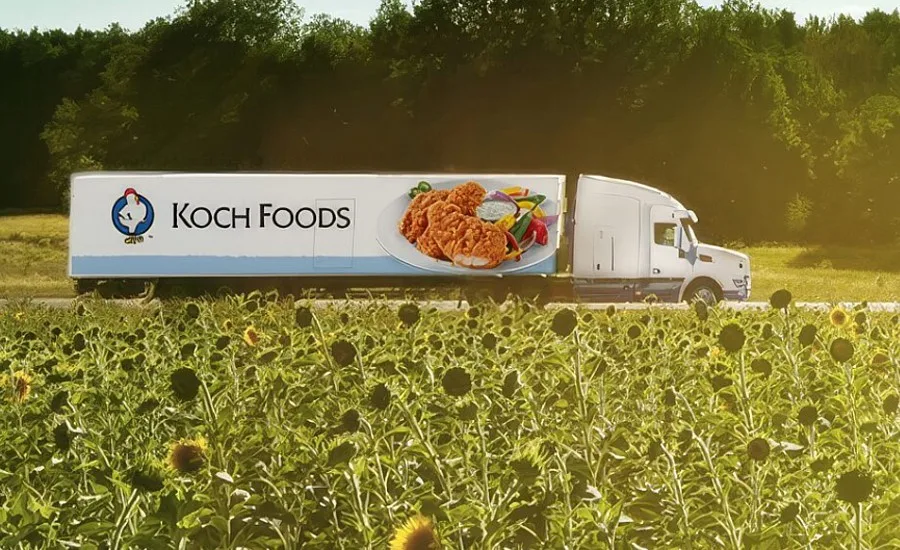
That was the challenge facing Koch Foods, one of the largest vertically integrated poultry processors in the United States. The company manages the entire poultry production lifecycle — from farm to customer — supporting foodservice, retail and export markets across a large distributed environment.
As the company evaluated its endpoint strategy, it faced a familiar issue for many manufacturers: how to modernize IT infrastructure without increasing operational complexity or sacrificing reliability.
When Legacy Endpoint Strategies Become Unsustainable
Like many organizations with distributed manufacturing environments, Koch Foods relied heavily on thin client endpoints connected to a Citrix environment. Over time, however, the existing approach became increasingly difficult and expensive to maintain.
A major turning point came when the company’s existing thin client vendor shifted from a perpetual licensing model to subscription pricing. According to Brian Mooney, Citrix administrator at Koch Foods, costs continued to rise while hardware requirements also increased.
At the same time, many existing endpoint devices lacked the resources required to support newer operating system requirements. Koch Foods estimated that as much as 80%-90% of its installed hardware base would eventually need replacement.
For food manufacturers, endpoint refresh cycles can quickly become expensive when multiplied across plants, offices and production facilities. Beyond hardware costs, IT teams must also manage firmware updates, troubleshooting, user provisioning and ongoing support — all while maintaining production uptime.
Koch Foods also wanted to retain tight operational control over its infrastructure. In manufacturing environments where downtime can halt production or disrupt shipping operations, dependence on cloud-only management approaches may introduce additional concerns.
“If there’s any outage, we could be dead in the water,” Mooney says. “We need the control offered by an on-premises solution.”
Standardizing Endpoint Management Across Operations
To address these challenges, Koch Foods deployed a unified endpoint platform from 10ZiG that combined thin client hardware, endpoint operating systems and centralized management.
The company implemented a mix of thin and zero clients across general users and task-specific environments, including production-related stations such as labeling systems. At the same time, Koch Foods used 10ZiG RepurpOS to repurpose portions of its existing endpoint hardware estate rather than replacing all devices outright.
Repurposing existing hardware can be particularly attractive in manufacturing environments where large endpoint deployments may otherwise create significant capital expenses. By converting existing devices into secure thin client endpoints, organizations can extend hardware lifecycles while standardizing management and user experiences.
Koch Foods also centralized endpoint administration using a single management platform. This allowed the IT team to deploy templates, manage configurations and provision devices more consistently across facilities.
The company additionally worked with 10ZiG to customize firmware and configurations to better align with existing operational workflows.
Supporting Lean IT Teams in Manufacturing
Manufacturers often operate with lean IT teams responsible for supporting geographically distributed operations. Reducing endpoint management complexity can therefore have a direct impact on operational efficiency.
Following the deployment, Koch Foods reported that day-to-day administration became easier. Centralized management reduced the need for constant firmware maintenance and manual troubleshooting, while eliminating ongoing subscription licensing helped reduce recurring costs.
The company also modernized its Citrix delivery model by transitioning from legacy virtual applications to a shared desktop environment that provided users with a more familiar Windows-like experience. Users experienced faster responsiveness and quicker application launches, while IT teams gained more time to focus on strategic initiatives instead of endpoint maintenance.
For manufacturers, these types of improvements can extend beyond employee productivity. Faster, more reliable access to applications can help support operational continuity across production, warehousing, logistics and administrative functions.
Extending Hardware Lifecycles While Maintaining Control
The experience at Koch Foods highlights a broader trend across manufacturing: organizations are increasingly looking for ways to modernize endpoint environments without forcing massive infrastructure overhauls.
Rather than replacing all existing hardware, many manufacturers are evaluating strategies that combine hardware repurposing, centralized management and purpose-built endpoint operating systems. These approaches can help reduce costs while improving security, manageability and operational consistency.
For Koch Foods, the transition ultimately allowed the company to modernize its endpoint strategy while preserving the operational control required for a highly distributed production environment.
As food manufacturers continue balancing cost pressures, workforce challenges and operational demands, endpoint modernization is becoming an increasingly important part of maintaining resilient plant operations and supporting long-term digital transformation initiatives.
Looking for a reprint of this article?
From high-res PDFs to custom plaques, order your copy today!