Food Engineering logo
search
cart
facebook twitter linkedin youtube
  • Sign In
  • Create Account
  • Sign Out
  • My Account
Food Engineering logo
  • NEWS
    • Latest Headlines
    • Manufacturing News
    • People & Industry News
    • Plant Openings
    • Recalls
    • Regulatory Watch
    • Supplier News
  • PRODUCTS
    • New Plant Products
    • New Retail Products
  • TOPICS
    • Alternative Protein
    • Automation
    • Cannabis
    • Cleaning | Sanitation
    • Cross-Functional Food Innovation
    • Fabulous Food Plants
    • Food Safety
    • Maintenance Strategies
    • OEE
    • Packaging
    • Sustainability
    • More
  • EXCLUSIVES
    • Plant Construction Survey
    • Plant of the Year
    • Sustainable Plant of the Year
    • State of Food Manufacturing
    • Top 100 Food & Beverage Companies
  • MEDIA
    • Podcasts
    • Videos
    • Webinars
    • White Papers
  • FOOD MASTER
  • EVENTS
    • Food Automation & Manufacturing Symposium and Expo
    • Industry Events
  • RESOURCES
    • Newsletter
    • Custom Content & Marketing Services
    • FE Store
    • Government Links
    • Industry Associations
    • Market Research
    • Sponsor Insights
    • Classified Ads
  • EMAGAZINE
    • eMagazine
    • Archive Issue
    • Advertise
  • SIGN UP!

Managing Software: Is the food industry ready for Product Life Cycle Management?

March 25, 2003
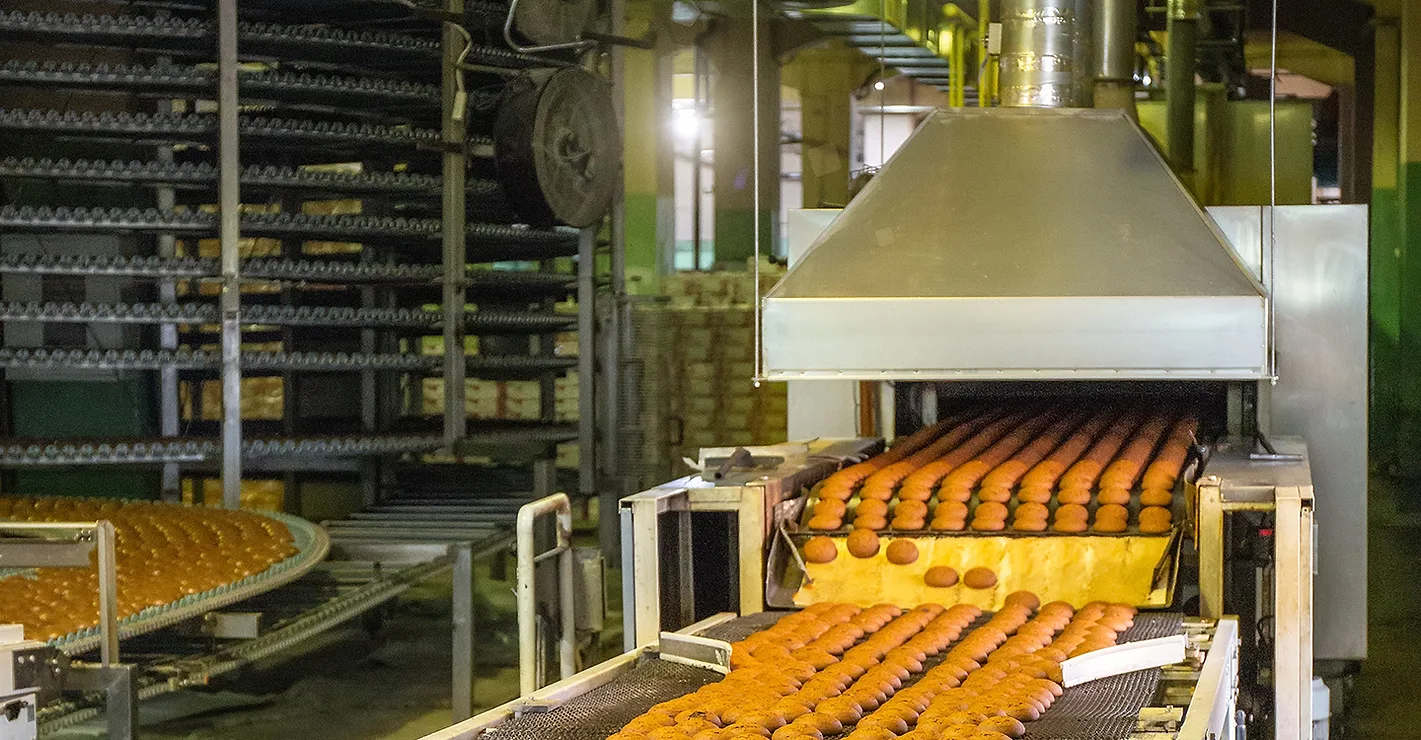
Software enables communications among departments like sales, R&D and production.

Software enables communications among departments like sales, R&D and production.


If there's one sure thing in the software industry, it is that the phrases used to identify product segments are just as confusing as the names of the products. The phrase Product Life Cycle Management (PLM) doesn't provide much of an insight into what this software actually does.

Of course, there is precedent for the obfuscation. Who would guess that Enterprise Resource Planning (ERP) would have much to do with counting the cash or taking orders? PLM helps manage the life cycle of a product from idea to formulation, to testing, to production, to changes, to retirement. The focus of many of these products is R&D and the direct interaction with sourcing and production.

This emerging class of software may have important implications for the food industry. PLM software emerged in the late 1990s in response to an increasing need to more carefully manage the process that involves the design, build, and delivery of products.

One of the trends in the food industry is the increasing reliance that branded manufacturers have on suppliers to provide not only ingredient components of a product but increasingly, the entire product. ERP systems were designed to manage operations within the "four walls" of an enterprise. When product development and production are moved outside of the "four walls," most companies find that to keep proper controls in place, their ERP functionality has to be supplanted by other systems. Often these systems are paper based.

One of the factors that has made PLM attractive to the high-tech industry, where there are relatively short product life cycles for technology products, is its ability to increase the communication speed among R&D, sourcing and production. In high-tech, often the time to market exceeds the time the product will be viable in the market with near constant changes in design. The food industry, on the other hand, can have long product life cycles but may have to continually change the product formulation depending on changes in production technology or the price, source, packaging needs or quality of ingredients. Steve Phelan, founder of Formation Systems observes, "Food companies now recognize the benefits of PLM, which are helping them bring new products to market faster, improve quality and lower cost by centralizing control over formulae and specification."

PLM software works by automating the functions and workflow involving product development. The software provides a central, often web-based, repository of information to assist in the communications between internal departments like sales, marketing, R&D and production and also gives external suppliers access to the information they need. Through PLM, all those involved in the product development, procurement and production processes can collaborate.

One of the important features of most PLM systems is the product specification repository. Many food companies struggle to maintain and manage specifications for a number of purposes including: product specifications for sales and marketing; R&D development specifications; production processing parameter specifications; customer specifications for private label products; ingredient specifications and standardization; and label statements.

Food companies including Arla Foods, Rich Products and Kerry Foods have started PLM implementations. Vendors include, ASD, Adaptive Resources, Formation Systems, Honeywell, OSISoft, QSA, SAP, Siemens, and Sopheon.

Share This Story

Looking for a reprint of this article?
From high-res PDFs to custom plaques, order your copy today!
Recommended Content

JOIN TODAY
to unlock your recommendations.

Already have an account? Sign In

  • FE Top100 Food & Beverage Companies hero, gold lettering with black background.

    FOOD ENGINEERING’s 2026 Top 100 Food and Beverage Companies

    See where the world’s leading food and beverage companies...
    Manufacturing News
    By: Alyse Thompson-Richards
  • CJ Schwan’s Salina facility.

    Recipe for Growth: How CJ Schwan’s Powers Pizza Production with People and Automation

    Blending advanced automation with purposeful design, this...
    Plant of the Year
    By: Alyse Thompson-Richards
  • Paris Baguette rendering

    FOOD ENGINEERING’s 49th Annual Plant Construction Survey

    Food and beverage manufacturers continue to invest in...
    Plant Openings
    By: Alyse Thompson-Richards
Manage My Account
  • eMagazine
  • Newsletter
  • Online Registration
  • Manage My Preferences
  • Customer Service

More Videos

Sponsored Content

Sponsored Content is a special paid section where industry companies provide high quality, objective, non-commercial content around topics of interest to the Food Engineering audience. All Sponsored Content is supplied by the advertising company and any opinions expressed in this article are those of the author and not necessarily reflect the views of Food Engineering or its parent company, BNP Media. Interested in participating in our Sponsored Content section? Contact your local rep!

close
  • Close-up of a group of freshly baked stuffed empanadas being transferred onto a conveyor belt.
    Sponsored byDorner

    Smarter Line Design Improves Food Manufacturing Efficiency and Throughput

  • An old and tattered manual titled 'Revised 5/20/1971' on a desk along with a cellphone, sunglasses, Apple iWatch, laptop and keyboard, and a water bottle.
    Sponsored byEnSight Solutions

    Redefining Quality: Has the Industry Lost Sight of What Actually Matters?

  • Worker in protective food-processing attire uses a tablet beside stainless-steel conveyor equipment in a modern food manufacturing facility.
    Sponsored bySafetyChain

    Your Biggest Losses Are Hiding in Data You Already Have

Popular Stories

FE Top100 Food & Beverage Companies hero, gold lettering with black background.

FOOD ENGINEERING’s 2026 Top 100 Food and Beverage Companies

FE August 2021 Plant of the Year: Keurig Dr Pepper Facility. Photos courtesy of Keurig Dr Pepper

Chobani to Invest $1.2B in Pennsylvania Manufacturing Campus

AB Baldwinsville Investment

Anheuser-Busch Invests $13M in New York Brewery

Graphic with text on the left: ‘Food Engineering 2026 Top 100 - Explore leaders.’ Right side: images of juice bottles and chicken on a conveyor. Bottom text 'View Rankings'.


Promo for the 2027 Plant of the Year Award

Events

September 29, 2026

Food Safety Execution and Your Bottom Line

Explore food safety strategies that strengthen sanitation, risk management, operational efficiency, and compliance across foodservice and facility environments.

October 15, 2026

Exploring FOOD ENGINEERING’s 2026 State of Food Manufacturing

The webinar will examine how these trends are impacting every stage of the manufacturing process, from research and development through production, distribution and fulfillment.

View All Submit An Event

Products

Recent Advances in Ready-to-Eat Food Technology

Recent Advances in Ready-to-Eat Food Technology

See More Products

September 23 FE Editorial Webinar


CHECK OUT OUR NEW ESSENTIAL TOPICS

Alternative ProteinAutomationCleaning/SanitationFabulous Food Plants

Food SafetyMaintenance StrategiesOEE

PackagingSustainability

Related Articles

  • From the editor

    Is the Food Industry Making Progress on Food Waste?

    See More
  • engin-akyurt-n3h7BlAyHXc-unsplash_1170x658.jpg

    Risk Management Is Key for the Food and Beverage Industry Amid Inflation

    See More
  • Managing Software: Are you ready for real-time information?

    See More

Related Products

See More Products
  • statical.jpg

    Statistical Process Control for the Food Industry: A Guide for Practitioners and Managers

  • food crime.jpg

    Food Crime: An Introduction to Deviance in the Food Industry

  • small-occ.jpg

    Occupational Health and Safety in the Food and Beverage Industry

See More Products
×

Elevate your expertise in food engineering with unparalleled insights and connections.

Get the latest industry updates tailored your way.

JOIN TODAY!
  • RESOURCES
    • Advertise
    • Contact Us
    • Food Master
    • Store
    • Want More
  • SIGN UP TODAY
    • Create Account
    • eMagazine
    • Newsletter
    • Customer Service
    • Manage Preferences
  • SERVICES
    • Marketing Services
    • Reprints
    • Market Research
    • List Rental
    • Survey/Respondent Access
  • STAY CONNECTED
    • LinkedIn
    • Facebook
    • YouTube
    • X (Twitter)
  • PRIVACY
    • PRIVACY POLICY
    • TERMS & CONDITIONS
    • DO NOT SELL MY PERSONAL INFORMATION
    • PRIVACY REQUEST
    • ACCESSIBILITY

Copyright ©2026. All Rights Reserved BNP Media, Inc. and BNP Media II, LLC.

Design, CMS, Hosting & Web Development :: ePublishing