Food Engineering logo
search
cart
facebook twitter linkedin youtube
  • Sign In
  • Create Account
  • Sign Out
  • My Account
Food Engineering logo
  • NEWS
    • Latest Headlines
    • Manufacturing News
    • People & Industry News
    • Plant Openings
    • Recalls
    • Regulatory Watch
    • Supplier News
  • PRODUCTS
    • New Plant Products
    • New Retail Products
  • TOPICS
    • Alternative Protein
    • Automation
    • Cannabis
    • Cleaning | Sanitation
    • Fabulous Food Plants
    • Food Safety
    • Maintenance Strategies
    • OEE
    • Packaging
    • Sustainability
    • More
  • EXCLUSIVES
    • Plant Construction Survey
    • Plant of the Year
    • Sustainable Plant of the Year
    • State of Food Manufacturing
    • Top 100 Food & Beverage Companies
  • MEDIA
    • Podcasts
    • Videos
    • Webinars
    • White Papers
  • FOOD MASTER
  • EVENTS
    • Food Automation & Manufacturing Symposium and Expo
    • Industry Events
  • RESOURCES
    • Newsletter
    • Custom Content & Marketing Services
    • FE Store
    • Government Links
    • Industry Associations
    • Market Research
    • Classified Ads
  • EMAGAZINE
    • eMagazine
    • Archive Issue
    • Advertise
  • SIGN UP!
Food SafetyLatest headlines

Climate Change Increases Foodborne Illness Risk From Raw Produce
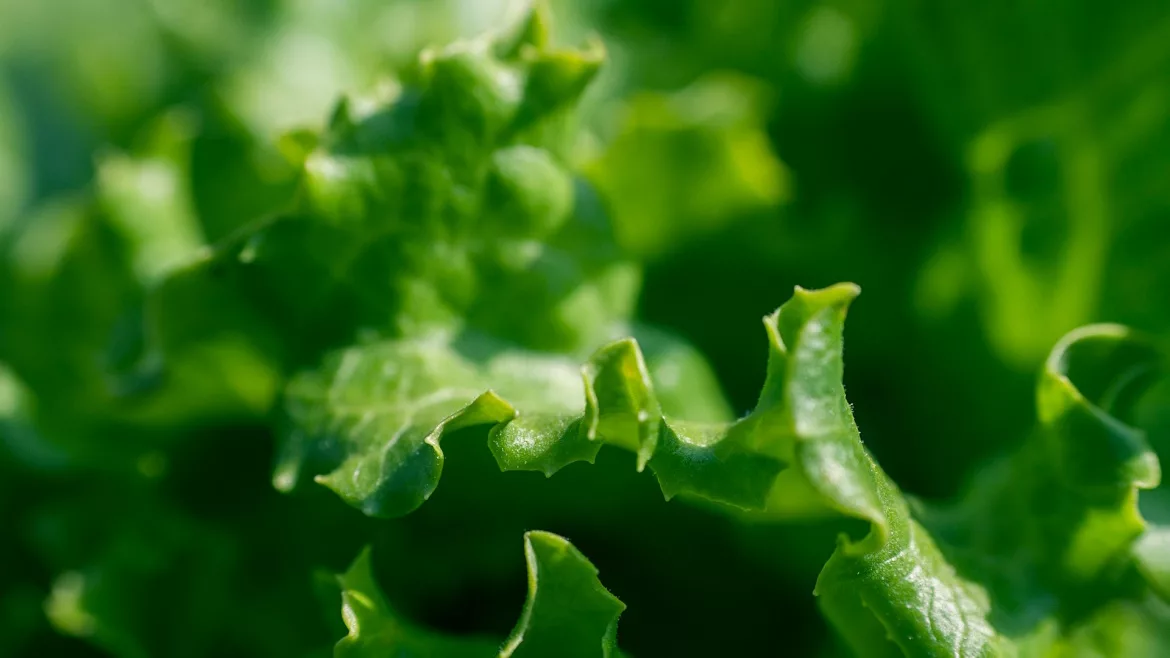
Lettuce
Photo by petra cigale on Unsplash
August 29, 2024

Climate change will increase the risk of the foodborne illness from Salmonella enterica, according to a new study. The research was published today in Applied and Environmental Microbiology, a journal of the American Society for Microbiology.

S. enterica causes disease in 1.2 million people in the U.S. every year. In recent years, the most common route of infection has been the consumption of contaminated fresh produce. Salmonella survives on multiple agricultural crops and persists in the soil for extended periods of time. On plants, researchers have found that salmonella exploits changes to the plant environment imparted by other organisms. Plants infected with bacterial phytopathogens (organisms that cause disease in plants) result in increased persistence for this human enteric pathogen.

“It's not surprising that a host is altered by disease. What's interesting is how these changes affect other members of the bacteria community, in addition to the pathogen causing the disease. Furthermore, the impact of increased humidity on healthy plants also supported salmonella's survival on plants, which would make climate change a food safety issue,” says corresponding study author Jeri Barak, Ph.D., a professor in the department of plant pathology at the University of Wisconsin-Madison. “Controlling plant disease such as bacterial leaf spot of lettuce is also important for food safety. Climate change will increase the risk of foodborne illness from consumption of raw produce.”

Bacterial leaf spot caused by Xanthomonas hortorum pv. Vitians is a common threat to leafy green production. In the new study, the researchers set out to investigate whether the fate of salmonella is impacted by humidity or by timing of arrival during disease progress of bacterial leaf spot.
 
The researchers conducted experiments with lettuce with bacterial leaf spot and salmonella. The experiments varied the days when plants were infected with X. Vitians and when S. enterica arrived in a water droplet on the leaf to mimic arrival via irrigation or splash dispersal from the ground. The researchers also varied high and low humidity periods and how many days they waited after salmonella was introduced to measure the internal salmonella population. These are salmonella cells that have moved from the leaf surface to the leaf interior, where the bacteria is safe from solar UV exposure or post-harvest sanitization treatments.

The researchers found that bacterial leaf spot of lettuce caused by X. vitians can promote salmonella survival and internalization within romaine lettuce. Salmonella's success is dependent on the timing of arrival during infection with bacterial leaf spot. If it arrives too early in bacterial leaf spot infection, the plant defense raised against the plant pathogen limits salmonella growth and survival. Too late, and the host environment has succumbed to the plant disease which also curtails salmonella growth and survival. High humidity exposure and the water-soaking symptom caused by X. vitians also enhance the ability of salmonella to rapidly grow in lettuce, and climate change is predicted to increase humid periods.

KEYWORDS: agriculture climate change foodborne illness salmonella

Share This Story

Looking for a reprint of this article?
From high-res PDFs to custom plaques, order your copy today!
Recommended Content

JOIN TODAY
to unlock your recommendations.

Already have an account? Sign In

  • 2025 Top 100 Food and Beverage Companies

    FOOD ENGINEERING’s 2025 Top 100 Food and Beverage Companies

    While sales were largely down under dynamic economic and...
    Top 100 Food & Beverage Companies
    By: Alyse Thompson-Richards
  • Bottling machine

    How Optical and X-Ray Inspection Supports Bottling Safety and Quality

    By transitioning from legacy single-technology systems to...
    Food Safety
    By: Dan McKee
  • Bread baking in oven

    The State of Food Manufacturing in 2025

    Food and beverage manufacturers are investing in...
    Manufacturing News
    By: Alyse Thompson-Richards
Manage My Account
  • eMagazine
  • Newsletter
  • Online Registration
  • Manage My Preferences
  • Customer Service

More Videos

Popular Stories

The Campbell's Company logo

Campbell’s Terminates Exec Over Alleged Disparaging Comments

Frito-Lay logo

PepsiCo to Close Two Florida Facilities

alternative protein products

Alternative Protein in 2025: Key Trends and Technologies

State of Maufacturing 2025

Events

June 17, 2025

Refrigerated & Frozen Foods’ State of the Cold Chain

On Demand Kelley Rodriguez, Editor in Chief of Refrigerated & Frozen Foods, will be joined in this 60-minute webinar by industry experts to help unpack the latest research.

July 23, 2025

Decarbonizing Process Heat: What You Should Know and Next Steps

On Demand Driven by climate goals, business risk, client interest, and resilience considerations, food and beverage companies are increasingly turning their attention to decarbonizing their production processes.

View All Submit An Event

Products

Recent Advances in Ready-to-Eat Food Technology

Recent Advances in Ready-to-Eat Food Technology

See More Products

CHECK OUT OUR NEW ESSENTIAL TOPICS

Alternative ProteinAutomationCleaning/SanitationFabulous Food Plants

Food SafetyMaintenance StrategiesOEE

PackagingSustainability

Related Articles

  • Foodborne illness "sprouting" from unusual source

    See More
  • USDA report warns climate change to impede food security progress

    See More
  • High lead or heavy metal levels in spices, such as cinnamon, typically come from three potential sources

    Minimizing risk from raw materials

    See More

Related Products

See More Products
  • GlobalData_logo_blue_header.png

    Chilled Raw Packaged Fish & Seafood - Processed (Fish & Seafood) Market...

  • GlobalData_logo_blue_header.png

    Chilled Raw Packaged Meat - Processed (Meat) Market in the United States...

  • Optimizing Social Media from a B2B Perspective

See More Products
×

Elevate your expertise in food engineering with unparalleled insights and connections.

Get the latest industry updates tailored your way.

JOIN TODAY!
  • RESOURCES
    • Advertise
    • Contact Us
    • Food Master
    • Store
    • Want More
  • SIGN UP TODAY
    • Create Account
    • eMagazine
    • Newsletter
    • Customer Service
    • Manage Preferences
  • SERVICES
    • Marketing Services
    • Reprints
    • Market Research
    • List Rental
    • Survey/Respondent Access
  • STAY CONNECTED
    • LinkedIn
    • Facebook
    • YouTube
    • X (Twitter)
  • PRIVACY
    • PRIVACY POLICY
    • TERMS & CONDITIONS
    • DO NOT SELL MY PERSONAL INFORMATION
    • PRIVACY REQUEST
    • ACCESSIBILITY

Copyright ©2025. All Rights Reserved BNP Media.

Design, CMS, Hosting & Web Development :: ePublishing