4 Automation Tips to Unlock Packaging Line Flexibility

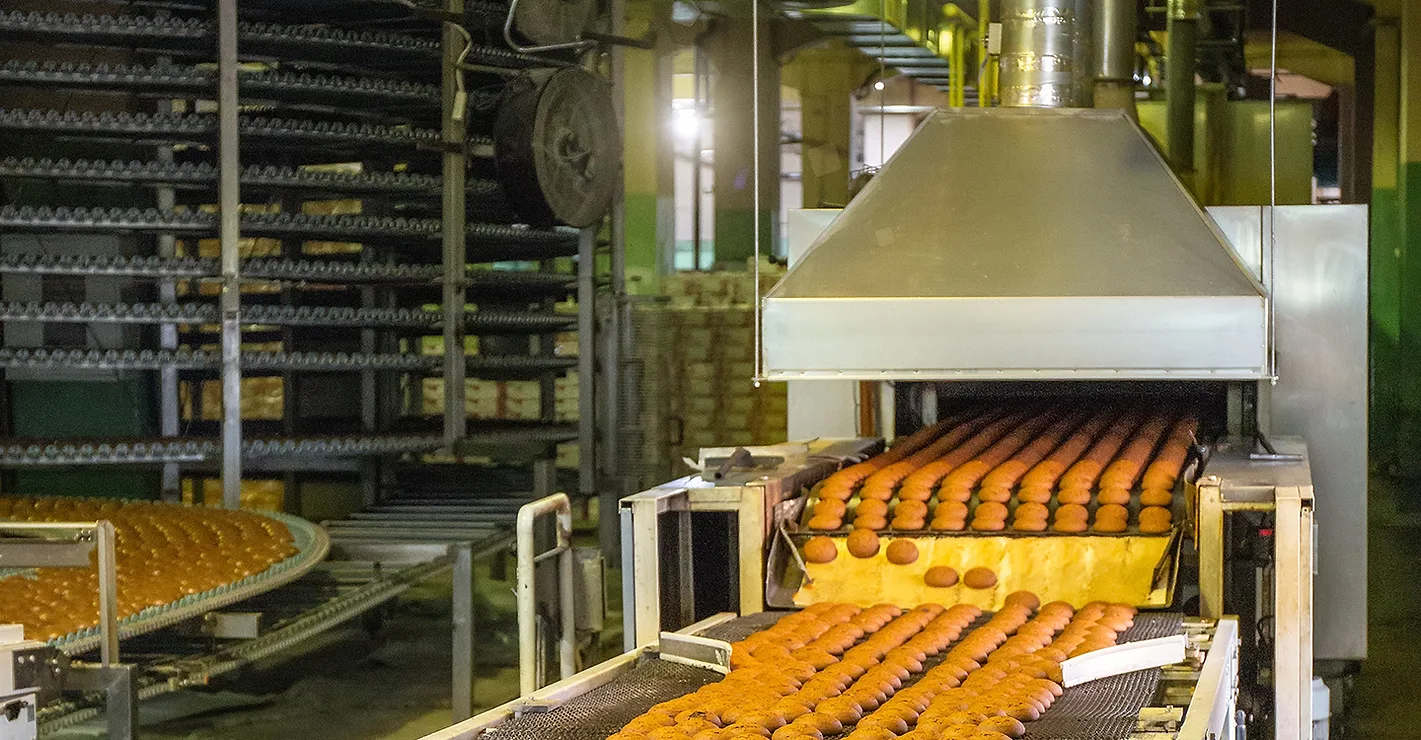
Modular conveyors like the one shown above remain the standard in modern packaging infrastructure. Image courtesy of Bosch Rexroth.

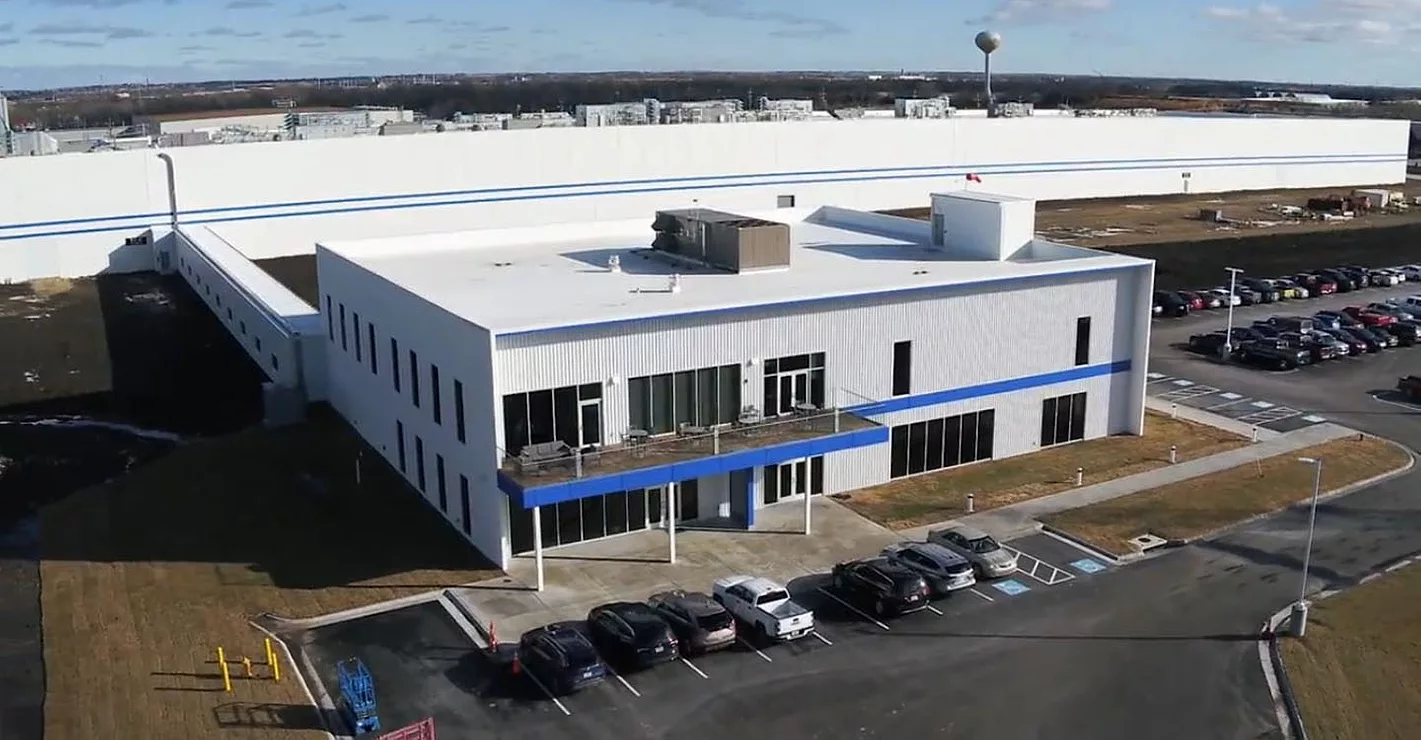
Designing packaging lines has become more streamlined thanks to modern software like the free MTpro. Image courtesy of Bosch Rexroth.
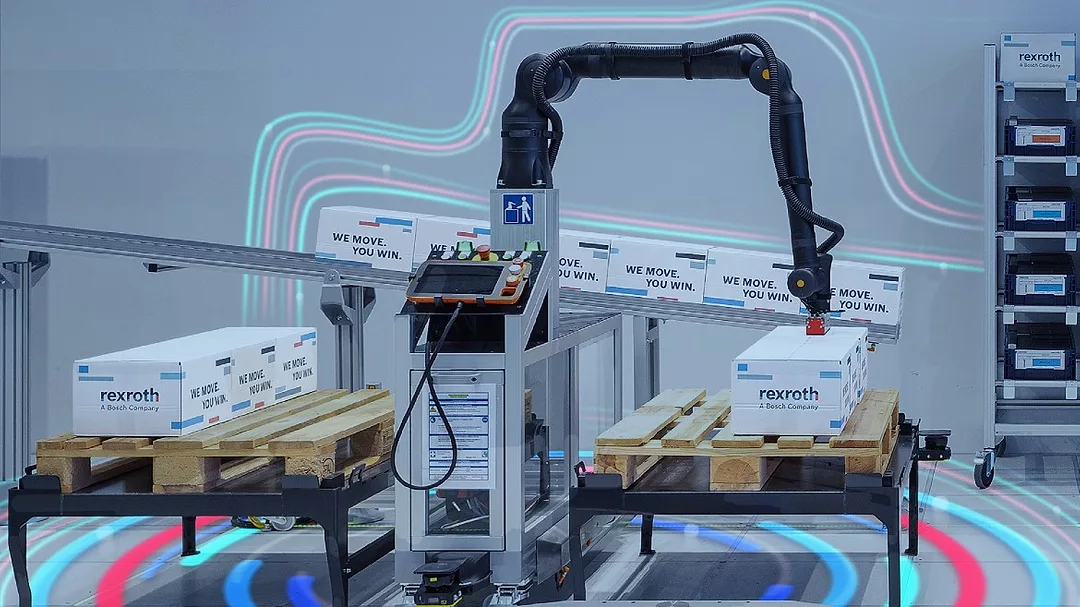
Cobots are helping manufacturers automate processes and are growing in adoption. Image courtesy of Bosch Rexroth.
Consumer packaged goods (CPG) operations need to quickly adapt to constant change in consumer trends, product range and packaging designs. To be competitive in this environment, packaging lines need streamlined automation systems that allow faster changeovers with minimal engineering.
Here are four automation best practices that can help any packaging line maximize their flexibility and productivity.
EXPLORE MORE


1. Simplify Planning with Engineering Software
In packaging line design, the design engineering process is often an overlooked chapter that is central to the project narrative. The design phase is the first touchpoint in determining the project’s success. If executed inefficiently, team members have a rocky journey ahead of them. If it’s executed well, the result is a more streamlined process from start to finish. Leveraging robust engineering software before the line is even physically built sets projects teams up for success.
2. Be Future-Ready with Modular, Material Transport
Transport technology is more connected and more modular than ever before, making it one of the most effective ways to achieve an agile packaging operation. Plastic chain conveyors are still the standard for packaging operations and offer the ultimate in modularity. Extensive modularity not only makes the systems more scalable but also offers a high degree of customization for configuring to fit in tight warehouse footprints.
3. Build a Strong Foundation with Aluminum Framing
At the core of every successful line is a strong foundation. Aluminum framing plays a variety of roles on a successful packaging line, including, but not limited to, the foundation of material transport systems, the bases of cobots and flow racks. Aluminum framing can also be used to help manufacturers stay compliant with a growing number of industry regulations when used for safety equipment, such as protective guarding or as ergonomic workstations.
4. Improve Production Flow with More Versatile Cobots
Cobots are becoming increasingly common in CPG manufacturing, but not all offer the flexibility packaging lines need. Cobots are continuing to evolve, and 7-axis cobots now offer more functionality than a traditional 6-axis system, giving end users more positioning flexibility. These technologies often integrate with conveyance to execute tasks such as palletizing, labeling, quality inspection and more.
Fully automated processes require strategic planning and integration of the proper solutions for every application. Manufacturers that leverage the above concepts will be better positioned to optimize their packaging lines and respond to market shifts as they occur.
Looking for a reprint of this article?
From high-res PDFs to custom plaques, order your copy today!