How Food Manufacturers Can Prepare for the FDA’s Synthetic Dye Phase-Out

The Food and Drug Administration’s (FDA) decision to phase out petroleum-based synthetic food dyes by 2027 represents one of the most sweeping modernizations in the U.S. food manufacturing industry.
This mandate affects every component of the food ecosystem — from ingredient suppliers and co-manufacturers to retailers and quality assurance firms. Compliance will require not only formulation changes but also process redesign, supply chain realignment and organizational adaptation. Forward-thinking manufacturers will approach this challenge as an opportunity to enhance facility efficiency, sustainability and brand transparency.
Assess Current Processes and Infrastructure
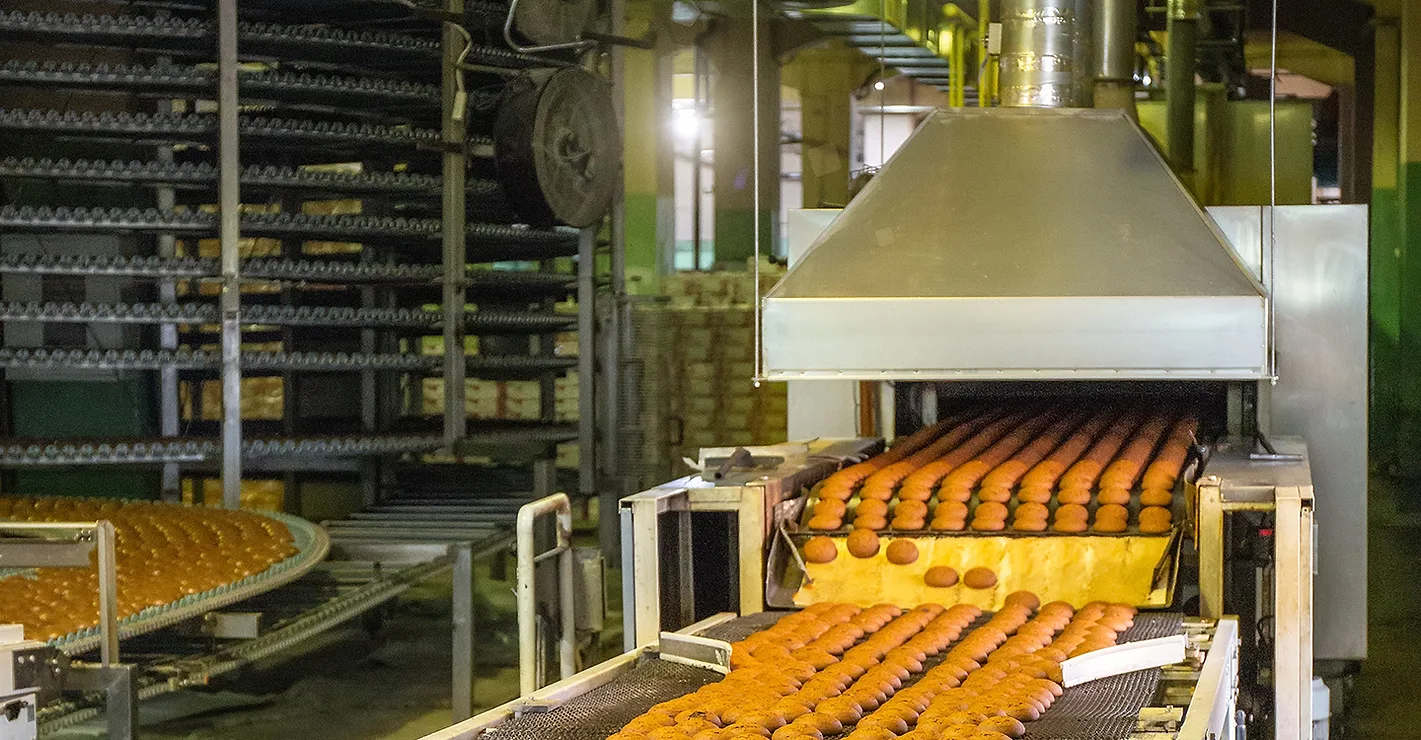
A detailed process and facility audit is the logical starting point. Mapping where synthetic dyes are introduced — from mixing tanks to coating drums and packaging lines — reveals dependencies that could complicate changeover. Many natural pigments have narrower tolerances for temperature, moisture and pH, which impacts mixing speeds and batch cycle times. Early alignment with process engineers and maintenance teams can uncover efficiency upgrades, such as real-time control systems or energy recovery strategies, that not only support compliance but also improve operational performance long term.
Engineer for Natural Dye Compatibility
Integrating natural colorants often means moving past “plug-and-play” substitutions. Retrofitting process equipment to manage the sensitivity of plant-based dyes can involve upgrading temperature control loops, adding closed dosing systems, or transitioning to lower-shear mixing to preserve pigment integrity. Evaluating technologies like cold-press, aseptic or vacuum-assisted blending can further stabilize results and extend shelf life.
Modular or “skid-based” additions allow manufacturers to scale changes gradually, protecting throughput and minimizing downtime. Strategically, these investments can also demonstrate a brand’s commitment to cleaner production and sustainability — two qualities consumers increasingly demand.
Pilot and Validate
Pilot lines remain the proving ground for success. Controlled testing of ingredient interactions, color consistency and shelf-life performance allows design teams to fine-tune parameters before rolling out full production. Cross-functional collaboration with R&D, regulatory and vendor partners will ensure that both technical feasibility and label accuracy are maintained. The data captured during pilot runs can also feed digital twins or modeling tools, helping optimize performance and reduce future commissioning risks.
Strengthening Quality and Regulatory Programs
The shift to natural dyes will directly impact HACCP plans, sanitation protocols and product traceability systems. Ingredients derived from agricultural sources require careful verification for contaminants and batch variability. Incorporating automated inspection, documentation and traceability tools into existing management systems will allow facilities to comply with FDA recordkeeping mandates more efficiently. From a strategic perspective, robust traceability will also support brand differentiation through transparency and measurable quality assurance.
Prepare Teams for Change
Organizational readiness may ultimately determine the success of this transition. Training teams on the handling characteristics of natural colorants, updating standard operating procedures and fostering open communication between operations, engineering and quality functions will reduce disruptions. Embedding sustainability and compliance goals into company culture turns regulatory response into business advantage — strengthening both workforce engagement and stakeholder confidence.
Secure and Diversify Supply Chains
Supply chain planning must evolve in parallel with engineering changes. Because natural dyes are subject to agricultural variability and geopolitical pressures, diversifying suppliers regionally helps mitigate risk. Developing long-term partnerships with vendors who emphasize transparency, certification and local sourcing will foster resilience as the market tightens. Strategic procurement decisions made now can secure pricing stability and priority access as the 2027 deadline approaches.
A Strategic Opportunity
Although the FDA’s phase-out has created short-term uncertainty, it ultimately empowers the food industry to reimagine its production systems through the lens of safety, sustainability and consumer trust. Manufacturers that act early by modernizing operations, redesigning processes, and investing in resilient supply chains will emerge as industry leaders. The move toward naturally sourced colorants is not just a compliance initiative; it’s a catalyst for innovation and a chance to redefine what quality, transparency and brand integrity look like in the next era of food manufacturing.
Looking for a reprint of this article?
From high-res PDFs to custom plaques, order your copy today!