Food Packaging Innovations Balance Safety, Sustainability and Consumer Demands

The food industry stands at a crossroads, where packaging is no longer just a container but a critical tool for ensuring safety, driving efficiency and meeting consumer expectations.
According to the “Food Safety and Sanitation Trends” report from PMMI, The Association for Packaging and Processing Technologies, packaging innovations are increasingly shaped by the convergence of safety regulations, operational challenges and evolving market demands. For food industry professionals, the message is clear: packaging must simultaneously deliver compliance, functionality, sustainability and brand trust.
Sanitation as the Foundation of Packaging Innovation
EXPLORE MORE


Sanitation is inseparable from packaging design. The report emphasizes that food safety and sanitation are bedrock principles, guiding everything from manufacturing processes to machine design. As recalls remain steady, averaging 300-400 annually, sources are shifting. FDA recalls, often linked to allergens, listeria and salmonella, now outpace USDA recalls. Packaging must therefore not only protect food but also reduce opportunities for contamination.
Manufacturers seek sanitary machine designs that minimize harbor points, use food-grade materials and allow easier cleaning. Nearly all end users (95%) say ease of cleaning is very important when evaluating new equipment. This places pressure on original equipment manufacturers (OEMs) to integrate features such as clean-in-place (CIP) systems, corrosion resistance and non-porous surfaces.
Smart Packaging Meets Compliance
The regulatory landscape is evolving. The U.S. Food Safety Modernization Act (FSMA) continues toward full enforcement in 2028, while Canadian producers face the Safe Food for Canadians regulations. At the same time, third-party certifications such as 3-A Sanitary Standards and NSF 14159 are influencing purchasing decisions.
Packaging solutions are increasingly designed with traceability and compliance in mind. End users highlight the value of clear documentation, automated temperature and flow monitoring, and fail-safe alarms. Beyond physical protection, packaging now doubles as a compliance tool — helping companies demonstrate adherence to good manufacturing practices (GMPs) and hazard analysis critical control point (HACCP) standards.
This shift underscores a growing trend toward digital integration. Predictive cleaning schedules, RFID-enabled ingredient tracking, and digitally integrated human-machine interfaces (HMIs) are becoming more common. However, the report notes a significant gap: 37% of end users are not yet utilizing digital integration for sanitation and food safety. For packaging professionals, this represents both a challenge and an opportunity to embed smart technologies into packaging systems.
Responding to Labor Shortages with Automation
One of the most pressing macro trends highlighted is labor shortages and turnover, cited by 61% of end users. This impacts sanitation processes directly, as properly executing standard sanitation operating procedures (SSOPs) requires consistency and skill.
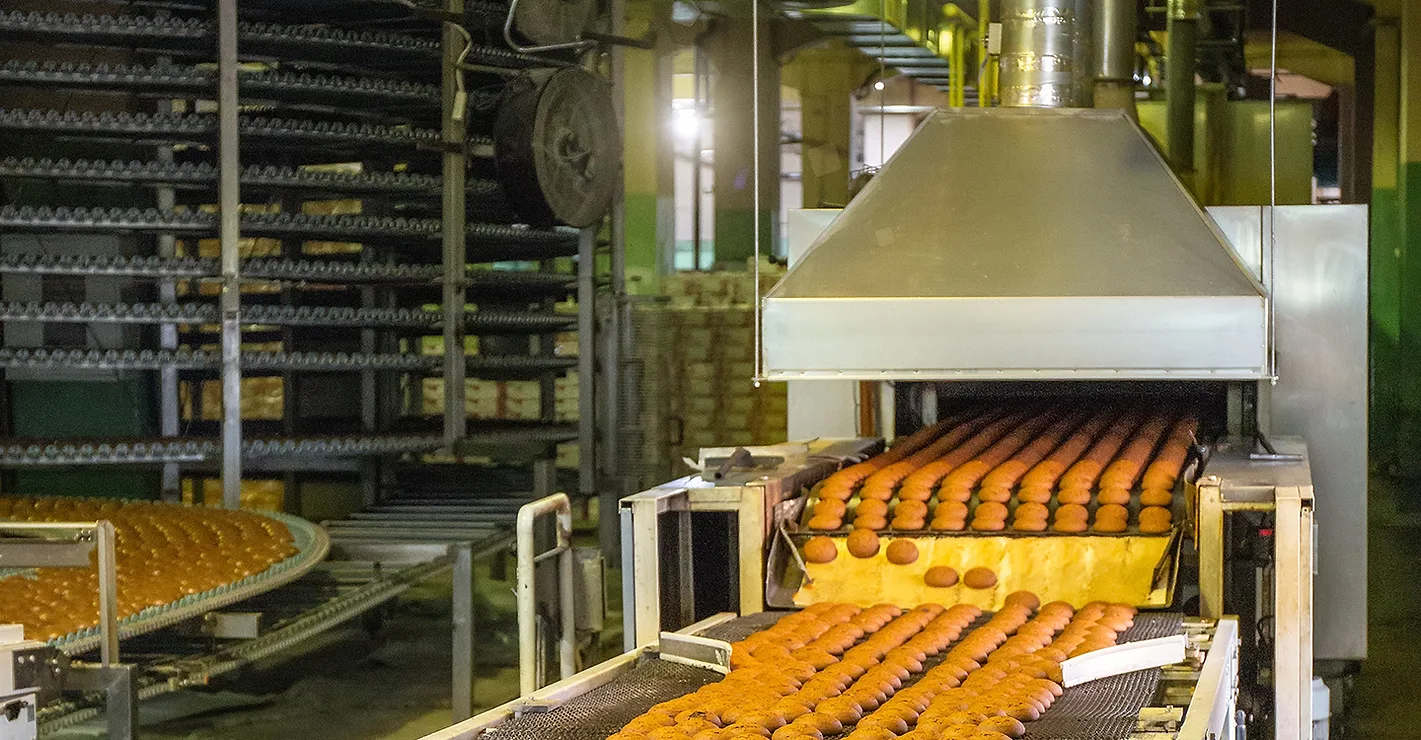
To bridge this gap, packaging innovations are heavily reliant on automation. From automated cleaning systems to robotics on packaging lines, the focus is on reducing reliance on manual labor while maintaining compliance. Self-cleaning machinery and CIP-capable equipment are high on food producers' wish lists. For OEMs, offering equipment with integrated automation is not just a differentiator but a necessity in an increasingly lean labor environment.
Durability Under Chemical Pressure
The rise in harsher cleaning chemicals presents another challenge. Nearly two-thirds (63%) of end users report that sanitation chemicals contribute to equipment wear, while OEMs note damage, particularly to sensors and control panels. This reality is accelerating the push for more durable packaging machinery — stainless steel construction, chemical-resistant seals and modular components designed for quick replacement.
Stakeholders across the supply chain also support a standardized chemical resistance rating system, which would guide end users in evaluating equipment durability and help suppliers design machinery built to withstand sanitation demands. Packaging solutions that anticipate these needs will win credibility in the marketplace.
Meeting Consumer and Brand Demands
Beyond compliance and durability, packaging innovations are also influenced by consumer expectations. Concerns about allergens, contamination and transparency are prompting brands to demand packaging that reassures consumers of safety while aligning with sustainability goals.
This dual demand for safe and sustainable packaging is driving exploration of recyclable, compostable and reusable materials that can withstand rigorous sanitation standards. The ability to balance these priorities will define the next wave of packaging solutions.
The Business Case for Food-Safe Packaging
The financial outlook for packaging machinery is optimistic. Over 93% of end users predict spending the same or more on food-safety and sanitation equipment in the coming year, and 68% anticipate purchasing food-safety compliant machinery within three years. For OEMs and suppliers, this signals robust demand for innovation that balances compliance, automation and durability.
To seize this opportunity, manufacturers must go beyond providing equipment and deliver consultative value. Nearly one-third of end users want support in developing SSOPs, yet 81% of OEMs and suppliers do not offer consulting services. This mismatch highlights an untapped opportunity for packaging providers to deepen partnerships and position themselves as strategic allies in food safety.
Key Takeaways for Food Industry Professionals
The PMMI report makes clear that the future of food packaging will be shaped by collaboration, compliance and connectivity:
- Sanitation-first design: Equipment must be easy to clean, durable and resistant to increasingly harsh chemicals.
- Digital integration: Smart packaging technologies — from RFID to automated cleaning logs — will play a critical role in compliance and efficiency.
- Automation as a solution: Self-cleaning systems and CIP-capable machinery will help offset workforce shortages.
- Consultative partnerships: OEMs and suppliers who provide expertise in regulatory compliance, SSOP development, and digital integration will stand apart.
- Balancing safety and sustainability: Packaging must address consumer demand for eco-friendly solutions without compromising safety standards.
Food packaging is entering a new era where innovation is as much about how equipment supports sanitation, compliance and durability as it is about what materials are used. The intersection of safety, regulation and consumer trust makes packaging a frontline player in food production. For industry professionals, the path forward requires investing in technology-driven, sanitation-ready solutions that protect both consumers and brands.
The challenges are significant, but so are the opportunities. As the PMMI report underscores, collaboration among end users, OEMs, and suppliers will define the next generation of packaging, providing solutions that are cleaner, smarter and more resilient than ever before.
To explore the latest food packaging trends and innovations, journey beyond the ordinary at PACK EXPO Las Vegas (Sept. 29-Oct. 1; Las Vegas Convention Center. This year, join 35,000 industry professionals from 40-plus vertical markets and explore innovations from 2,300 exhibitors across more than 1 million net sq. ft. of exhibit space. Engage with cutting-edge solutions, participate in over 100 educational sessions, and forge valuable connections that will propel your business forward.
Looking for a reprint of this article?
From high-res PDFs to custom plaques, order your copy today!