Vision/Inspection/Detection
How Combination Inspection Systems Can Reduce Waste in Large-Scale Food Production
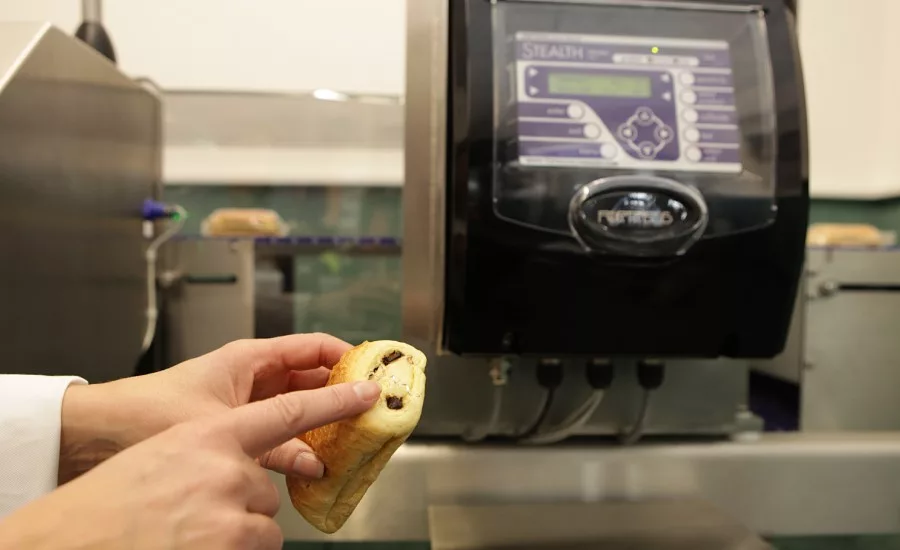
Establishing the biggest contaminant risks helps to ensure a robust HACCP-compliant food safety strategy.
In large-format food production, profitability rests on the alignment of food safety, operational efficiency and waste reduction. Strengthening one often supports the others, protecting profit margins, safeguarding brand reputation and driving long-term value.
For processors of large-format foods such as ingredients, the constant pressure to maximize output, control costs, cut waste and maintain safety and quality standards is an ongoing challenge.
Although large-format food production costs have stabilized in recent years, they haven’t eased. Labor, transport and warehousing expenses remain well above pre-pandemic levels. Cost forecasting continues to be difficult as ingredient prices fluctuate, driven by inclement weather, geopolitical tensions and shifting global demand. Processors face added pressure to maintain healthy profit margins while keeping products affordable, meaning any new business investment must prove its value fast.
Waste compounds this challenge. Non-conforming or contaminated product caught after packaging represents a significant sunk cost. Given the scale and complexity of heavy food processing operations, one of the most effective ways to mitigate these losses is to pinpoint high-risk contamination zones and deploy the correct inspection systems, cutting waste, streamlining operations and maximizing ROI.
Preventing Losses and Protecting Profits
Most processors rely on end-of-line inspection to meet FDA regulations and retailer Codes of Practice. Positioned after packaging, these systems serve as the final safeguard before distribution. If a contaminated product reaches the market, the only corrective action is to issue a product recall. This outcome can drain profits and ruin brand reputation.
Catching contaminant issues earlier is far more cost-effective. Large contaminants missed upstream can damage equipment, trigger downtime and drive costly repairs. Additionally, while isolating contaminants post packaging is possible, it is often wasteful, time-consuming and disruptive to productivity.
Conducting weight checks early in production also helps to control return rates and avoid unnecessary stock losses, especially with high-value ingredients. From milling wheat into flour, producing flavor-coated nuts or processing pet food, early inspection and checkweighing protects profits, ingredients, packaging and labor costs.
The most effective strategy is dual- or multi-stage inspection — catching contaminants early, when they’re in their largest, most detectable form, then adding a final safeguard at the end of the line.
The Final Safeguard
The top priority for every food processor is product safety. End-of-line inspection after packaging remains the most important QC checkpoint, ensuring large-format foods are contaminant free and meet labeled weight requirements.
In heavy and large-format food processing, three main contamination risks dominate, with metal the most common:
- Foreign matter present in incoming raw ingredients
- Wear and tear from processing machinery
- Unsafe food handling practices.
Checkweighing every case, box or pack is regarded as best practice. Automated systems deliver real-time accuracy and live trend feedback to packing equipment, signaling when to adjust fill levels and quantities.”
Save Food Waste and Floor Space
Across the industry, processors are under pressure to produce more with less. With industrial real estate prices up, factory floorspace has become a premium resource. Rising costs are being driven by e-commerce growth, inflation, reshoring and trade tariffs, forcing processors to rethink how to conserve space and cut operating costs without sacrificing performance.
This challenge has driven demand for compact combination inspection systems that deliver both metal detection and checkweighing in a single, efficient unit. Consolidating equipment helps processors to address the invisible losses by addressing food waste, streamlining maintenance and reducing giveaway, while maintaining detection sensitivity and quality control.
Looking for a reprint of this article?
From high-res PDFs to custom plaques, order your copy today!