Sous Vide Offers Brand Flexibility While Enhancing Taste
Sous vide cooking offers precise time and temperature control, and now companies are scaling this technology to help brands and institutions deliver on limited-time offerings. Taste wins with sous vide, and companies are employing new pasteurization techniques to retain flavor and expand into food segments, such as pet food, protein and overall clean label eating.
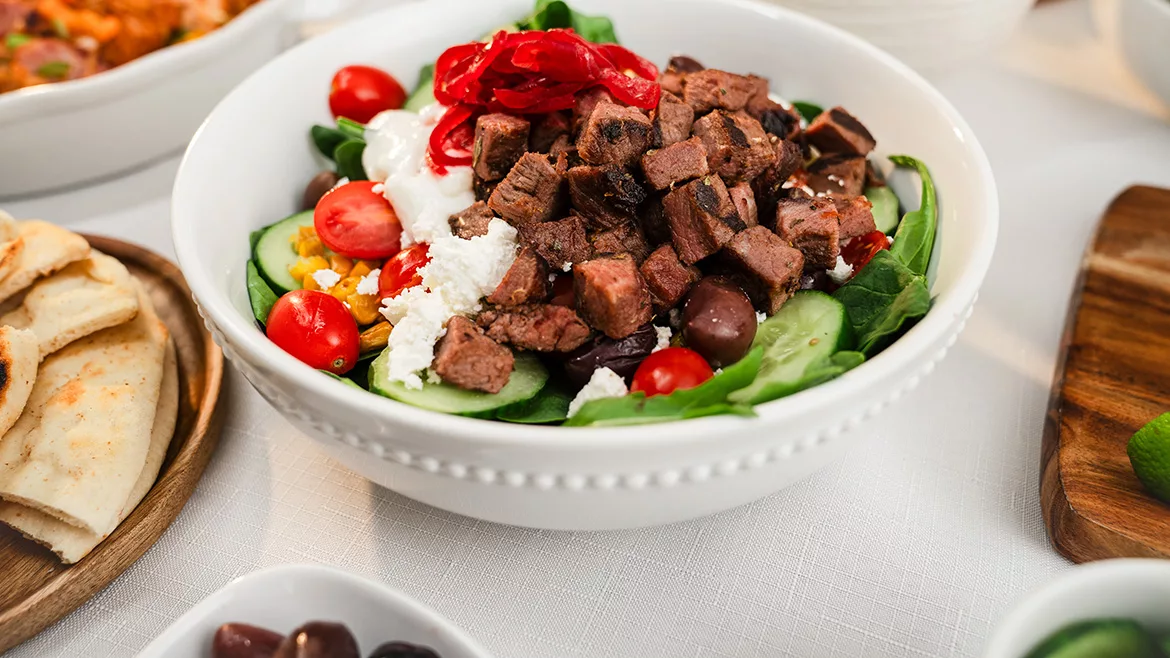
Stampede Culinary Partners develops custom protein solutions using sous vide cooking.
Food industry professionals aim to find innovative taste profiles. Sous vide products are delivering on this promise across many segments of the food industry, including prepared foods, small and large brands, retail outlets and more.
“Restaurants have been doing it for ages, but we’ve been doing it for maybe the past two years. I think it’s the next thing everybody will be doing,” says a prepared food leader in The State of Sous Vide report, released in 2024.
According to the report, sous vide is a $15 billion market, and survey participants believe the segment will keep growing due to ongoing staffing shortages, production innovation, ultra-processed foods (UPF) and clean label trends. Sous vide means “under vacuum,” and this allows for precise cooking temperatures and times. Repeatability and consistency while delivering exceptional taste profiles and avoiding high-heat pasteurization (HPP) processing allow food to retain more nutrients.
This alignment is beneficial for brands, food manufacturers, retail and prepared foods players in their drive to support clean labeling and nutrition claims to customers. In addition, food companies such as Stampede Culinary Partners are scaling production and working with a range of customers to become a leader in the segment.
The Search for Product Innovation
Many brands hope to shift away from UPF market perceptions and move toward clean label. “We see that when it comes to clean labels, nothing is off limits,” says Stephanie Mattucci, director of food science at MINTEL, in May 2025. “In addition to ingredients, clean label concerns have expanded to processing, packaging, ethical and environmental concerns. Those eco- and ethical-related claims have shown growth over the past decade.”
While UPF products are designed to be irresistible, consumers continue to prioritize clean eating and wellness. Consumers understand the importance of fewer ingredients and exceptional taste.
Stampede Culinary Partners has moved aggressively into the sous vide segment to meet customers’ demand for exceptional taste. Based in Bridgeview, Illinois, the food producer delivers custom protein solutions and operates numerous processing plants across North America.
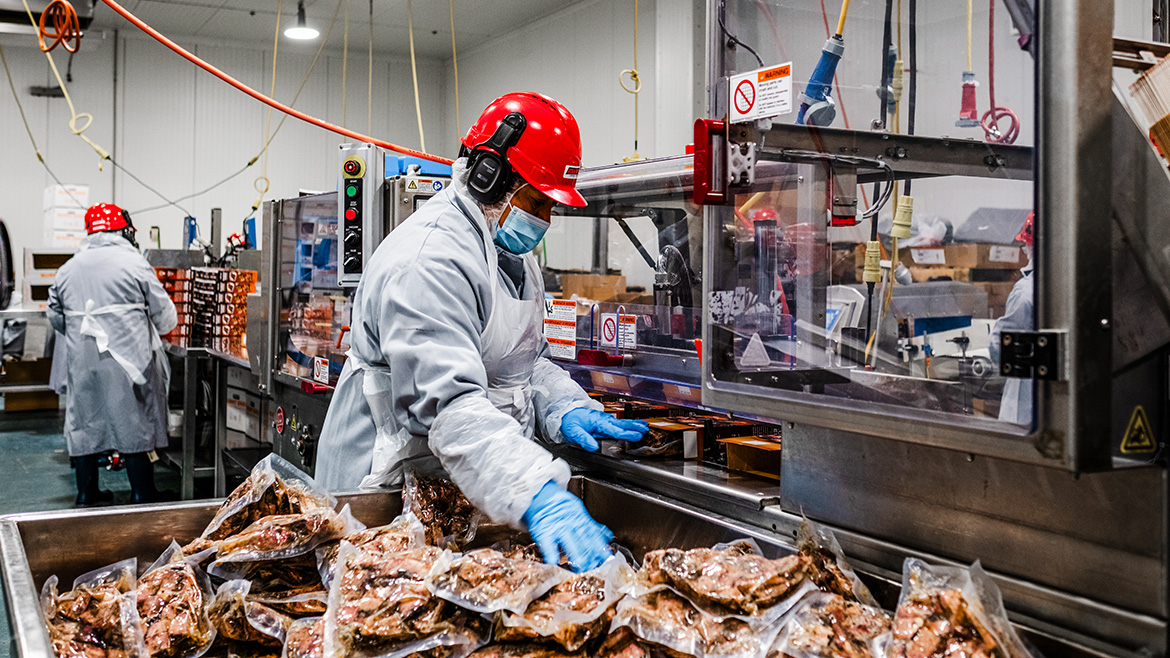
In 2025, Stampede Culinary Partners unveiled a low-temperature processing (LTP) pasteurization process that delivers improved taste while retaining more nutrients across a range of products.
“Customers continuously asked about high-pressure pasteurization, and now we have developed a low-temperature processing (LTP) technology,” said Brock Furlong, CEO and President of Stampede Culinary Partners at the 2025 FA&M Conference. “The process includes opening up (the cooked product) in the clean room and then applying another kill step so the product can go to market and meet all safety requirements.”
Taste is crucial, but so is food safety. Stampede’s research evaluated HPP and its limited efficacy against psychrophiles (cold-loving microbes), potential impacts on color and texture, and risks to packaging integrity.
Stampede’s LTP technology draws on the U.S. Department of Agriculture’s Food Safety and Inspection Service (FSIS) 5-log reduction in pathogens. A key element of LTP is humidity-controlled precision, allowing the product to be exposed to 100% humidity in an enclosed cabinet and gradually heated to 132°F for a minimum of 80 minutes, meeting the FSIS Appendix A cooking guidelines for pathogen reduction.
According to Stampede, 30 products have been validated through the LTP process, and all of these validations have exceeded shelf-life benchmarks for HPP products.
One example of Stampede’s LTP in action was Chipotle’s limited-time smoked-sliced brisket offering. “Chipotle wanted HPP, but we said we’re concerned with HPP and here’s why. We went with LTP,” Furlong said.
The rollout of the limited-time offering touched on shelf life, product innovation, taste and food safety. “We both (simultaneous testing) hit 208 days of zero microbial growth,” Furlong says. “We ran out a product, so we’re not quite sure where it would have gone, and the flavor held throughout that 208 days.”
Impediments to Growth
Foodservice, retail outlets and brands have limited knowledge about sous vide processing and its ability to scale production. Stampede Culinary Partners looked for industry research on sous vide but found none, so they decided to survey their customers in 2023. The responses show that customers lacked knowledge of sous vide processing opportunities, with 65% of customers having no familiarity with the process.
Other impediments included perceived costs, taste, applications and the ability to scale. “One of the big limitations was that nobody could scale in a professional way. It was small players and regional in nature,” Furlong says.
Stampede pulled the trigger on growing operations in the U.S. by opening plants in New Mexico and across North America. The company seized on customer research showing that customers invested in sous vide offerings and planned to increase volumes. The increase in volume is due to many factors, but Stampede points to labor shortcomings in prepared foods, retail and institutional workplaces.
However, brands are seeking innovative ways to enter protein markets.
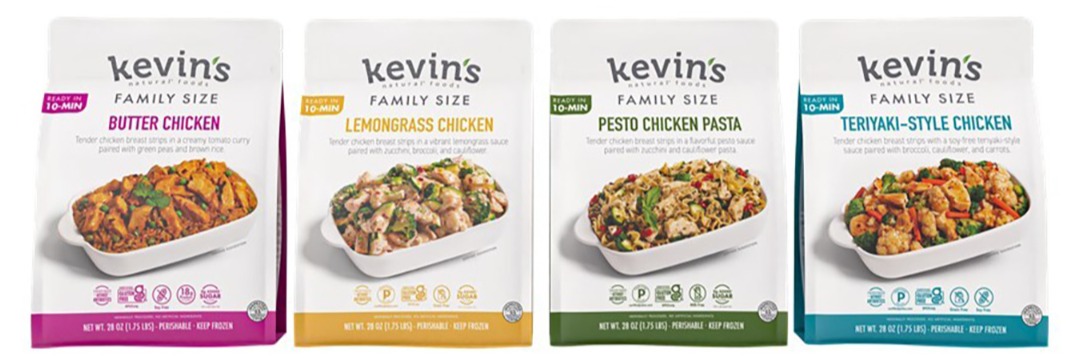
In September, Kevin’s Natural Foods released a limited-time offering of sous-vide processed Buffalo Style Chicken in refrigerated and frozen formats, while Starbucks has enjoyed sales success with its sous-vide egg whites. Cuisine Solutions added a direct-to-consumer line of “premium sous vide” proteins called Sear and Serve. Home cooks simply finish with a quick sear on the stove or grill to enjoy a steakhouse-quality experience, according to the company.
In addition, pet food brands are capitalizing on health and wellness. FOOD ENGINEERING spoke with Mintel's Lynn Dornblaser in 2024 about pet food trends and the need for greater nutrition. “That's why we see so much about the need for elevated nutritional values for pets: bone, joint, skin, nails and digestion. These values are important to consumers because they want their pets to live forever and have the very best possible life.”
Sous vide’s precise cooking temperature and time help retain elevated nutritional value in pet food. “We can control cooking so it’s low and slow, and the vitamins, minerals and micronutrients get through to the finished form,” Furlong said at the conference. “The gently cooked, pet food segment is growing like crazy here in the U.S., less so internationally.”
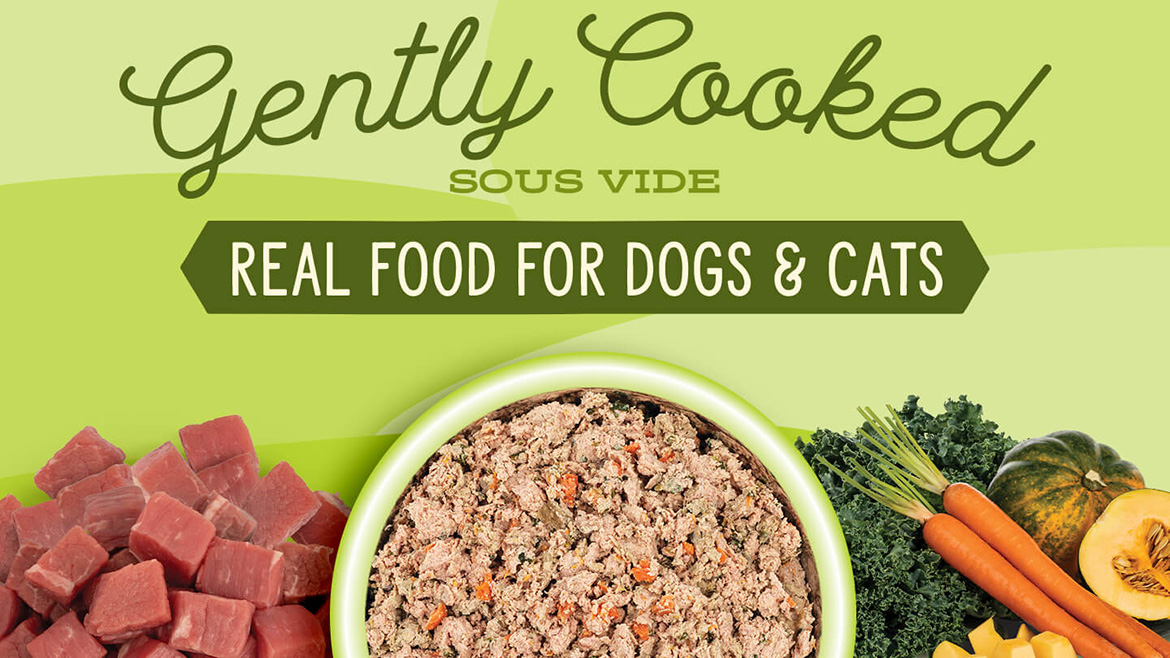
Open Farm has a line of pet food called "Gently Cooked” using sous vide processing, while Primal Pet Foods and A Pup Above are using the technology, too. A Pup Above’s emphasizes nutrients with its turkey brand of pet food for dogs, mentioning “gently cooked sous-vide locks in nutrients, boosts flavor and eliminates harmful pathogens.”
Furlong also sees turkey, chicken, pork, eggs, seafood, vegetables and plant-based proteins as emerging categories for growth with sous vide.
However, Furlong cautions food service and retail operators. “If you want to drive traffic to your retail location, you must have a beef strategy,” Furlong said. “Chicken doesn't drive traffic. Turkey doesn't drive traffic, and pork doesn't drive traffic. They just don't, nor do vegetables.”
Looking for a reprint of this article?
From high-res PDFs to custom plaques, order your copy today!