Sustainability
Mitigating Brand Risk with Assured Product Destruction
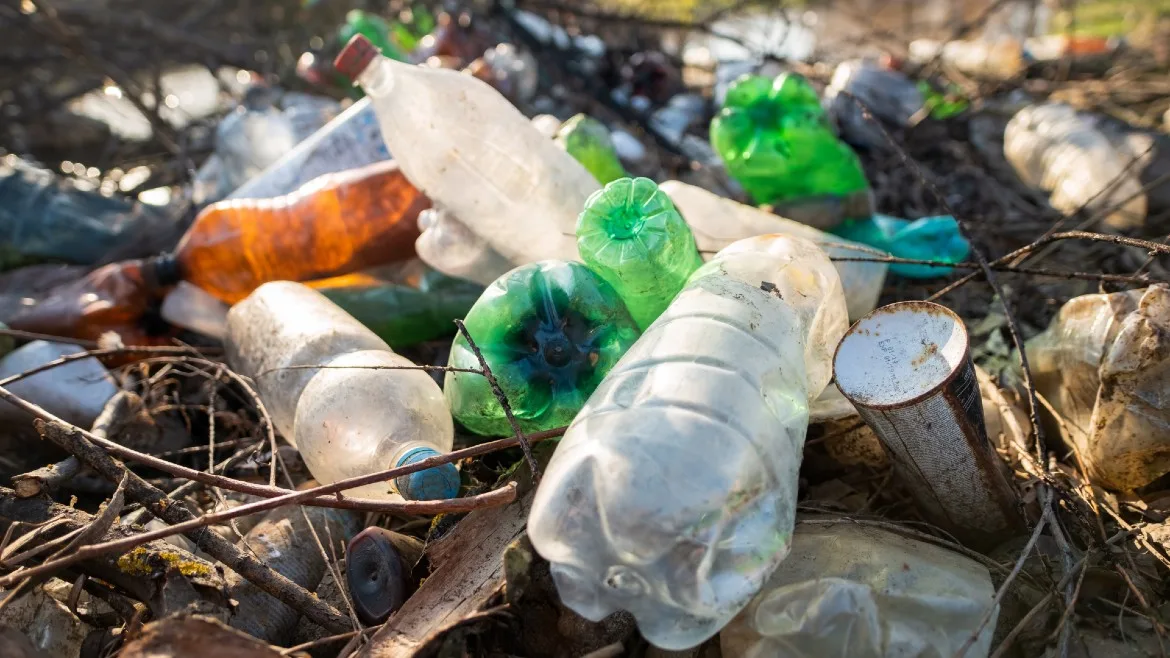
Food waste continues to pile high at an alarming rate, with the 2026 ReFed Report estimating 24% of all landfilled material is food. What food and beverage manufacturers may not realize is the risk of branded unsellable, recalled or unsold food and beverage products sitting on top of the pile.
While many food and beverage manufacturers are adopting zero waste-to-landfill strategies, products can still end up in landfills or as litter due to unauthorized sales, mishandling or diversion along the chain of custody. This is more than an operational concern — it’s a matter of brand protection.
All it takes is a single photo or post on social media to sway public perception, and ultimately, damage brand integrity. Maintaining control over products beyond the shelf is critical to keeping consumer trust.
This remains a priority for companies of all sizes, from small private brands to Fortune 500 corporations. Finding a secure way to manage waste in the food and beverage industry helps ensure that through every change of hands waste is handled discreetly and securely, mitigating brand risk. This is where assured destruction comes into play.
Exploring Assured Destruction
Assured destruction, also referred to as secure disposal, is the process of monitoring, tracking and destroying waste via high-temperature thermomechanical treatment. Waste processed at thermomechanical treatment facilities (TTFs) is converted into renewable energy, reducing reliance on landfills and supplementing traditional energy sources while supporting sustainability goals and ensuring destruction.
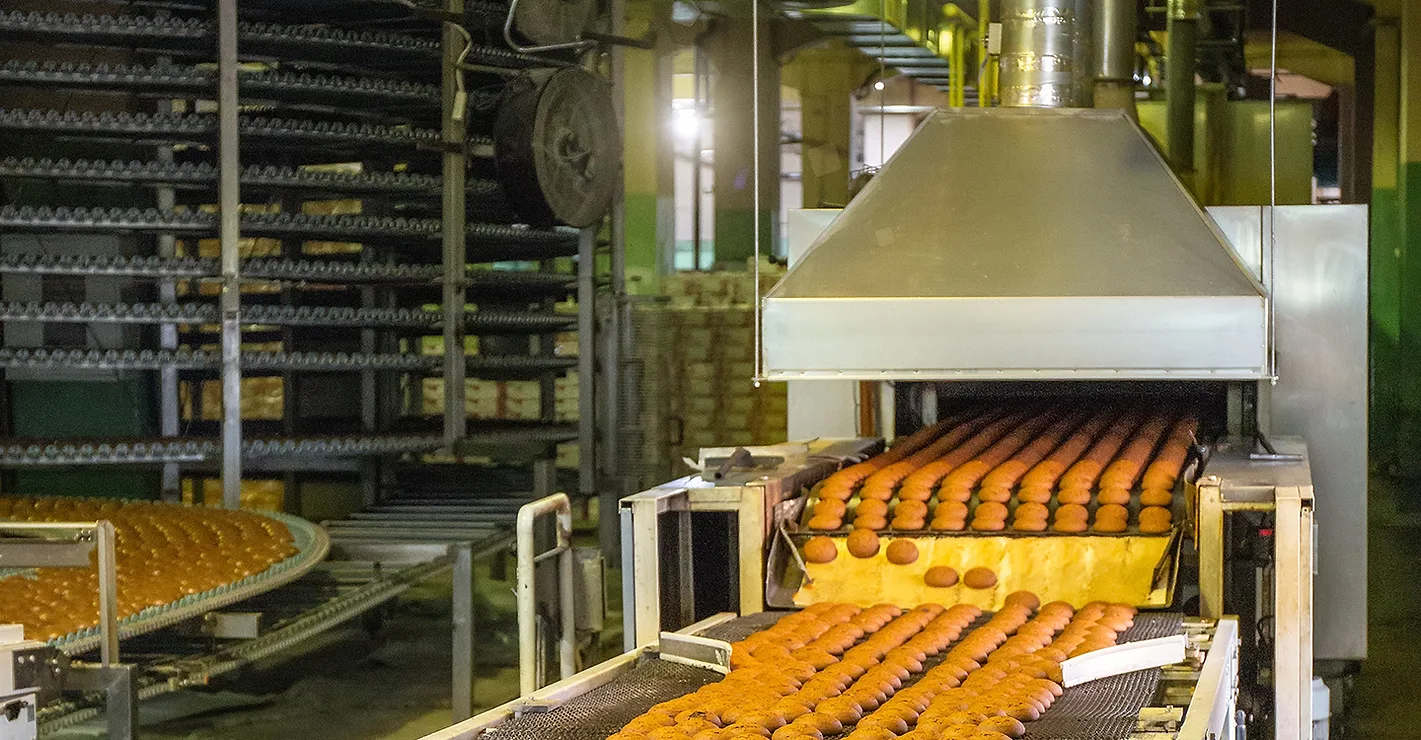
While landfilled waste can leach into water sources and soil and generate methane, a greenhouse gas (GHG) more potent than carbon dioxide, the high-temperature destruction process is carbon-negative, meaning it avoids more GHG emissions than it produces. Manufacturers that opt for an assured destruction pathway benefit from confidence that these products are destroyed in a sustainable way and won’t be recovered and sold by unauthorized sellers.
For food manufacturers that require earned certificates, the assured destruction enables them to prove that destruction of these products was sustainable and confidential. With the right end-to-end waste solutions partner, food and beverage companies dedicated to zero waste-to-landfill initiatives can safely manage byproducts through hauling and transportation while documenting each step of the disposal process with proof points including photos and witnesses.
Maintaining Brand Integrity
The core benefit of assured destruction is brand integrity. While manufacturers value their brand identity and intellectual property pre-market, few consider the post-market or post-production risks that unsold goods carry if not properly addressed after distribution.
If a brand’s unsold or recalled goods are not securely disposed and instead sent to a landfill that allows public access and dumping, there’s risk of unintended exposure of a company’s logo or packaging, should a member of the public take a photo. A photo like this, when shared to social media channels, can prompt a negative response from sustainability-conscious consumers. Even if the circumstances are beyond the manufacturer’s control, consumers may doubt the company’s commitment to sustainability.
There’s also the susceptibility to unauthorized sales. If unsold goods are stolen from vulnerable areas like unsupervised vehicles, they may be sold to unsuspecting consumers, leading to potential illness or safety hazards. This is especially true if third-party haulers are not subject to stringent handling guidelines.
Assured destruction can help eliminate liability and legal issues that manufacturers can face if their products are sold on the black market. Every food and beverage manufacturer has unique guidelines, such as required types of hauling truck, timeline required for disposal, or the level of witnessing and documentation required, so it is imperative to share these with your waste partner to ensure they are capable of handling your unsold goods accordingly.
Finding a Measurable Solution
Certificates are a measurable way to demonstrate compliance, often coming from governing bodies such as the U.S. Department of Agriculture (USDA) and Food and Drug Administration (FDA). This is similar to how pharmaceutical manufacturers must comply with the Drug Enforcement Administration’s “non-retrievable” standard to ensure that controlled substances do not land in the wrong hands or leach into the environment.
There are two certificates that manufacturers may be required to obtain:
- A “Certificate of Disposal” ensures your product is transported to a TTF discreetly and mixed in with other waste, joining the natural queue of collected waste to be treated on the tipping floor. Some manufacturers may look for a higher-assurance option depending on their brand’s status or product nature.
- A “Certificate of Destruction” is a more controlled process for high-risk products, which are treated right away through direct feed and not mixed in with other waste. This makes for a streamlined and ultra-secure process.
While these two certifications are different in terms of destruction timelines and method, they both protect brand integrity.
Minimizing Your Carbon Footprint
A 2024 Carbon Mapper study found that methane emissions from U.S. landfills may be significantly underreported, identifying hundreds of high-emitting methane plumes across disposal sites nationwide. Because landfilled waste, especially food waste, creates methane, composting has become an increasingly popular practice. In fact, 9% of U.S. methane emissions in 2024 were attributable to food surplus, according to the 2026 ReFed Report.
Should products be recirculated in landfills, they may contribute to generators’ carbon footprints if brought to the attention of relevant parties like the USDA or FDA. Maintaining strong control over your waste can ensure your product is not contributing to landfill emissions while also mitigating environmental violations. Beyond the benefits of landfill avoidance, the process of assured destruction often includes recycling services to repurpose usable components, which can advance your company’s sustainability goals.
No Surprises
While the landfill may not have been the intended destination for your product, your brand can still reap the consequences, including eroded consumer trust and unauthorized sales. Unauthorized sales in particular pose serious illness or safety risks to unsuspecting consumers. That’s why risk mitigation is critical beyond the shelf. Assured destruction offers a brand-responsible solution that aligns with manufacturers’ sustainability targets and regulations from governing bodies, providing peace of mind to food and beverage manufacturers.
AI tools were used to organize and summarize source material used in this article. Final reporting and verification were conducted by the editorial team.
Looking for a reprint of this article?
From high-res PDFs to custom plaques, order your copy today!