How Food Processors Power High-Demand Events
When millions of football fans descend upon host cities for mega-events like the World Cup, the spotlight naturally shines on the stadiums, the athletes, and the logistics of public transit. But behind the scenes, an equally massive, and arguably more high-stakes, operation is unfolding. Feeding that volume of international tourists within a razor-thin window requires a monumental scaling of processing and packaging.
For food and beverage manufacturers, these global events represent both a massive commercial opportunity and an operational pressure cooker. Unscheduled downtime, equipment failure or hygiene slip-ups, are things manufacturers want to avoid on any given day, and that is especially true when demand spikes exponentially.
For manufacturers, managing these high-demand periods successfully requires turning operational volatility into predictable, repeatable output. Doing so relies on mastering two critical pillars: throughput optimization and high-speed line agility, demanding that plants actively eliminate component wear and maintenance complexity before lines ever start up.
Throughput Optimization: Solving the Stadium Snack Demand
Scaling up production to meet a global sporting demand is no longer as simple as adding extra shifts or hiring seasonal workers. The ongoing manufacturing labor shortage has permanently altered the landscape. Today, processing facilities must find ways to do more with less, relying on smart automation to protect stringent food safety standards while maximizing output and safeguarding operational equipment effectiveness (OEE).
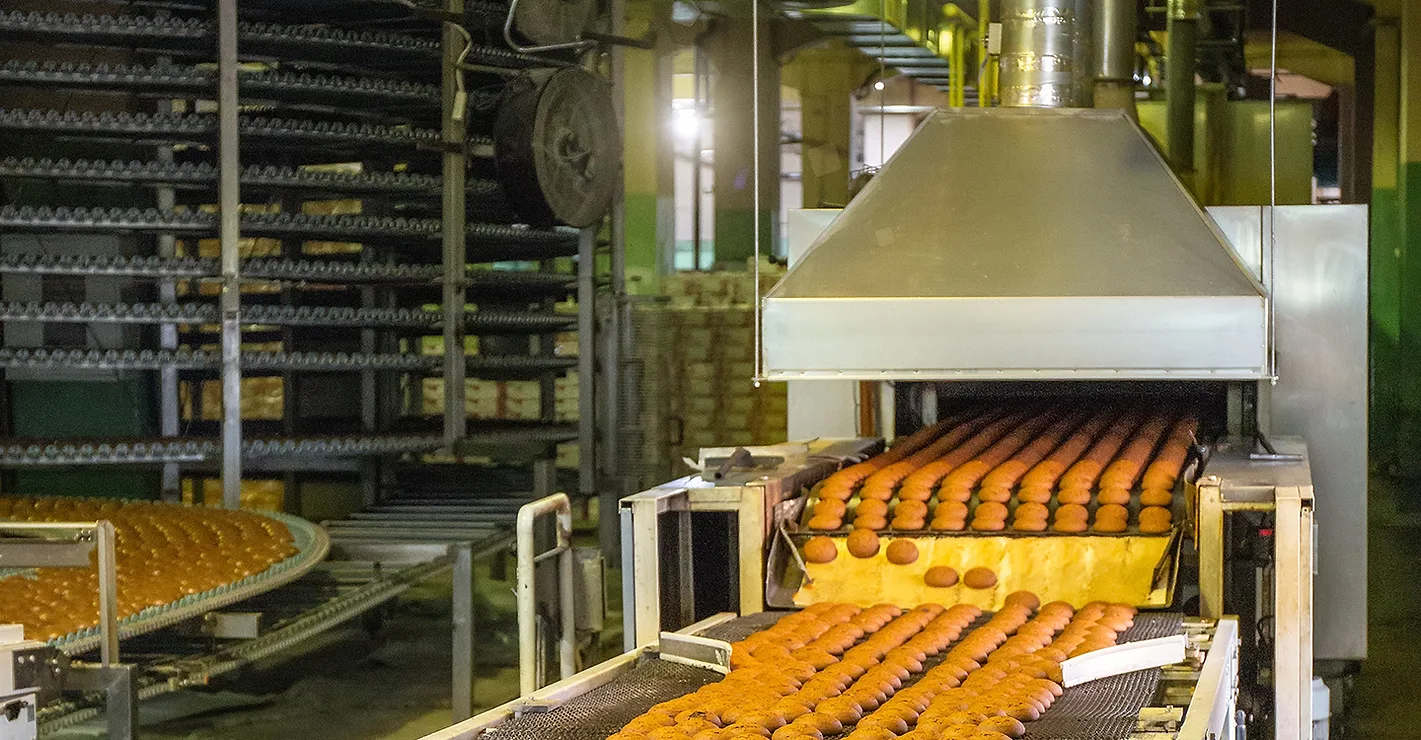
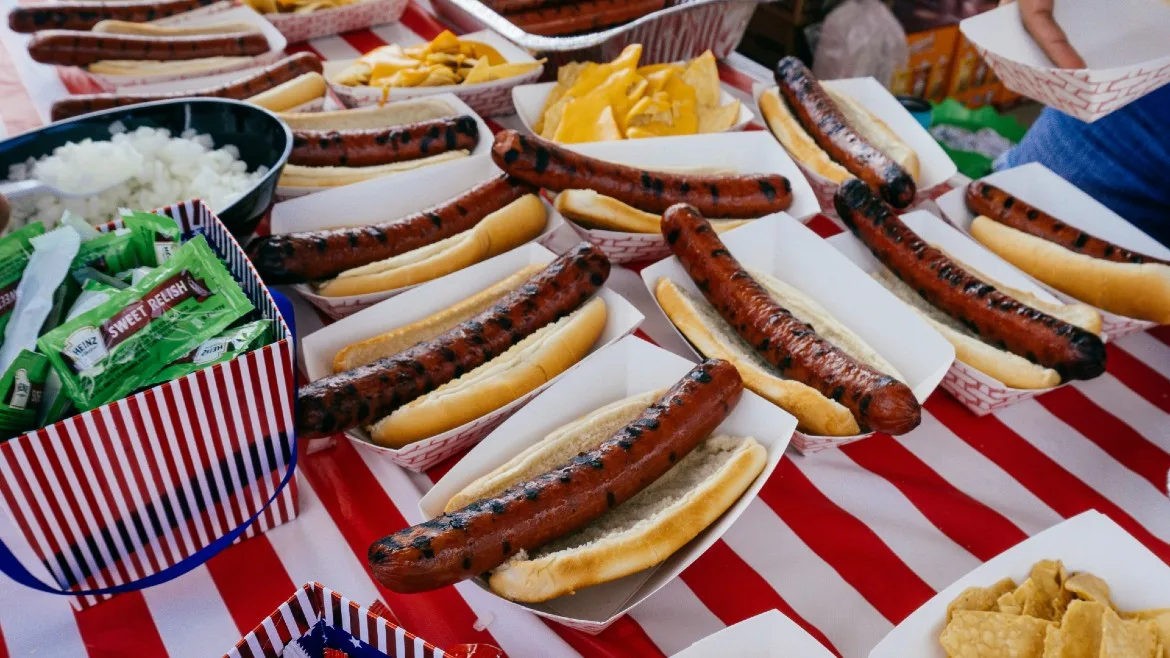
Consider the immense volume of baked goods, buns and stadium snacks required to feed millions of fans concurrently. On the high-speed bakery line, meeting this volume requires eliminating microstops. Traditional spliced belts frequently suffer from edge fraying, tracking issues or dough-sticking at the scraper blade, forcing maintenance teams into reactive, unscheduled sanitation shutdowns.
To protect the line from these bottlenecks, forward-thinking bakery processors rely on engineered, application-specific solutions.
High-Speed Line Agility: Redefining Dry-Running Performance
Maximizing throughput on the processing floor is only half the battle. The true test of a manufacturer's agility lies in the exact moment packaged items interface with high-speed accumulation, packaging and logistics lines. When lines run at maximum capacity, traditional conveyor chain materials wear down rapidly under high stress, causing bottle or container instability, product damage and high upkeep costs.
The Infrastructure Supporting the Spectacle
Great sporting moments are made on the field, but they are sustained by the invisible infrastructure working tirelessly in the background. Because these global events – and the holiday rushes right behind them – depend on a flawless supply of food and beverage. To seize these opportunities, manufacturers must continue to push the boundaries of what automated, hygienic and efficient processing lines can achieve.
Ensuring that millions of fans are fed safely and efficiently isn’t a matter of luck, but a matter of engineering excellence. By focusing on robust automation, seamless line integration and specialized belting systems, manufacturers ensure that they can maximize existing capacity, reduce maintenance overhead and match the speed of their competitors.
Looking for a reprint of this article?
From high-res PDFs to custom plaques, order your copy today!