Case Study
How Coconut Cult Keeps Culture Alive through Automation
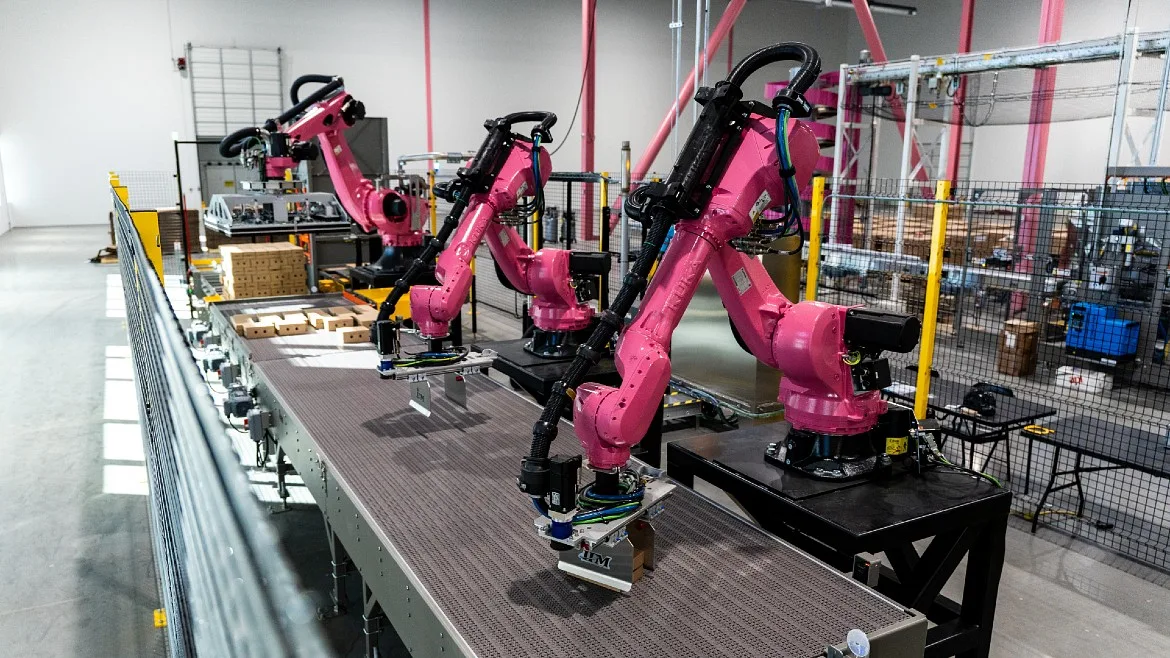
Coconut Cult tapped Integrated Packaging Machinery to deliver KUKA Robotics equipment that helped the company expand capacity.
When Coconut Cult co-founder Noah Simon-Waddell began struggling with severe inflammatory gut issues, conventional treatments failed him. He cycled through medication after medication, a collapsed lung and bouts with depression before finding the right solution.
“Noah got really, really sick,” says Justin Oleesky, Coconut Cult’s chief operating officer. “Ultimately, he did a deep dive into gut health and concluded that food is medicine.”
Like many people, Simon-Waddell grew up listening to grown-ups tell him that yogurt was good for a stomachache. As a kid, he didn’t know that the living bacteria in yogurt led to better digestive health. Armed with what he learned as an adult, he realized that good bacteria had a name: “probiotics,” and he went looking for it. Yet the products available in the dairy aisle of his local supermarkets weren't delivering the results he needed to feel better. Determined to find an alternative that worked, he began experimenting in his mom’s kitchen in California to create a highly fermented probiotic coconut yogurt.
Simon-Waddell found that his homemade coconut yogurt — packed with lots of probiotics — improved his health. Encouraged by family and friends, he began selling the product at local farmers’ markets so others could enjoy the same health benefits. At the markets, he gained a bit of a cult following and met company co-founders.
Inspired by the yogurt’s food-as-medicine philosophy, the following grew. Today, Coconut Cult is a rapidly expanding yogurt brand. As demand accelerated, Coconut Cult faced a new challenge: how to keep the company culture intact while increasing production capacity.
“Our product is personal and so is our company,” Oleesky says. “I don’t want anyone to feel like they are just a number.”
To keep the culture and grow the company, Coconut Cult partnered with Integrated Packaging Machinery (IPM) to implement its first robotic automation system, featuring three custom KUKA robots at the company's manufacturing facility in Utah.
Scaling Without Sacrificing Culture
As Coconut Cult expanded from regional retailers into national distribution, the company remained committed to self-manufacturing rather than outsourcing, which allowed it to maintain control over product quality and the entire fermentation process.
At the same time, the company wanted to avoid creating an environment where growth came at the expense of its employees’ wellbeing.
"Coconut Cult is not a corporate company," Oleesky says. “We want people to walk by our office to stop in and fill us in on what they’re doing this weekend outside of work. That’s what being ‘cult’ is all about.
Before implementing automation on their floor, everyone at Coconut Cult felt demand rising. There were long hours of physically demanding work. Employees regularly handled repetitive material movement through capping jars, lifting heavy loads and packaging products.
"We wanted our employees to have a life where they weren't walking into their shift sore from the day before," Oleesky says. "Other equipment options helped in some ways, but sometimes they just made employees work harder. We needed a better solution."
Taking a Solution-First Approach
For Daniel Schimmel, account executive at IPM, Coconut Cult’s objective was clear.
“We had to take some stress off the workforce,” Schimmel says. “Justin wanted to be sure people could still play to their strengths as the company increased production.”
As a systems integrator, IPM evaluates technologies based on application requirements rather than allegiance to a specific equipment supplier.
"Justin came to us with a target production rate and a vision for how they wanted to operate," Schimmel says. "From there, we built the solution around the application. For Coconut Cult, the best fit was KUKA Robotics."
The evaluation led to the selection of three KUKA robots: two KR IONTEC robots and one KR QUANTEC robot integrated into the end-of-line packaging process. The KUKA robotic system automates layer formation and palletizing operations. Two robots utilize KUKA.ConveyorTech software to organize and build product layers, while a third robot equipped with KUKA.FlexPal technology performs full-layer palletizing.
Beyond detailed payload and reach calculations, IPM cited KUKA's software, safety functionality and previous deployment success as factors influencing the decision.
"Our control engineers’ input on KUKA technology was vital to confirming that it was the right fit for what Justin wanted to achieve for everyone at Coconut Cult," Schimmel says. "Their software is intuitive and most of all the safety tools give us complete confidence that we're taking care of the people who work alongside the robotic arms and cells."
Automate the Work, Elevate the Workforce
While automation projects are often evaluated primarily through productivity metrics, Coconut Cult viewed the investment through a broader lens. The company employs approximately 100 people at its Utah facility and wanted automation to support the passion and pride Coconut Cult puts into their work.
"If you're working here, it's because you're wanted here," Oleesky says.
The robotic system was added to eliminate repetitive, physically demanding tasks. It gives employees time and energy to focus on higher-value responsibilities, like superior quality and new flavor combinations.
"The automated line should take on the heavy lifts," Schimmel says. "The line should be the workhorse, not the employees."
More Capacity, Same Purpose
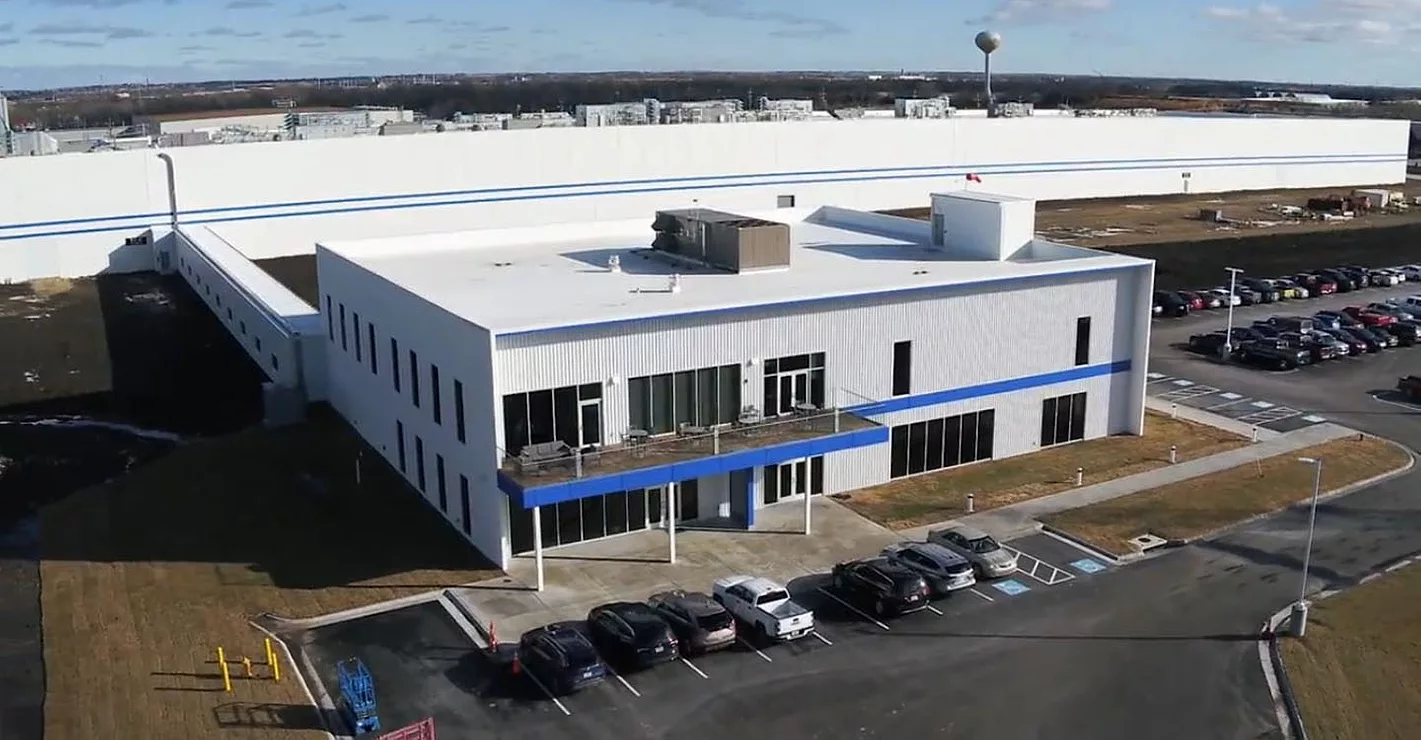
The robotic automation system is part of Coconut Cult's larger expansion into a new, 300,000-sq.-ft. manufacturing facility in Utah. With the new facility and automated packaging line, Coconut Cult expects to significantly expand its manufacturing capacity while maintaining product quality, operational flexibility and company culture.
The company produces core flavors available in 8- and 16-oz. glass jars, along with newer 4-oz. jars (launched in January 2026) across the U.S. Coconut Cult regularly introduces limited-edition offerings for its subscriber community. KUKA’s automated system provides the scalability necessary to support ongoing demand while creating room for future product innovation.
According to Oleesky, the new operation is designed to support approximately five times the company's current production requirements to position Coconut Cult for future retail expansion and new product introductions.
"Coconut Cult lovers living on the East Coast to the Midwest to the Southeast and wherever else in the U.S. will be able to find our product in more places, and we get the flexibility to continue creating new products and new experiences," Oleesky says.
Looking for a reprint of this article?
From high-res PDFs to custom plaques, order your copy today!