3D printing, while serving roles in package design, tools and spare parts, is finding applications for creating unique foods that aren’t practical for conventional methods.
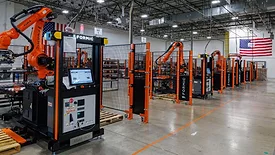
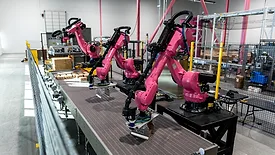
Additive manufacturing can describe two technologies in food production — the more commonly known is 3D printing, which has been borrowed from 3D tool and parts making, but robotic work cells can also fit the definition of additive manufacturing.
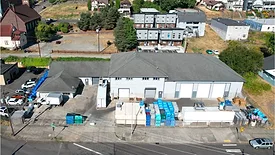
The plant more than doubles Shinkei’s total footprint and represents a major milestone in the company’s mission to deliver fish under the Seremoni Grade brand.
Rethinking the operation could unlock more productivity, and the key to successful automated reverse packaging hinges on robot 3D vision system technology.
Collaborative robots — or cobots — are gaining traction not just as an entry point to automation but as a strategic lever for resilience and growth. And among them, pre-engineered cobot systems are emerging as a fast path to impact.
IFS, provider of industrial AI software, and Boston Dynamics, a leader in mobile robotics, are collaborating to transform how asset-intensive organizations manage and optimize their field operations.
This collaboration combines Chang Robotics’ expertise in deploying large-scale, complex robotic systems with OTTO’s AMR technology to deliver integrated solutions that enhance productivity, flexibility and efficiency.
The AI-powered robot uses advanced sensors and real-time data collection to detect equipment and safety risks, helping keep operations running smoothly while protecting the people behind them.
Rob Dongoski, global lead, agriculture and food, for management consulting firm Kearney, discusses major drivers for change in the U.S. food system, including generational purchasing patterns, growing interest in health and sustainability, and implementing technology to harness consumer insights and improve efficiency.