Food Engineering logo
search
cart
facebook twitter linkedin youtube
  • Sign In
  • Create Account
  • Sign Out
  • My Account
Food Engineering logo
  • NEWS
    • Latest Headlines
    • Manufacturing News
    • People & Industry News
    • Plant Openings
    • Recalls
    • Regulatory Watch
    • Supplier News
  • PRODUCTS
    • New Plant Products
    • New Retail Products
  • TOPICS
    • Alternative Protein
    • Automation
    • Cannabis
    • Cleaning | Sanitation
    • Cross-Functional Food Innovation
    • Fabulous Food Plants
    • Food Safety
    • Maintenance Strategies
    • OEE
    • Packaging
    • Sustainability
    • More
  • EXCLUSIVES
    • Plant Construction Survey
    • Plant of the Year
    • Sustainable Plant of the Year
    • State of Food Manufacturing
    • Top 100 Food & Beverage Companies
  • MEDIA
    • Podcasts
    • Videos
    • Webinars
    • White Papers
  • FOOD MASTER
  • EVENTS
    • Food Automation & Manufacturing Symposium and Expo
    • Industry Events
  • RESOURCES
    • Newsletter
    • Custom Content & Marketing Services
    • FE Store
    • Government Links
    • Industry Associations
    • Market Research
    • Sponsor Insights
    • Classified Ads
  • EMAGAZINE
    • eMagazine
    • Archive Issue
    • Advertise
  • SIGN UP!
Processing

Plant products

What you should know about good weighing practices for your plant

Tips for choosing a scale that provides consistent results and fits your process
By Kevin Hill
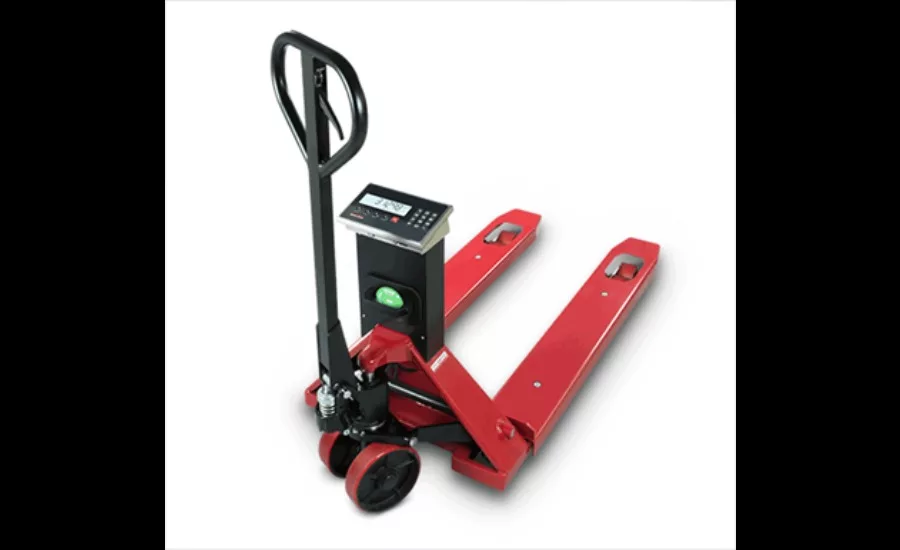
Forklift scale
Forklift scale
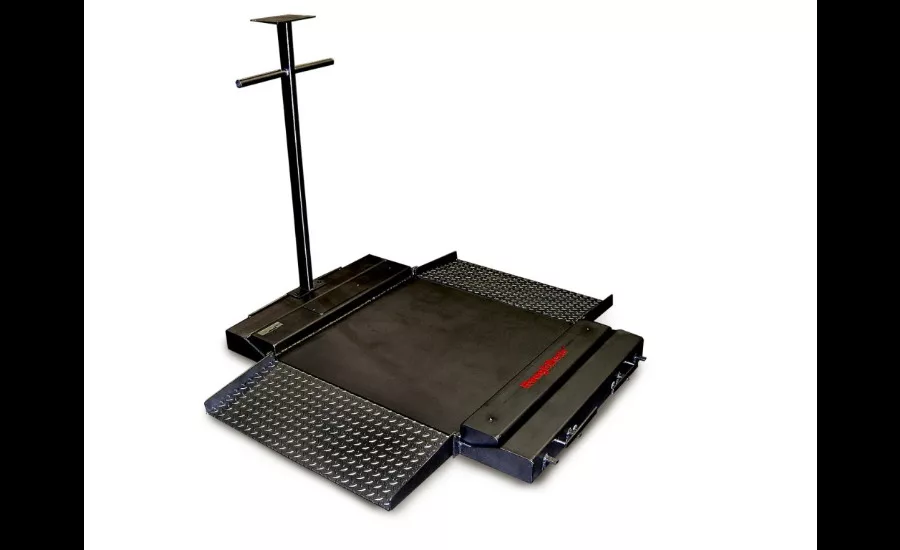
Floor scale
Floor scale/Photos courtesy of Rice Lake Weighing Systems
Forklift scale
Floor scale
March 11, 2019

Reliable weighing equipment is critical in the food industry. Accurate weighing helps achieve consistency and batch uniformity. Moreover, a reliable food weight machine helps in adhering to predefined process requirements.

Let’s look at some good weighing practices:

Weighing legal-for-trade

Legal-for-trade weighing is a legal requirement for business transactions where the goods are bought or sold by weight.

It ensures that the food scale can provide repeatable weighing, precise billing and accurate inventory records. It assures you of good customer service.

Keeping scales clean  

In any food industry, it is critical to have a hygienic environment. The food-weighing scales must be operated in sanitary conditions. You must comply with the best safety practices and industry standards.

Accumulated debris may pose a contamination risk and affect weighing accuracy. Follow the manufacturer’s instructions to clean and maintain the scales.

Using checkweighers

Overweight packages will lead to overweight shipments and costly giveaways. Underweight packages will lead to unhappy customers.

Fast and accurate checkweighers ensure quality control and provide visibility of weighing data. This data helps in maximizing profitability and performance.

Considering environmental factors

Understand the operating conditions that can affect the accuracy of the scales that weigh in grams. For example:

  • Frequent temperature changes can lead to cracks.
  • Exposure to excessive moisture or corrosive materials can cause pitting or rust.
  • Draft, vibrations and other environmental factors can affect the accuracy of industrial weighing scales.

Calibrating and maintain regularly

A digital food scale must be calibrated at regular intervals. This helps in detecting and monitoring inaccuracies. Moreover, it ensures that traceability is maintained.

Set up a regular maintenance schedule and inspect the scales for damage. This ensures that you identify small issues and address them before they turn major.

Different types of scales used in the food industry

Floor scales

  • accurately weigh goods while sorting inventory or when the goods are moving in or out
  • minimize the probability of revenue loss due to incorrect weighing

Forklift scales

  • used to lift and weigh the bundled materials on the forklift truck, enabling transport directly to the storage upon delivery

Conveyor belt scales

  • best to use when speed and accuracy are important for profitability
  • increase the throughput and minimize the lifting as the scales are installed on the conveyor belt itself

Batch and recipe scales

  • capable of controlling the manual and automatic ingredient addition
  • prompt the operator with batch number traceability, visual display and output to a printer, making product selection easy.

Counting scales

  • used for inventory control and to count a high volume of identical parts accurately
  • offer an accuracy topping 99 percent and minimize human error significantly

Choose a scale based on your requirements and processes.

KEYWORDS: weighing

Share This Story

Looking for a reprint of this article?
From high-res PDFs to custom plaques, order your copy today!

Kevin hill 200x200

Kevin Hill heads the marketing efforts at Quality Scales Unlimited in Byron, Calif. For more information, visit www.scalesu.com.

Recommended Content

JOIN TODAY
to unlock your recommendations.

Already have an account? Sign In

  • FE Top100 Food & Beverage Companies hero, gold lettering with black background.

    FOOD ENGINEERING’s 2026 Top 100 Food and Beverage Companies

    See where the world’s leading food and beverage companies...
    Manufacturing News
    By: Alyse Thompson-Richards
  • CJ Schwan’s Salina facility.

    Recipe for Growth: How CJ Schwan’s Powers Pizza Production with People and Automation

    Blending advanced automation with purposeful design, this...
    Cross-Functional Food Innovation
    By: Alyse Thompson-Richards
  • Paris Baguette rendering

    FOOD ENGINEERING’s 49th Annual Plant Construction Survey

    Food and beverage manufacturers continue to invest in...
    Plant Openings
    By: Alyse Thompson-Richards
Manage My Account
  • eMagazine
  • Newsletter
  • Online Registration
  • Manage My Preferences
  • Customer Service

More Videos

Sponsored Content

Sponsored Content is a special paid section where industry companies provide high quality, objective, non-commercial content around topics of interest to the Food Engineering audience. All Sponsored Content is supplied by the advertising company and any opinions expressed in this article are those of the author and not necessarily reflect the views of Food Engineering or its parent company, BNP Media. Interested in participating in our Sponsored Content section? Contact your local rep!

close
  • Close-up of a group of freshly baked stuffed empanadas being transferred onto a conveyor belt.
    Sponsored byDorner

    Smarter Line Design Improves Food Manufacturing Efficiency and Throughput

  • An old and tattered manual titled 'Revised 5/20/1971' on a desk along with a cellphone, sunglasses, Apple iWatch, laptop and keyboard, and a water bottle.
    Sponsored byEnSight Solutions

    Redefining Quality: Has the Industry Lost Sight of What Actually Matters?

  • Worker in protective food-processing attire uses a tablet beside stainless-steel conveyor equipment in a modern food manufacturing facility.
    Sponsored bySafetyChain

    Your Biggest Losses Are Hiding in Data You Already Have

Popular Stories

FE Top100 Food & Beverage Companies hero, gold lettering with black background.

FOOD ENGINEERING’s 2026 Top 100 Food and Beverage Companies

AB Baldwinsville Investment

Anheuser-Busch Invests $13M in New York Brewery

Granola

Roskam Foods to Close California Plant as Part of Cereal Production Consolidation

Graphic with text on the left: ‘Food Engineering 2026 Top 100 - Explore leaders.’ Right side: images of juice bottles and chicken on a conveyor. Bottom text 'View Rankings'.


Promo for the 2027 Plant of the Year Award

Events

September 23, 2026

An In-Depth Look at 2026's Top 100 Food and Beverage Companies

Join Lynn Dornblaser, Client Advisor at Mintel, and Alyse Thompson-Richards, Editor-in-Chief of FOOD ENGINEERING, as they break down the 2026 Top 100 Food and Beverage Companies and discuss the factors affecting this year’s rankings.

September 29, 2026

Food Safety Execution and Your Bottom Line

Explore food safety strategies that strengthen sanitation, risk management, operational efficiency, and compliance across foodservice and facility environments.

View All Submit An Event

Products

Recent Advances in Ready-to-Eat Food Technology

Recent Advances in Ready-to-Eat Food Technology

See More Products

September 23 FE Editorial Webinar


CHECK OUT OUR NEW ESSENTIAL TOPICS

Alternative ProteinAutomationCleaning/SanitationFabulous Food Plants

Food SafetyMaintenance StrategiesOEE

PackagingSustainability

Related Articles

  • What you need to know about the Fourth Industrial Revolution

    See More
  • What you need to know about Prop 37 now

    See More
  • Selecting the best temperature measurement and control systems for your plant

    See More

Related Products

See More Products
  • The-Food-Business-Toolkit-Cover.jpg

    The Food Business Toolkit for Entrepreneurs (ebook)

  • statical.jpg

    Statistical Process Control for the Food Industry: A Guide for Practitioners and Managers

See More Products
×

Elevate your expertise in food engineering with unparalleled insights and connections.

Get the latest industry updates tailored your way.

JOIN TODAY!
  • RESOURCES
    • Advertise
    • Contact Us
    • Food Master
    • Store
    • Want More
  • SIGN UP TODAY
    • Create Account
    • eMagazine
    • Newsletter
    • Customer Service
    • Manage Preferences
  • SERVICES
    • Marketing Services
    • Reprints
    • Market Research
    • List Rental
    • Survey/Respondent Access
  • STAY CONNECTED
    • LinkedIn
    • Facebook
    • YouTube
    • X (Twitter)
  • PRIVACY
    • PRIVACY POLICY
    • TERMS & CONDITIONS
    • DO NOT SELL MY PERSONAL INFORMATION
    • PRIVACY REQUEST
    • ACCESSIBILITY

Copyright ©2026. All Rights Reserved BNP Media, Inc. and BNP Media II, LLC.

Design, CMS, Hosting & Web Development :: ePublishing