Food Engineering logo
search
cart
facebook twitter linkedin youtube
  • Sign In
  • Create Account
  • Sign Out
  • My Account
Food Engineering logo
  • NEWS
    • Latest Headlines
    • Manufacturing News
    • People & Industry News
    • Plant Openings
    • Recalls
    • Regulatory Watch
    • Supplier News
  • PRODUCTS
    • New Plant Products
    • New Retail Products
  • TOPICS
    • Alternative Protein
    • Automation
    • Cannabis
    • Cleaning | Sanitation
    • Fabulous Food Plants
    • Food Safety
    • Maintenance Strategies
    • OEE
    • Packaging
    • Sustainability
    • More
  • EXCLUSIVES
    • Plant Construction Survey
    • Plant of the Year
    • Sustainable Plant of the Year
    • State of Food Manufacturing
    • Top 100 Food & Beverage Companies
  • MEDIA
    • Podcasts
    • Videos
    • Webinars
    • White Papers
  • FOOD MASTER
  • EVENTS
    • Food Automation & Manufacturing Symposium and Expo
    • Industry Events
  • RESOURCES
    • eNewsletter
    • Custom Content & Marketing Services
    • FE Store
    • Government Links
    • Industry Associations
    • Market Research
    • Classified Ads
  • EMAGAZINE
    • eMagazine
    • Archive Issue
    • Advertise
  • SIGN UP!
Food SafetyPackagingLatest headlines

Packaging

Mitigating the impact of package leaks

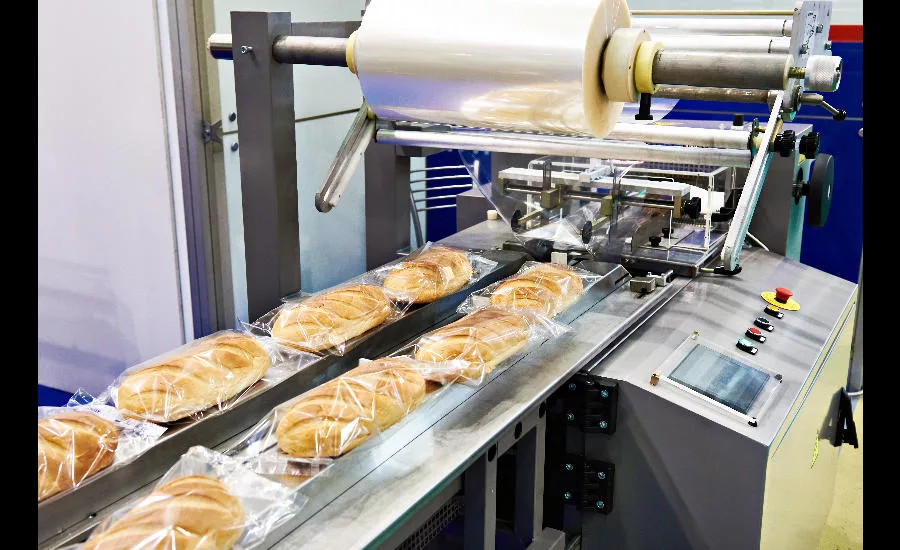
Package leaks can cut shelf life, create food safety hazards
By Bill Burnard
Inficon
August 5, 2019

The food industry is undergoing rapid change, much of which is driven by high consumer and retailer expectations when it comes to food freshness, quality, safety and expedience. That’s a tall order for brands to fill while also focusing on innovation and adapting packaging to align with changing retail trends such as e-commerce. 

No matter which channel consumers choose to buy their food products from – a brick-and-mortar store or online – a key component of safety and quality is shelf life. And while the food industry has long been developing innovative ways to preserve foods for extended periods, ranging from the use of protective gases to antimicrobial packaging materials, many companies underestimate the importance of testing their packages for leaks to deliver on these promises to consumers.

Threats to Consider

Package leaks open the door to a variety of elements that can have a negative impact on food safety and quality. For example, bacteria, funguses and yeasts are often responsible for premature product spoilage. Large pores in food packages allow these microscopic bacteria to penetrate and multiply. This causes them to decompose organic matter and produce pathogenic substances, potentially endangering the health of consumers.

Many foods are also subject to oxidation, especially unsaturated fatty acids, such as oleic acid. The oxidation of food can also damage amino acids, causing a breakdown in vitamins and ultimately a change in flavor and color. Some food producers use special protective gases, which are very toxic and have a low oxygen level. However, if the packaging has a leak, the concentration of a protective gas may change because gases in the air and the atmospheric oxygen are able to penetrate the package.

Lastly, moisture poses a high risk, especially for dry products such as chips and baked goods because it enables mold growth and accelerates the process of food spoilage. Coffee and other foods also run the risk of being affected by moisture, as flavors tend to evaporate more readily in humid climates.

Solutions for Safety

The good news is that leak detection technology can provide a much-needed solution to these critical issues. Several leak testing methodologies exist including water bath testing, gas-based testing and pressure increase method testing in a foil chamber. Food producers should examine their requirements and needs in detail before choosing a leak testing method.

Key factors to consider include:

  • What is the acceptable leak rate for a product? This rate varies vastly between perishable products such as dairy-based cheeses and foods such as dried fruits and vegetables. Leak detection equipment suppliers should be able to provide guidance and counsel in this area.
  • Are the existing testing equipment, process and methods repeatable and reproducible from operator to operator, shift to shift and plant to plant?
  • Is a non-destructive method appropriate? Whether it is a gross leak or a fine leak that it is undetectable to the naked eye or via the water bath method, non-destructive approaches eliminate the need for tracer gas and eliminate the risk of causing damage to the package.
  • Is an inline or offline application best suited for the manufacturing environment? A technology that is effective both inline and offline affords manufacturers the utmost flexibility in their operations.

With so many avenues for people to access their goods today and endless options at consumers’ fingertips, it’s critical for brands to ensure their packages are free from product-compromising errors. Package leaks should not be overlooked, as they can lead to food spoilage due to the infiltration of unwanted elements, and ultimately significantly impact a brand’s image and bottom line.

Bill Burnard is Package Integrity Sales & Business Development Manager, INFICON.

KEYWORDS: food packaging technology Shelf Life

Share This Story

Looking for a reprint of this article?
From high-res PDFs to custom plaques, order your copy today!
Recommended Content

JOIN TODAY
to unlock your recommendations.

Already have an account? Sign In

  • 2025 Top 100 Food and Beverage Companies

    FOOD ENGINEERING’s 2025 Top 100 Food and Beverage Companies

    While sales were largely down under dynamic economic and...
    Top 100 Food & Beverage Companies
    By: Alyse Thompson-Richards
  • Bottling machine

    How Optical and X-Ray Inspection Supports Bottling Safety and Quality

    By transitioning from legacy single-technology systems to...
    Food Safety
    By: Dan McKee
  • Bread baking in oven

    The State of Food Manufacturing in 2025

    Food and beverage manufacturers are investing in...
    State of Food Manufacturing
    By: Alyse Thompson-Richards
Manage My Account
  • eMagazine
  • eNewsletter
  • Online Registration
  • Manage My Preferences
  • Customer Service

More Videos

Popular Stories

Bread baking in oven

The State of Food Manufacturing in 2025

Brown Shell Eggs

Arkansas Processor Recalls 6M Eggs Over Salmonella Risk

Lays global packaging

PepsiCo Redesigns Lay’s Brand

State of Maufacturing 2025

Events

June 17, 2025

Refrigerated & Frozen Foods’ State of the Cold Chain

On Demand Kelley Rodriguez, Editor in Chief of Refrigerated & Frozen Foods, will be joined in this 60-minute webinar by industry experts to help unpack the latest research.

July 23, 2025

Decarbonizing Process Heat: What You Should Know and Next Steps

On Demand Driven by climate goals, business risk, client interest, and resilience considerations, food and beverage companies are increasingly turning their attention to decarbonizing their production processes.

View All Submit An Event

Products

Recent Advances in Ready-to-Eat Food Technology

Recent Advances in Ready-to-Eat Food Technology

See More Products

CHECK OUT OUR NEW ESSENTIAL TOPICS

Alternative ProteinAutomationCleaning/SanitationFabulous Food Plants

Food SafetyMaintenance StrategiesOEE

PackagingSustainability

Related Articles

  • Rosemount CT4215 Packaging Leak Detection System

    Detect package and container leaks with QCL technology

    See More
  • Corrugated packaging on a conveyor being taped shut

    How Packaging Solutions Impact the Profitability and Reputation of Grocery Delivery and Meal Kit Businesses in a Fast-Growing Industry

    See More
  • Peanut Corp. of America

    The impact of Peanut Corporation of America's criminal convictions

    See More

Events

View AllSubmit An Event
  • April 25, 2013

    Food Plant of the Future: Global Food Safety Impact on Facilities

    On-Demand: SQF 2000, FSMA, ISO 22000/PAS220 and other standards continue to gain traction in an attempt to create safer foods and beverages. 
  • March 2, 2022

    The Right Way to Lightweight your Beverage Package

    Converting to a lightweight neck and closure can help you reduce resin usage, save on production costs, and reach your sustainability goals. 
View AllSubmit An Event
×

Elevate your expertise in food engineering with unparalleled insights and connections.

Get the latest industry updates tailored your way.

JOIN TODAY!
  • RESOURCES
    • Advertise
    • Contact Us
    • Food Master
    • Store
    • Want More
  • SIGN UP TODAY
    • Create Account
    • eMagazine
    • eNewsletter
    • Customer Service
    • Manage Preferences
  • SERVICES
    • Marketing Services
    • Reprints
    • Market Research
    • List Rental
    • Survey/Respondent Access
  • STAY CONNECTED
    • LinkedIn
    • Facebook
    • YouTube
    • X (Twitter)
  • PRIVACY
    • PRIVACY POLICY
    • TERMS & CONDITIONS
    • DO NOT SELL MY PERSONAL INFORMATION
    • PRIVACY REQUEST
    • ACCESSIBILITY

Copyright ©2025. All Rights Reserved BNP Media.

Design, CMS, Hosting & Web Development :: ePublishing