From major acquisitions to economic and policy changes, the food industry has had an eventful year. EIC Alyse Thompson-Richards takes a moment to reflect.
From major acquisitions to economic and policy changes, the food industry has had an eventful year. EIC Alyse Thompson-Richards takes a moment to reflect.
Walmart says the change, which includes its U.S. food private brands such as Great Value, Marketside, Freshness Guaranteed and bettergoods, is in line with evolving customer preferences.
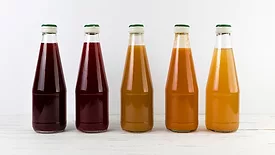
How natural pigment is concentrated can affect taste, shelf life and efficiency of use, but the latest technological advances in heat technology offer more options than ever before.
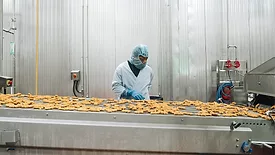
Ninety-nine percent of the company’s daily consumption products — including its core categories of bread, buns and rolls, tortillas, bagels and English muffins — are already free from artificial flavors and colorants.
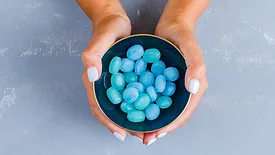
Gardenia blue is the fourth color derived from natural sources approved by the FDA for use in foods as part of its aim to phase out the use of petroleum-based dyes.
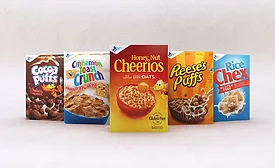
This change impacts only a small portion of General Mills’ portfolio, as nearly all its U.S. and K-12 school offerings today are made without certified colors.
The company says 90% of its products don’t contain FD&C colors, but for those that do, they will work to remove or replace FD&C colors by the end of 2027.