Accurate and Precise Filling Saves on Giveaways
Today’s filling machines can achieve extremely accurate and precise fills, and real-time monitoring and maintenance prevent wasteful overfills, underfills, and sporadic and inaccurate fills.
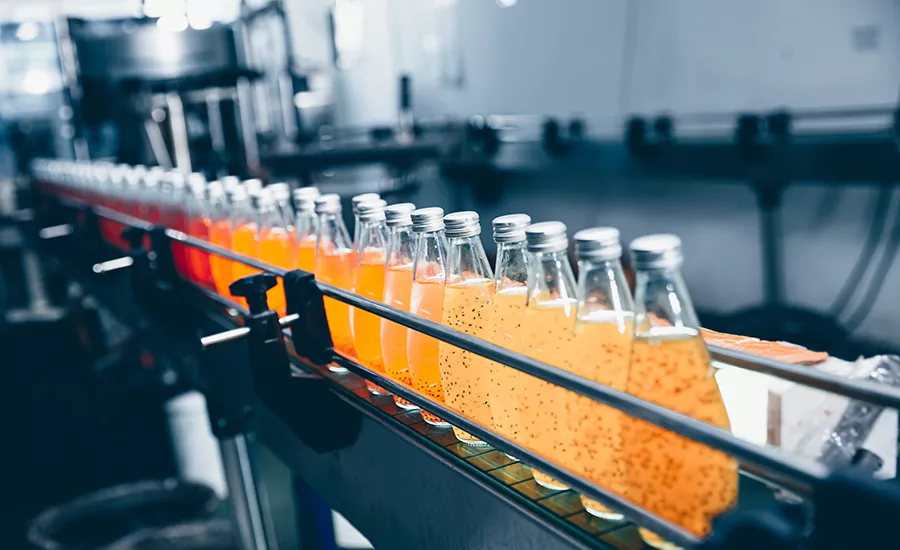
Whether bottle/carton filling liquids or pouch filling of powder, slurry products and sauces, overfilling gives away product, and in some cases, may cause problems with closing/sealing the container. This article looks at sources for filling errors — especially overfilling — and the steps processors can employ to reduce overfilling. It also looks at how more recent machines make it easier for operators to troubleshoot filling problems.
The FDA states in its Food Labeling Guide: “The net quantity of contents (net quantity statement) is the statement on the label which provides the amount of food in the container or package. It must be expressed in weight, measure or numeric count. Generally, if the food is solid, semisolid or viscous, it should be expressed in terms of weight. If the food is a liquid, it should be expressed in fluid measure (e.g., fl. oz). 21 CFR 101.105(a)(b)(c).”
EXPLORE MORE



So, if a processor promises 16 fl. oz. of orange juice on the label, then the actual fill volume must be at least 16 fl. oz. Underfilling is simply not an option; it’s against the law. Therefore, most food and beverage companies figure it’s better to err on the plus side than the minus side, so they set their filling equipment on the plus side to compensate for errors in measurement or spillage. Yet too much of a good thing winds up being not so good — for several reasons.
“Overfilling containers in production can result in increased product waste and giveaway, but increased line downtime and compromised food safety are also serious consequences,” says Jim Toman, MES engineer at Grantek, a Control System Integrators Association (CSIA) certified member. For example, if bottles are overfilled, caps may not seal properly, resulting in spoilage during storage or transit, and even where spoilage doesn’t occur immediately, reduced shelf life can be a factor. If cartons or pouches are overfilled, the extra contents may distort the shape of the containers, making them difficult to pack into shipping cartons, which can result in jams and lost production time, plus culminating in missed schedule attainment. Cross contamination from spilled contents is also a risk, especially if multiple products are packed together.
“Product residue in the sealing area can prevent proper sealing, leading to spoilage and potential health risks for consumers,” says Renee Benson, CRB packaging engineer. Even if the seal remains intact, trapped product or residue can foster mold or bacterial growth. Upon opening, this contamination may come into contact with the product, affecting its safety and quality.
In addition, visible signs of mold or bacteria can erode consumer trust and damage the brand’s reputation, Benson says.
Besides Intentional Settings, What Causes Overfilling?
If a processor intentionally sets a slight overfill — maybe it’s 1% for a 16-oz. (473 ml) bottle —what can cause overfilling above and beyond that setting? Keep in mind that even that 1% overfill can add up to significant loss over large production runs, especially if the filler errs on overfilling.
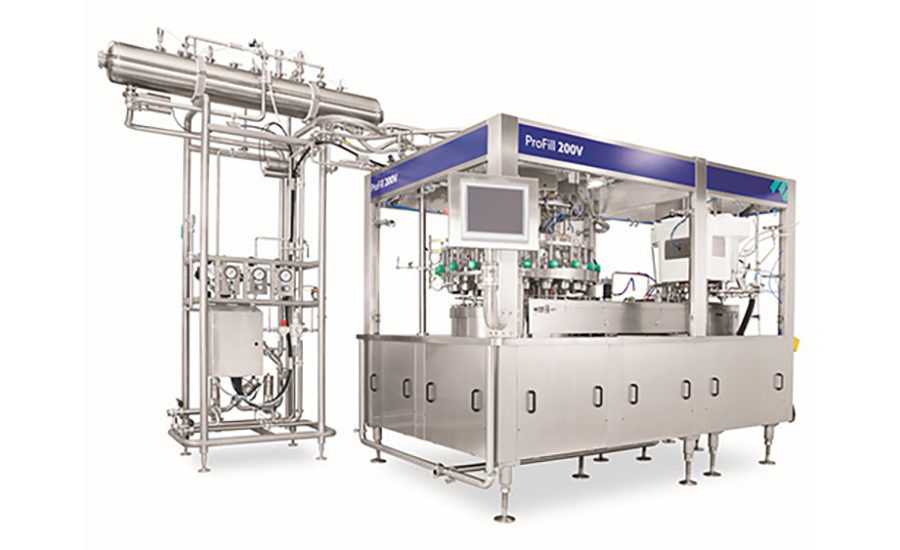
The most common cause of consistent overfilling tends to be sensor calibration issues, Toman says. This can happen for a variety of reasons, such as product consistency, recipe changes, worn nozzles or valves, etc. Modern filling machines typically have instrumentation that measures sensor data and reports it for logging. These machines can be integrated with manufacturing execution systems (MES) to track sensor drift versus tolerances and alarm or notify operators when the fillers trend too far out of specification, based on the results of real-time, online statistical process control software. When the filler is out of tolerance, the MES can schedule maintenance as needed. After maintenance is complete, the MES can validate that the filler is performing correctly again.
The root cause of consistent overfilling depends on the type of filling technology in use, which is why a strong preventive maintenance program is essential, says CRB’s Benson. For instance, net weight fillers may require load cell recalibration, piston fillers might need stroke setting adjustments, and gravity fillers could be affected by valve wear. Many of today’s filling systems and post-fill inspection tools provide data that can help identify trends or pinpoint failures. Operators should follow a clearly defined SOP to guide troubleshooting steps, starting with calibration verification, which is often the simplest and most effective way to identify assignable causes. While adjusting machine control software to reduce fill volume might seem like a quick fix, it’s important to first confirm that sensors and calibration are functioning properly to avoid masking underlying issues.
“A better approach,” Toman says, “is to let the system detect the issue and respond with appropriate maintenance. Doing so will result in less downtime, fewer overfilling events, and higher quality.”
Inconsistent Overfilling Calls for Maintenance
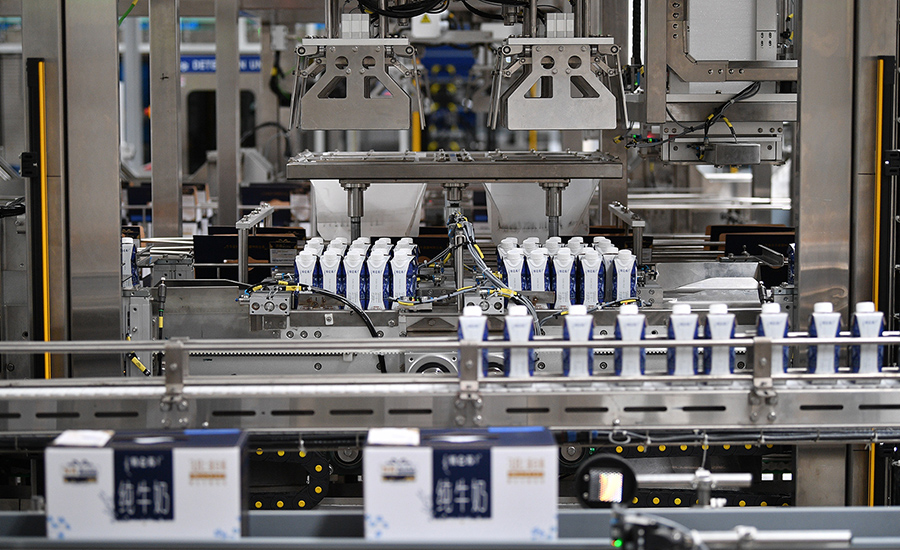
Inconsistent overfilling can stem from a variety of causes, which is why a strong preventive maintenance program is essential, Benson says. These inconsistencies may be linked to sensor calibration issues, mechanical wear or even components like solenoids sticking or parts needing lubrication. Having a clear plan of action to identify assignable causes and implement corrective measures is key to helping operators resolve these issues effectively and maintain consistent fill performance.
Sporadic or inconsistent overfilling can be due to worn parts such as nozzles or valves, lubrication loss, sticking solenoids, etc., Toman says. Typically, these will be mechanical issues rather than calibration or settings issues related to product changes. Often, these types of issues will present toward the latter end of a maintenance cycle. One of the challenges presented by high-volume filling equipment is ensuring that preventive maintenance is performed frequently enough that product quality issues and unplanned equipment downtime are avoided. Modern MES systems can track the performance of the equipment and produce alerts when performance drifts below a set target. Likewise, MES systems with appropriate instrumentation can capture in real time patterns related to sporadic overfilling, including fill quantity, valve and solenoid states and others. Artificial intelligence tools can be used to sift through these patterns, helping to identify root cause prior to maintenance — before problems become frequent or significant enough to cause unplanned downtime and quality issues.
Weight/Mass versus Volumetric Filling
On one hand, weight or mass-based filling is typically used when the product is sold by weight (regardless of whether it’s a low- or high-viscosity product) to ensure compliance with label claims, says CRB’s Benson. Volumetric filling, on the other hand, is preferred when products are sold by volume and is especially common for higher-viscosity products where precise volumetric dispensing is critical. The choice between the two depends on the product characteristics and how it’s marketed, rather than one method being universally more accurate than the other.
Weight/mass filling may make more sense in some applications than others, says Grantek’s Toman. In general, weight/mass filling can be more accurately controlled by newer digital systems employing a higher product mix because they are typically integrated to MES systems, which automatically adjust fill parameters — including speed and fill weight or mass — to ensure the correct amount is dispensed into each container. Sensor feedback and alarming let operators know when measured values trend out of specification. In high-speed, low product mix applications, aseptic packaging and in some beverage applications such as carbonated beverages, volumetric filling may still be preferred because it reduces complexity, allows clean-in-place and controls foam.
We are seeing an increasing number of companies transition from traditional to flowmeter-based filling methods, says Ola Wesstrom, Endress+Hauser USA senior industry manager, food & beverage. This can use a magnetic flowmeter for volumetric or a Coriolis flowmeter for mass metering. Both provide the benefits of improved fill accuracy, faster changeovers and automatic fill adjustments to reduce errors. Coriolis mass flow metering is also useful when density of the medium being measured varies. Endress+Hauser’s Dosimag electromagnetic flowmeter and Dosimass Coriolis flowmeter are often used for filling applications.
Role of End-of-Line Checkweighing
process rather than rely solely on inspection after the fact, Benson says. Checkweighers are better used to monitor trends and performance across filling heads, rather than making real-time adjustments based on individual data points. Random checks at the filler itself are important, as they can help identify issues early — before they reach the check weigher at the end of the line.
End of line check weighing is primarily a final-weight verification tool used to ensure that significantly underweight product is not shipped to the customer, says Grantek’s Toman. While it can also be used to detect overweight product, the detection occurs late in the production process, meaning a large quantity of out-of-tolerance product may already have been produced and packaged by the time it is detected, leading to waste and/or rework. Perhaps the most significant drawback of using EOL check weighing to provide online feedback is that it can only illuminate that a problem exists, but it cannot determine the source of the problem. In applications where the filling operation is somewhat simple, such as volumetric filling, this may be a reasonable approach. However, in applications where filling is more complex, or a high product mix exists, better solutions involving MES-enabled control recipes and sensor monitoring at the filling operation may significantly reduce the amount of nonconforming product reaching the checkweigher, resulting in lower scrap rates and higher productivity.
Connecting Shop Floor Systems with Filling Machines
Modern filling machines offer a range of data collection options that can be integrated with supervisory systems like MES, PdM, SPC, and ERP, Benson says. When specifying a new filler, it’s important to collaborate with plant operations, quality and IT teams to ensure the selected data outputs are compatible with existing infrastructure. This alignment allows for seamless integration and real-time visibility across systems, helping drive process control and continuous improvement.
Today’s filling machines present a variety of data points that may be used in shop floor control systems — including MES systems — such as fill weights, fill volumes, flow rates, valve/gate timing, pressure, temperature, cycle time, vibration levels, motor and pump performance, sensor health, product characteristics, fault codes, batch and lot data and ambient environmental conditions, among others, Toman says. All of these data points may be historized and collected by MES systems to enable applications such as:
- Recipe management and variance monitoring
- Performance management including OEE and downtime root cause analysis
- Mass balance, statistical process control (SPC) for filling and product weights/volumes
- Scrap/reject measurement
- Quality verification and many others
Today’s MES systems feed on visible, accurate data; the more types of contextualized data available, the more smart manufacturing applications may be enabled.
Other Key Issues and Applications
Consistent operating conditions and proper equipment maintenance are essential to minimizing overfilling issues, Benson says. Ensuring that both operators and maintenance staff are thoroughly trained on the filling equipment and its software helps build confidence and accuracy in the process. When teams understand how to identify and respond to fill inconsistencies, they’re better equipped to maintain product quality and reduce waste.
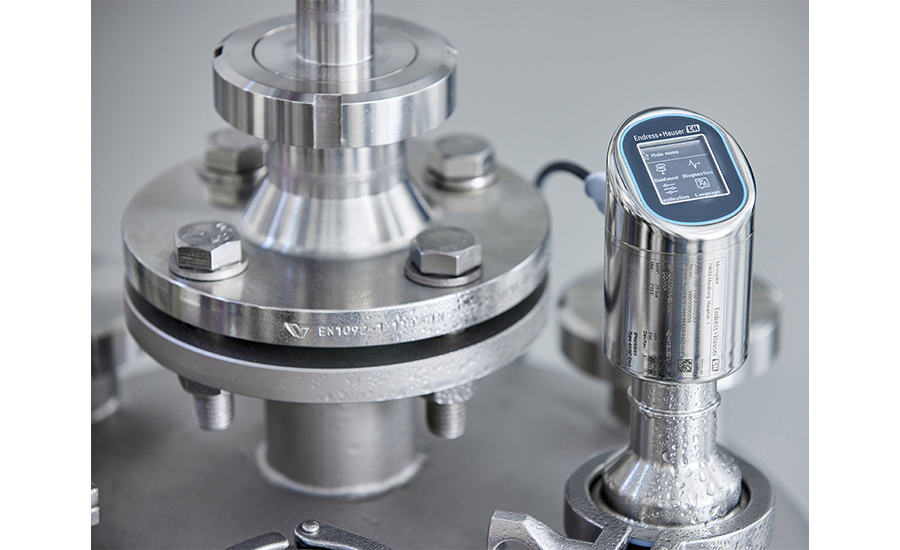
Measuring level in the filler bowl is important to ensure the correct fill level of gravimetric fillers, says Endress+Hauser’s Wesstrom. Capacitance level sensors were traditionally used for this, but free space radar keeps up better with fast level changes, offering better accuracy (1 mm) and non-contact measurement, which simplifies cleaning. An example is the new Endress+Hauser Micropilot FMR43 radar sensor.
In the realm of food and beverage production, multiple challenges may be present, including operator errors, equipment failures, incorrect packaging, incomplete records, etc., says Grantek’s Toman. Each of these may be addressed by MES systems. Operator errors may be detected by automatically collected, historized and contextualized data, leading to alarms or automated corrections that can prevent product loss. Additionally, real-time data may be used to identify operator training needs. Equipment failures may be detected by performance management applications, leading to condition-based preventive maintenance. Incorrect packaging may be detected by vision-based label verification systems, preventing undeclared allergen recalls. Finally, automated traceability of product manufacturing steps may allow rapid, narrow identification of problem sources, leading to dramatically reduced recalls, or even detecting problems quickly enough that compromised product never leaves the production facility.
Looking for a reprint of this article?
From high-res PDFs to custom plaques, order your copy today!